‘I don’t wish to be cold-hearted’: My elderly relative can no longer care for himself. Am I wrong to leave his care to the state?
Source Entity
Quentin Fottrell
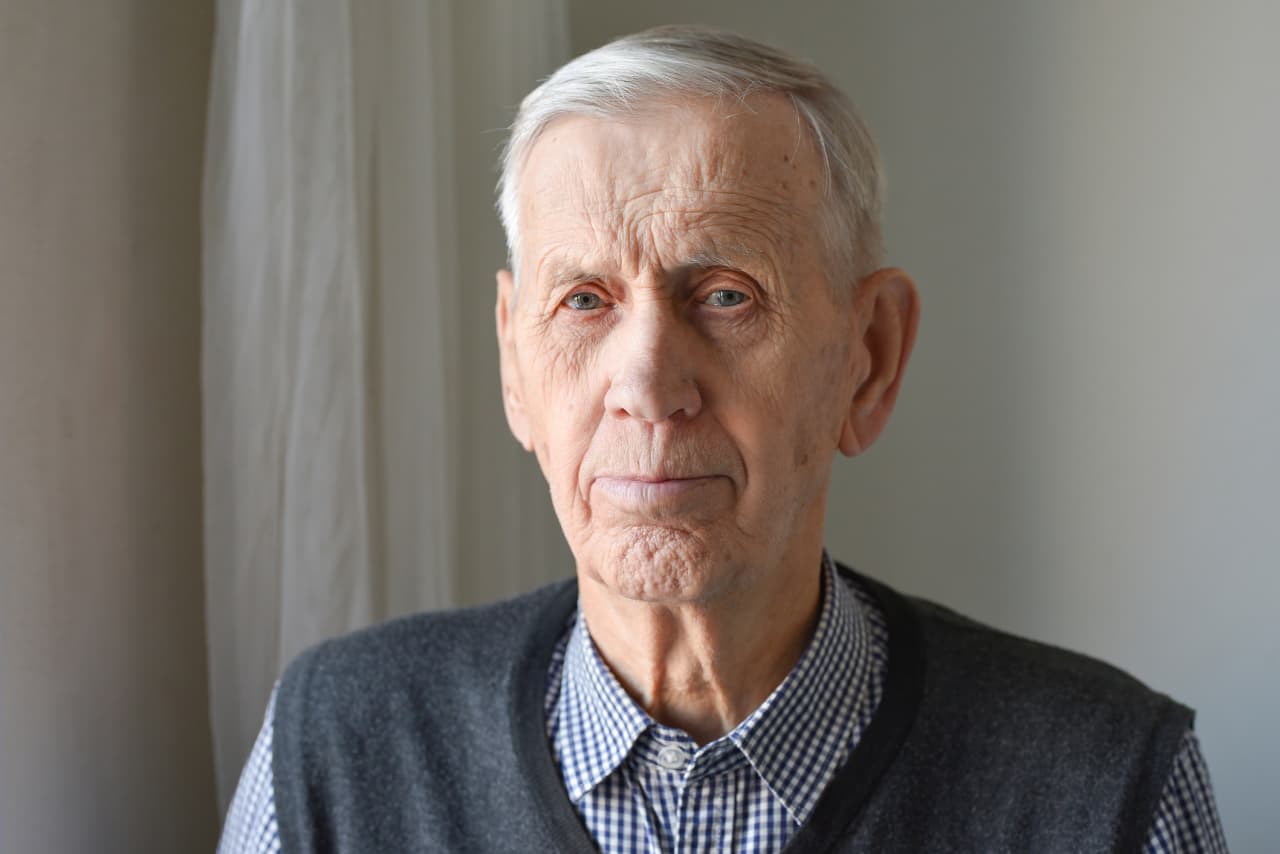
The dilemma of caring for an elderly relative who provided little support creates significant ethical and emotional conflict. This analysis explores the tension between familial obligation and personal boundaries when considering state-assisted care.
The Ethical Dilemma of Elder Care
The question of whether to transition an elderly relative into state-funded care is a profound moral challenge, particularly when the relationship has been historically strained. When an individual who has never been "generous or nurturing" becomes incapable of self-care, the caregiver is often left navigating a complex landscape of guilt and duty. The decision to relinquish care to the state is not merely a logistical shift; it is an emotional reckoning with the expectations of kinship.
The Weight of Reciprocity
Societal norms often dictate that family members should provide care for their elders, regardless of past interpersonal dynamics. However, these expectations are frequently rooted in the assumption of a reciprocal, loving relationship. When that foundation is absent, the caregiver faces an internal conflict: the desire to remain "kind-hearted" versus the reality of a relationship that was never fostered by the recipient. This creates a unique psychological burden where the caregiver must weigh their moral self-image against the tangible exhaustion of providing care for someone with whom they share no emotional bond.
Navigating State Support Systems
Utilizing state-provided care is a legitimate avenue for families who lack the resources, time, or emotional capacity to manage the complex needs of an elderly dependent. Many state systems are specifically designed to step in when familial support is unavailable or insufficient. Transitioning a relative to state care does not necessarily equate to abandonment; rather, it can be viewed as accessing professional support systems that are better equipped to manage the medical and social requirements of aging individuals, especially in cases where the personal relationship is damaged.
The Impact of Past Dynamics
It is essential to acknowledge that past behavior significantly influences present caregiving capacity. A relative who was not nurturing during their own period of strength may inadvertently create a hostile or draining environment for a caregiver. By acknowledging that this relative was never generous, the caregiver is identifying a valid boundary. Recognizing these past patterns is a critical step in preventing caregiver burnout, a common phenomenon that can have devastating health consequences for the person providing the support.
Future Trends in Elder Care
As global populations age, the reliance on both private and state-funded care will continue to rise. We are seeing a shift away from the traditional, solitary caregiver model toward a more institutionalized approach that emphasizes professional intervention. This trend suggests that society is increasingly recognizing that the burden of care should not fall solely on individuals who may not have the resources or the emotional history to sustain it. Moving forward, the stigma associated with 'leaving' a relative to the state will likely diminish as professional care becomes the standard rather than the exception.
Conclusion
Ultimately, the decision to seek state assistance for an elderly relative is a personal choice that requires balancing ethical responsibility with self-preservation. When the historical relationship has been devoid of care, the obligation to provide intensive, hands-on support is significantly mitigated. Prioritizing one's own well-being is not a sign of being 'cold-hearted,' but rather a realistic assessment of what one can provide within the constraints of a difficult history.
Verification Required?