‘My blood sugar is 234 mg/dL two hours after a meal; I am 40 years old. What should I do?’
Source Entity
The Indian Express
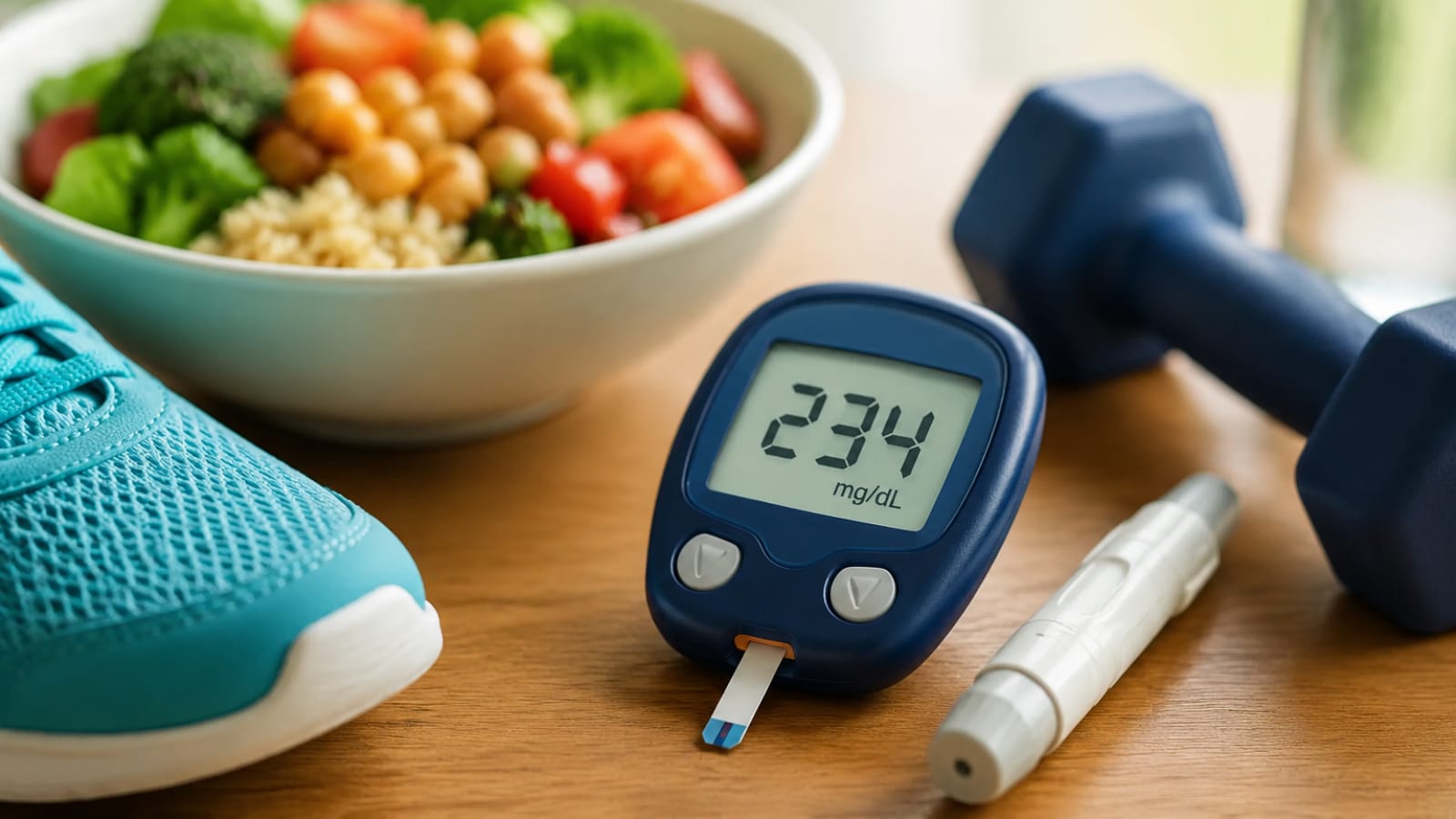
A 40-year-old individual reported a high post-meal blood sugar reading of 234 mg/dL despite regular post-meal exercise. Experts advise that such readings require professional medical evaluation to determine the underlying cause and appropriate management.
Understanding Post-Meal Hyperglycemia
For many individuals monitoring their metabolic health, a reading of 234 mg/dL two hours after a meal can be alarming, especially when the individual is only 40 years old and actively attempting to manage their glucose levels through lifestyle modifications like walking. While post-meal walking is a widely recommended practice to improve insulin sensitivity and glucose uptake, it is not a panacea for all metabolic dysfunctions. When blood sugar remains elevated despite these efforts, it serves as a critical indicator that the body's glycemic control mechanisms may be compromised.
The Limitations of Lifestyle Interventions
While physical activity, such as a 30-minute walk, is an excellent strategy for lowering post-prandial glucose, it cannot always compensate for significant insulin resistance or deficient insulin production. In a 40-year-old adult, persistent readings in this range suggest that the body is struggling to clear glucose effectively from the bloodstream. This discrepancy between the effort exerted and the biological outcome highlights the complexity of metabolic health, where diet and movement must be balanced against individual physiological factors.
Why Walking Might Not Be Enough
Several factors can influence why post-meal blood sugar remains high despite exercise. The intensity of the meal, the glycemic index of the food consumed, and the timing of the exercise relative to the glucose spike are all variables. Furthermore, underlying conditions such as undiagnosed Type 2 diabetes or pre-diabetes can manifest in such a way that standard lifestyle interventions are insufficient. The 234 mg/dL reading is significantly above the standard target range, signaling that the pancreas may be unable to produce enough insulin, or the cells are becoming increasingly resistant to it.
The Importance of Professional Consultation
It is imperative to address this specific reading through a structured medical lens rather than relying on anecdotal advice or self-management alone. A healthcare professional can perform necessary diagnostic tests, such as an A1C test or a fasting plasma glucose test, to determine the actual state of glucose regulation. Relying solely on a glucometer reading at home can lead to missed diagnoses, as a single high reading is a symptom that requires a comprehensive clinical picture to interpret accurately.
Broader Implications for Long-term Health
Ignoring sustained high blood sugar levels can lead to long-term complications affecting the cardiovascular system, kidneys, nerves, and vision. For a 40-year-old, early intervention is critical to preventing the progression of metabolic disease. By seeking medical advice now, the individual can transition from reactive monitoring to a proactive treatment plan, which may include medical nutrition therapy, medication if necessary, or refined exercise protocols tailored to their specific metabolic profile.
Conclusion and Next Steps
In summary, while the initiative to monitor one's own health and incorporate exercise is commendable, a reading of 234 mg/dL is a medical signal that requires professional attention. The path forward involves consulting with a primary care physician or an endocrinologist to investigate the root cause of these elevated levels. Establishing a formal diagnosis and a personalized care plan is the most effective way to ensure long-term health and mitigate the risks associated with chronic hyperglycemia.