Here’s how soon smoking starts damaging your lungs
Source Entity
The Indian Express
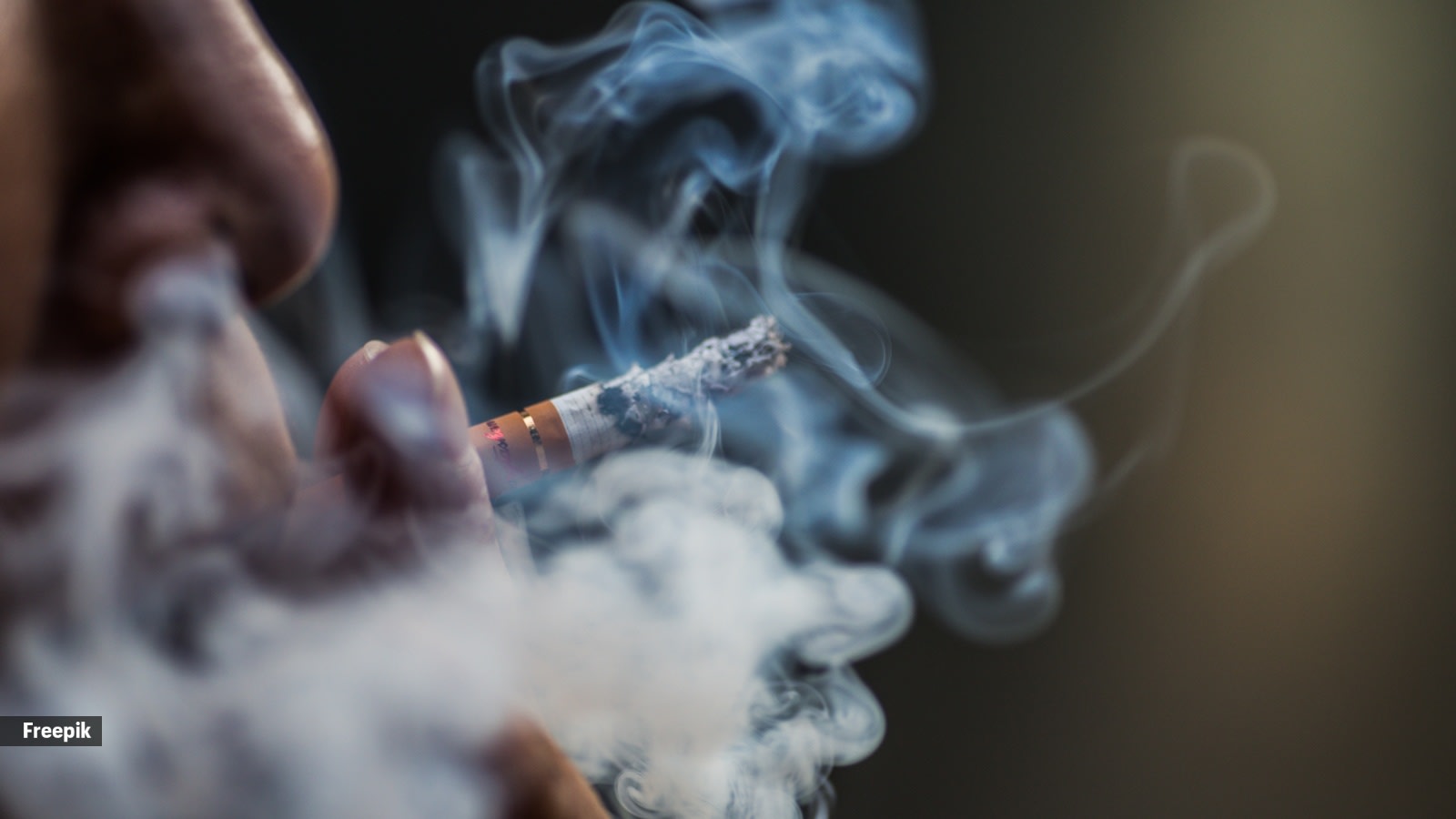
New medical insights reveal that smoking causes immediate physiological damage to the lungs and cardiovascular system from the very first exposure. Experts warn that waiting for long-term symptoms to appear is a dangerous misconception.
The Immediate Physiological Impact of Smoking
For decades, a pervasive myth has circulated among smokers that the deleterious effects of tobacco use are exclusively a 'long-term' consequence. Many individuals rationalize their habit by claiming they are only social smokers or have not yet reached the threshold of years required to trigger chronic illness. However, medical experts, including Dr. Samir Garde, Director of the Department of Pulmonology and Lung Transplant at Gleneagles Hospital, Parel, are challenging this narrative with clinical evidence that the body begins to suffer from the very first cigarette.
Debunking the 'Decade-Long' Myth
While it is accurate that severe conditions such as chronic obstructive pulmonary disease (COPD) and lung cancer are cumulative illnesses that often manifest after years of sustained exposure, focusing solely on these end-stage diseases obscures the immediate reality. The human body does not wait for a diagnostic threshold to be crossed before it begins to react to the toxic chemicals found in cigarette smoke. These substances initiate inflammatory responses and cellular stress immediately upon inhalation.
Cardiovascular and Pulmonary Vulnerability
Dr. Garde emphasizes that the damage extends beyond the lungs to the heart and blood vessels. Smoking induces acute changes in vascular function and pulmonary resistance almost instantly. By dismissing these early warning signs—or the lack thereof—as safety, smokers are ignoring the foundational damage being laid in their respiratory and circulatory systems. The assumption that one is 'safe' simply because they have not smoked for decades is a dangerous misconception that can lead to irreversible physiological shifts.
The Illusion of Symptomless Exposure
The absence of overt symptoms does not equate to the absence of physiological harm. Because the lungs and cardiovascular system possess a degree of functional reserve, the body can often mask early-stage damage until it becomes significant. This silent progression is exactly why the 'only a few years' justification is so detrimental to public health. By the time a smoker notices a decrease in lung capacity or cardiovascular efficiency, the underlying damage is already well-established.
Long-term Implications and Future Trends
Understanding that damage begins at the first exposure shifts the focus from 'damage prevention after years' to 'harm reduction through immediate cessation.' Public health strategies must continue to emphasize that the window for health protection is not defined by years of habit, but by every single instance of exposure. Moving forward, the medical community aims to educate the public on the immediate physiological costs of smoking, rather than relying solely on fear-based messaging regarding long-term terminal illness.
Conclusion
The consensus among experts is clear: the timeline for smoking-related damage is immediate rather than delayed. Whether one is a long-term smoker or a social one, the physiological cost is incurred from the moment of the first puff. Recognizing this reality is the first step toward effective health management and the urgent necessity of smoking cessation at any stage.