DU college develops navigation system to help persons with disabilities move independently
Source Entity
The Indian Express
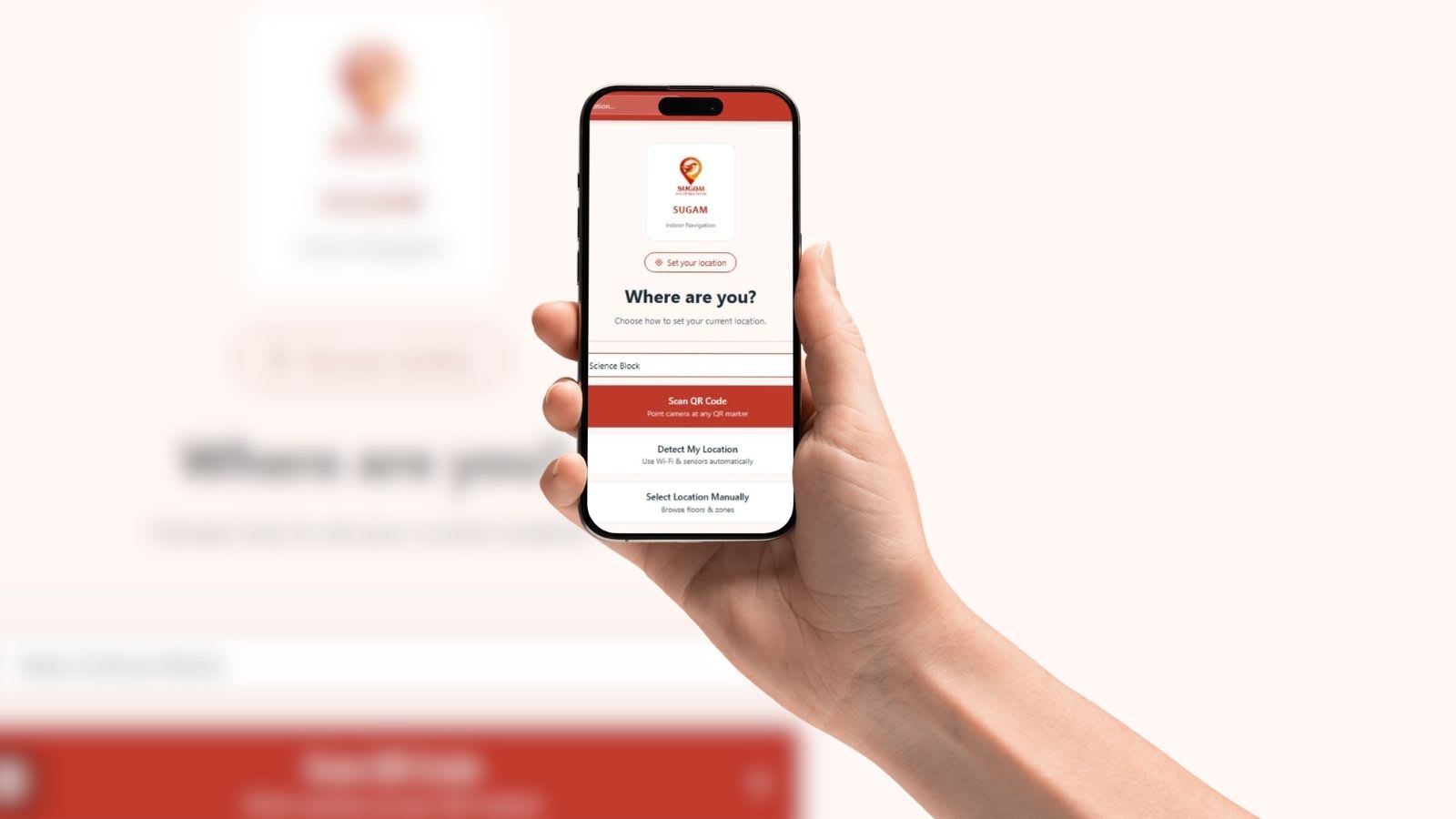
Students at Delhi University’s Maitreyi College have developed SUGAM, an innovative, student-led indoor navigation system designed to empower individuals with visual, hearing, and mobility impairments. This pioneering technology utilizes multi-sensory feedback to foster greater independence in indoor environments.
Bridging the Accessibility Gap: The Rise of SUGAM
In a significant leap for inclusive technology, students from Delhi University’s Maitreyi College have introduced SUGAM (Smart, Universal, Guided, Accessible Mobility). This indoor navigation system represents a paradigm shift in how academic institutions can address real-world challenges, specifically targeting the navigation difficulties faced by persons with visual, hearing, and mobility impairments. By creating a framework that operates within complex indoor environments, the team has successfully addressed a major barrier to independent living.
Multi-Sensory Design Principles
The efficacy of the SUGAM system lies in its multi-sensory approach to user interface design. Recognizing that disability is not monolithic, the developers have integrated a suite of features tailored to diverse needs:
- Voice Guidance: Essential for users with visual impairments to receive directional cues.
- Haptic Alerts: Utilizing vibration technology to provide non-intrusive feedback for those with hearing impairments.
- Step-by-Step Navigation: Providing clear, actionable paths for users with mobility challenges.
By incorporating multilingual support, the system ensures that accessibility is not restricted by language barriers, making it a truly universal tool for the diverse Indian demographic.
The Impact of Student-Led Innovation
As India’s first student-led inclusive indoor navigation system, SUGAM highlights the untapped potential of academic research environments. Moving beyond theoretical learning, the students at Maitreyi College have bridged the gap between engineering and social impact. This development underscores the importance of faculty-guided projects in fostering solutions that prioritize human-centric design over purely commercial interests.
Broader Implications for Urban Infrastructure
The launch of SUGAM arrives at a critical time when urban planning is increasingly being scrutinized for inclusivity. While outdoor navigation via GPS is common, indoor environments—such as hospitals, malls, and educational campuses—often lack standardized accessibility tools. SUGAM provides a scalable model that could be integrated into public infrastructure, potentially setting a new standard for 'Accessible India' initiatives. The use of digital tools to map indoor spaces effectively democratizes access to public and private buildings for everyone, regardless of their physical abilities.
Future Trends and Scalability
Looking ahead, the success of SUGAM suggests a growing trend toward 'assistive intelligence' in collegiate research. If this pilot project is adopted more broadly, it could pave the way for smart-building certifications that mandate the inclusion of such navigation systems. Future iterations might leverage advancements in AI and IoT to provide real-time updates on building conditions, such as lift maintenance or crowd density, further enhancing the autonomy of users with disabilities. This project serves as a beacon for future engineers, proving that empathy-driven technology is both viable and necessary.