India’s first female actor Durgabai Kamat escaped violent marriage, chose cinema for survival
Source Entity
Jyothi Jha
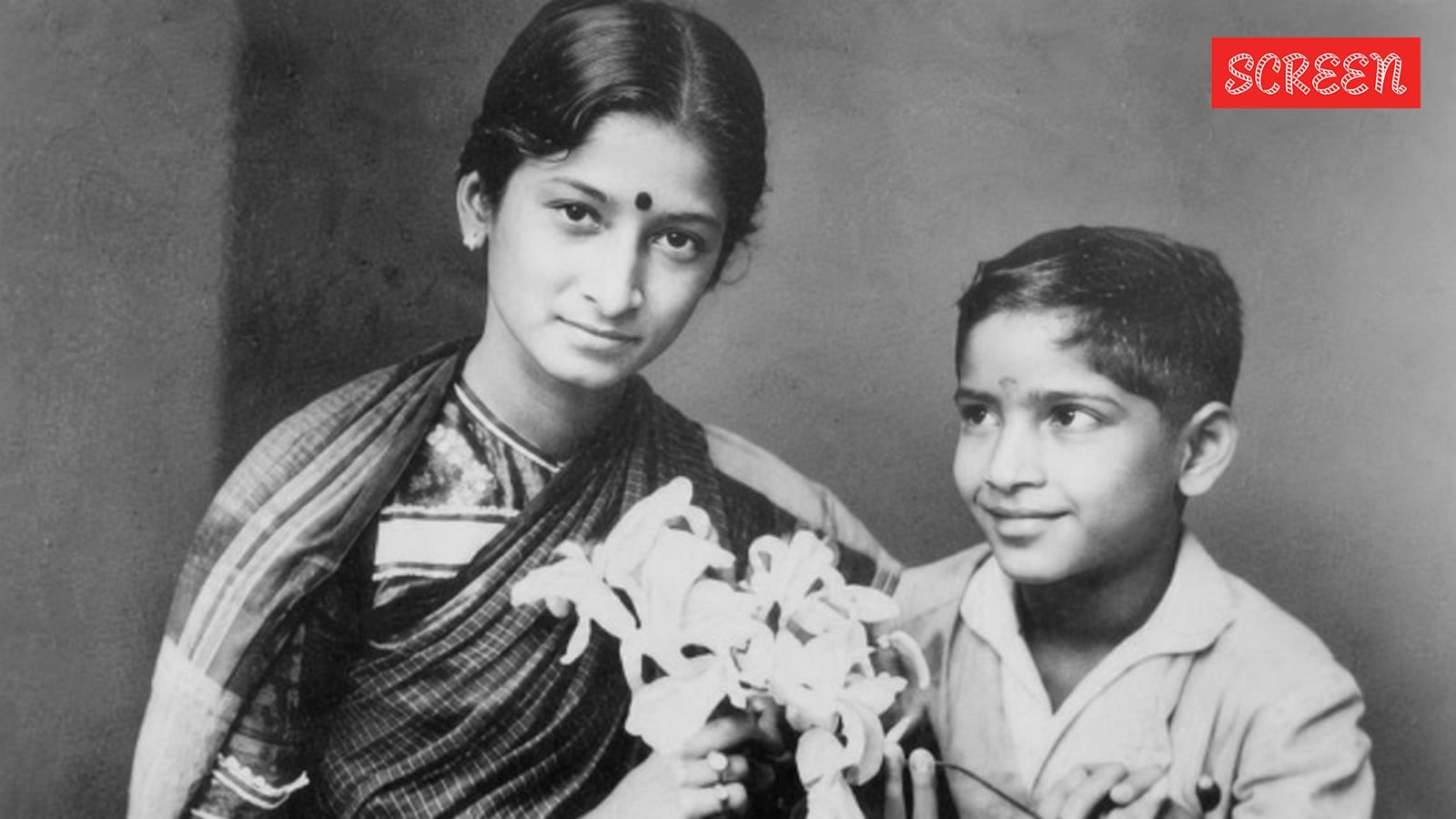
Durgabai Kamat overcame a violent marriage to become India's first female film actor in 1913. Her participation in Dadasaheb Phalke's 'Mohini Bhasmasur' challenged deep-seated social stigmas against women in the performing arts.
The Trailblazing Legacy of Durgabai Kamat
A Rebellion Against Social Norms
In the nascent stages of Indian cinema, the act of performing was viewed through a lens of deep social suspicion. In 1913, as Dadasaheb Phalke pioneered the medium with Raja Harishchandra, the industry faced a critical shortage of female performers. Societal pressures were so immense that Phalke was forced to cast a man, Anna Salunke, to play the female lead of Taramati. Into this restrictive environment stepped Durgabai Kamat, whose decision to enter the film industry was not merely a career choice, but a profound act of rebellion against the patriarchal constraints of her time.
Escaping Adversity Through Art
Background historical accounts suggest that Durgabai Kamat’s transition into cinema was driven by a desperate need for survival. Having escaped a violent marriage, Kamat sought financial independence and personal agency in an era when such pursuits were rarely afforded to women. By choosing the silver screen, she transformed a social taboo into a mechanism for personal liberation, effectively navigating a path that few women dared to tread.
Breaking the Gender Barrier
Kamat’s participation in Phalke’s second feature, Mohini Bhasmasur, marked a historic shift in Indian filmmaking. By becoming the first female actor to appear on screen, she dismantled the necessity of cross-dressing for female roles, a practice that had defined the earliest days of the medium. Her presence brought a new layer of authenticity to the screen, setting a precedent that would eventually allow Indian cinema to evolve into the global powerhouse it is today.
The Socio-Cultural Context of 1913
To understand the magnitude of Kamat’s achievement, one must view it against the backdrop of early 20th-century India. The performing arts were often associated with social ostracization, and for a woman to step out of the domestic sphere into the public eye of the camera was a radical departure from traditional expectations. Kamat’s courage provided the blueprint for the generations of actresses who would follow in her footsteps, effectively normalizing the profession of acting for women.
Legacy and Future Trends
While modern Bollywood is defined by complex systems of auditions, high-profile casting, and box-office analytics, it is essential to trace these structures back to the foundational risks taken by individuals like Durgabai Kamat. Her legacy serves as a reminder that the industry was built on the resilience of those who defied convention. As we look toward the future of global cinema, the story of Kamat remains a testament to the transformative power of the arts in overcoming domestic hardship and systemic gender inequality.