Robots, AI and drones: how the Dutch navy is using tech to transform its sea defences
Source Entity
Senay Boztas in Den Helder
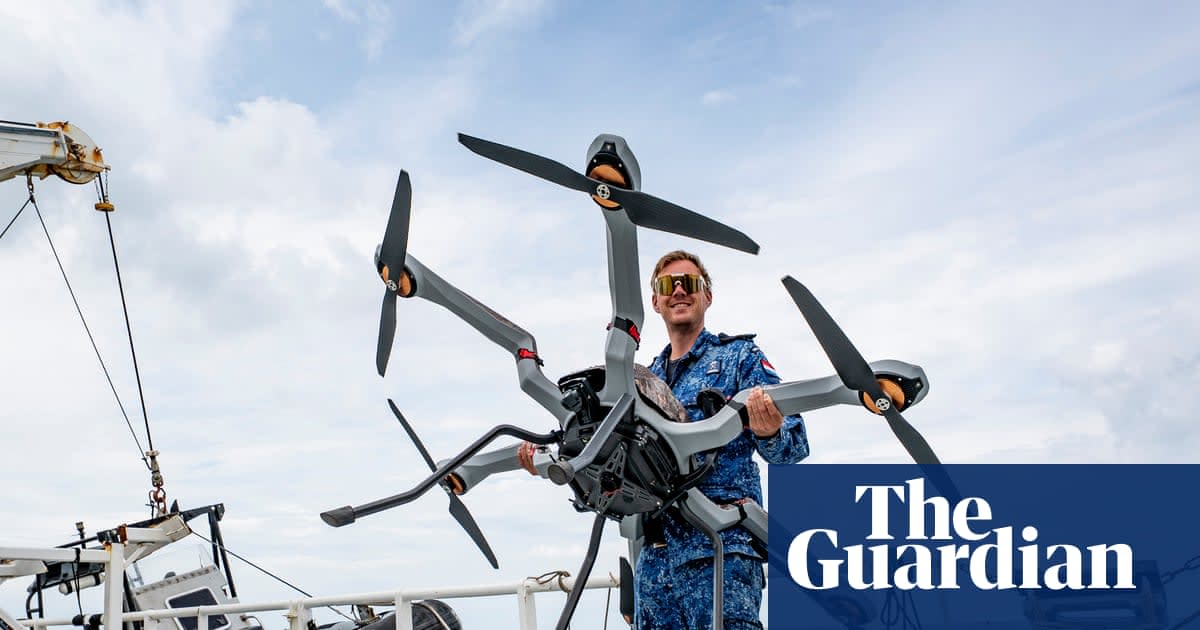
The Royal Netherlands Navy is modernizing its maritime defenses by integrating uncrewed systems, including AI-driven vessels like Defender 1 and 2, to enhance surveillance and remove personnel from high-risk danger zones.
The Digital Horizon: The Royal Netherlands Navy's Shift to Uncrewed Systems
The Royal Netherlands Navy is currently undergoing a significant strategic pivot, integrating artificial intelligence, robotics, and autonomous drones to redefine its approach to maritime security. At the heart of this transformation is the drive to minimize human exposure to high-risk environments. By deploying uncrewed systems, the navy aims to maintain a persistent and effective presence in contested or dangerous waters without risking the lives of its sailors. This shift represents a broader global trend in military modernization where the 'human-in-the-loop' model is evolving toward a 'human-on-the-loop' oversight system.
The Vanguard of Automation: Defender 1 and 2
Central to this technological leap are the vessels known as Defender 1 and Defender 2. These autonomous craft serve as the "eyes and ears" of the fleet, utilizing advanced computer systems to navigate and monitor target ships without any crew on board. By acting as remote sensors and surveillance platforms, these vessels can penetrate areas that would be too hazardous for manned ships. The ability of these systems to maintain a watchful distance and relay real-time data back to command centers allows the navy to gather critical intelligence with a level of stealth and risk-mitigation previously unattainable.
Stress-Testing the Future in Den Helder
Under the leadership of Capt Sjoerd Feenstra, head of the expertise centre for unmanned systems, the navy is conducting a rigorous five-week mission off the coast of Den Helder. This specific geographic location serves as a vital testing ground to push these autonomous systems to their operational limits. The mission is not merely about verifying that the robots can float and steer, but about testing the reliability of AI decision-making, the resilience of communication links, and the integration of multiple uncrewed assets into a single cohesive tactical picture. This phase of empirical testing is crucial for ensuring that when these systems are deployed in actual conflict zones, they behave predictably and securely.
Strategic Implications for Naval Warfare
This transition toward uncrewed systems reflects a fundamental change in naval doctrine. Traditionally, naval power was measured by the size and armament of manned hulls; however, the Dutch approach suggests a future where "distributed lethality" and autonomous surveillance are paramount. By decoupling the sensor (the drone) from the shooter (the manned ship or shore-based battery), the navy creates a layered defense system. This reduces the vulnerability of high-value assets and allows for a more agile response to asymmetrical threats, such as drone swarms or stealthy underwater incursions, which are becoming more prevalent in modern maritime conflict.
Balancing Automation with Human Oversight
The guiding philosophy of "keeping people out of danger zones" highlights the ethical and operational goals of the Royal Netherlands Navy. While the autonomy of Defender 1 and 2 is impressive, the role of the expertise centre led by Capt Feenstra remains critical. The challenge lies in the synergy between machine precision and human judgment. The Dutch navy is essentially building a framework where AI handles the tedious and dangerous task of persistence and surveillance, while human commanders retain the ultimate authority over engagement and strategic decision-making, thereby ensuring that the use of force remains governed by human ethics and international law.
Conclusion: A Blueprint for Modern Sea Defences
The initiatives currently unfolding off the coast of Den Helder are more than just technical trials; they are a blueprint for the future of maritime sovereignty. As the Royal Netherlands Navy successfully integrates AI and uncrewed vessels into its operational core, it sets a precedent for other NATO allies to follow. The move toward a robotized fleet not only enhances the safety of personnel but also provides a scalable, cost-effective method of maintaining sea control in an increasingly volatile global security environment.