E20 petrol shift leaves Bengaluru motorists worried over mileage, repairs
Source Entity
India Latest News: Top National Headlines Today & Breaking News | The Hindu
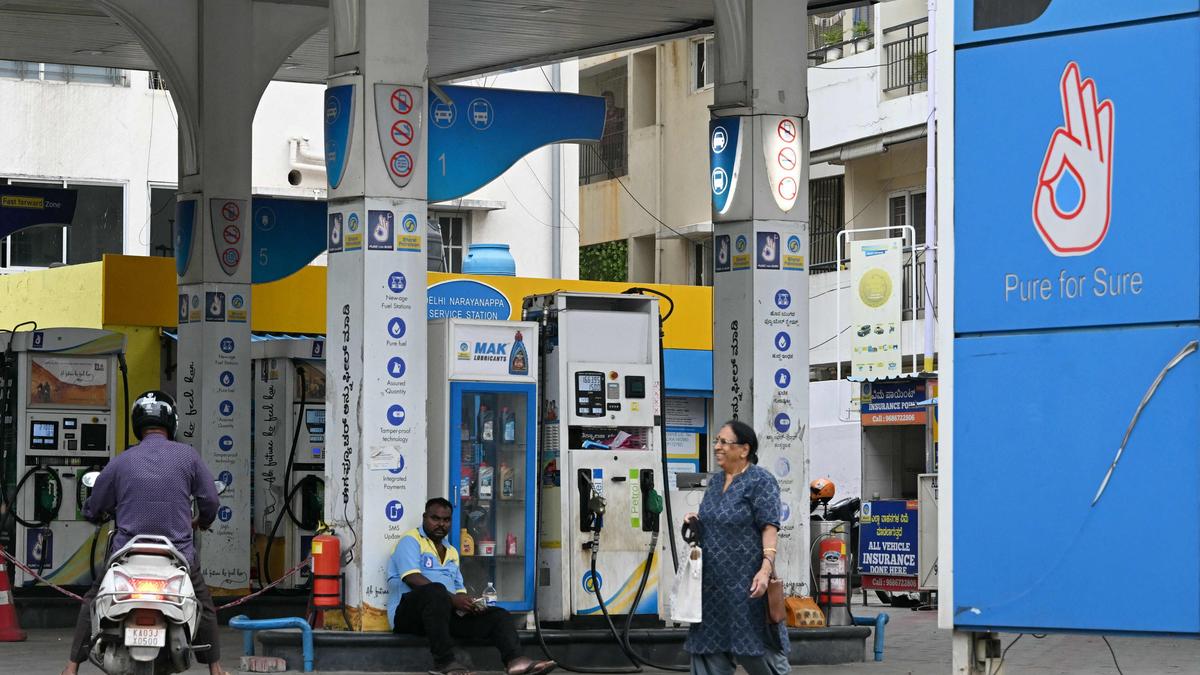
Bengaluru motorists are facing significant mechanical issues and reduced fuel efficiency following the nationwide rollout of E20 petrol. The transition has sparked concerns over vehicle longevity and rising maintenance costs for owners of older models.
The Challenges of India's E20 Fuel Transition in Bengaluru
The Shift to Ethanol-Blended Fuel
The Indian government has aggressively pushed for the nationwide adoption of E20 petrol, a fuel blend consisting of 20% ethanol and 80% fossil fuel, as part of a strategic clean-energy mandate. The primary objective behind this policy is to significantly reduce the nation's reliance on costly oil imports while simultaneously curbing carbon emissions to meet ambitious environmental goals. However, the transition has encountered significant friction in urban centers like Bengaluru, where the practical realities of engine compatibility have collided with national policy.
Impact on Vehicle Performance
For thousands of daily commuters in Bengaluru, the transition has been marked by frustration rather than efficiency. Owners of older passenger cars and two-wheelers have reported a marked decline in vehicle performance, directly linked to the higher ethanol content. The chemical properties of ethanol differ from traditional gasoline, often requiring specific engine modifications or fuel system adjustments that many legacy vehicles lack. This has led to widespread reports of engine sputtering and a noticeable drop in overall fuel mileage, exacerbating the daily stress of navigating the city’s dense traffic.
The Economic Burden on Motorists
Beyond the immediate operational issues, the shift to E20 has imposed a tangible financial burden on residents. As vehicles struggle to adapt to the new fuel composition, many motorists have experienced unexpected mechanical breakdowns, forcing them to seek professional repairs. This has resulted in a spike in maintenance bills, creating a sense of anxiety among vehicle owners who fear for the long-term health of their engines. Mechanical workshops in Bengaluru are now at the front line of this issue, dealing with an influx of customers seeking solutions for problems exacerbated by the fuel transition.
Broader Implications for Infrastructure
The current situation in Bengaluru highlights a critical gap between high-level energy policy and the ground-level state of the domestic vehicle fleet. While the mandate is designed for long-term sustainability, the lack of widespread awareness regarding the compatibility of older vehicles with E20 fuel has left many consumers vulnerable. The situation underscores the need for better consumer education and potentially more robust support systems for vehicle owners during significant energy transitions.
Future Outlook and Sustainability
Moving forward, the success of the E20 mandate will depend on how effectively the automotive industry and the government can bridge the gap for owners of older vehicles. As India continues its path toward greener energy, the lessons learned from the current frustrations in Bengaluru will be vital. Future trends suggest that while ethanol blending is here to stay, manufacturers and policymakers must prioritize compatibility standards to ensure that environmental progress does not come at the cost of individual vehicle reliability and economic stability.
Verification Required?