8 challans in July, no background check of accused: Shocking details emerge in Noida bus rape case
Source Entity
Latest News: Todays Latest News Headlines from India & World | Hindustan Times | Hindustan Times
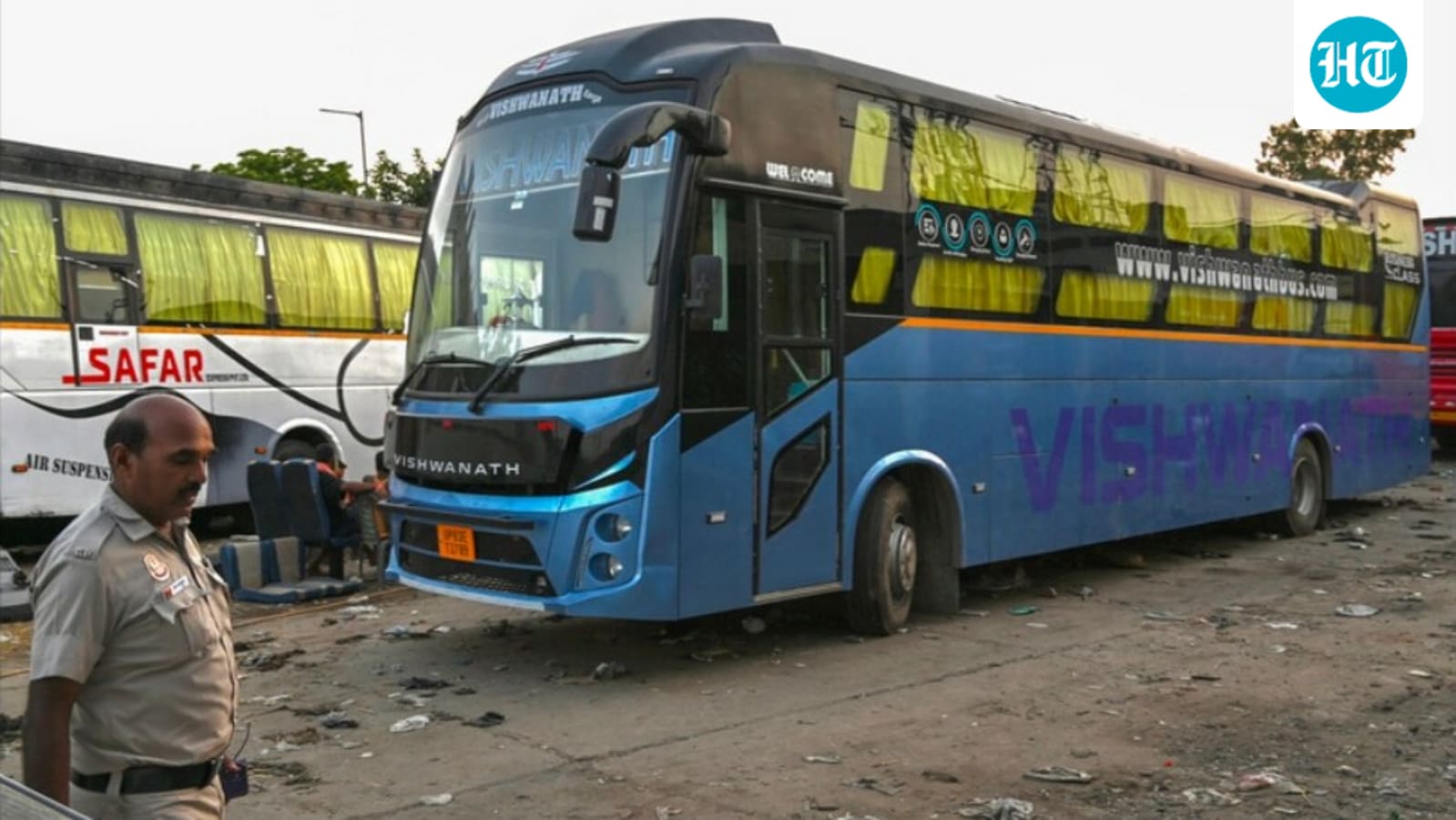
A 17-year-old girl was allegedly gang-raped on a sleeper bus that had 12 pending traffic violations and no valid permit. Delhi Police are building a 'watertight' case while investigating lapses in inter-state transport enforcement.
The Noida-Delhi Bus Tragedy: A Systemic Failure of Enforcement
The recent gang-rape of a minor on a sleeper bus traveling between Noida and Delhi has brought to light a horrifying confluence of criminal activity and systemic regulatory negligence. According to official reports, the vehicle (UP 83 ET 3789) was operating with 12 unpaid traffic challans totaling ₹63,000, illustrating a complete breakdown in transport enforcement protocols. The fact that a bus with repeated speed limit violations and a lack of a valid permit could continue to ply routes highlights a dangerous gap in the monitoring of inter-state commercial vehicles.
Regulatory Negligence and the Permit Crisis
Investigations have revealed that the bus was registered in Firozabad only in April, yet it rapidly accumulated a litany of violations. In July alone, the vehicle incurred eight challans, including a significant ₹23,000 fine for operating without a valid permit. The Motor Vehicles Act, which governs these safety standards, is clearly being circumvented. The presence of these outstanding fines suggests that the operators prioritized profit over the legal requirement to maintain safety standards, such as speed-limit devices and retro-reflective tape, which are essential for passenger safety.
The Failure of Inter-Jurisdictional Coordination
Beyond the criminal act itself, the case has highlighted a critical disconnect between the Gautam Buddh Nagar Police and the Delhi Police. Reports indicate that the Gautam Buddh Nagar Police claimed they were not informed that the crime occurred within Delhi’s jurisdiction, complicating the initial response. This lack of seamless communication between state authorities often creates 'blind spots' that allow habitual offenders to operate across borders without fear of being intercepted by law enforcement.
Building a 'Watertight' Legal Case
In response to the public outcry, the Delhi Police are moving swiftly to construct a comprehensive charge sheet. By collecting biological samples—including hair strands from the victim—and utilizing CCTV footage alongside mobile phone data, investigators are attempting to ensure the evidence is irrefutable. The goal is to file a 'watertight' charge sheet within two weeks, signaling an intent to fast-track the judicial process in a case that has shocked the capital.
Broader Implications for Public Transport
This incident forces a broader examination of how public transport is regulated in India. When a vehicle can operate with over a dozen pending violations, it points to a lack of real-time integration between regional transport offices (RTOs) and traffic police databases. If the system cannot prevent a vehicle with a history of non-compliance from entering public service, the safety of vulnerable passengers, particularly minors, remains in constant jeopardy.
Conclusion and Future Outlook
As the investigation continues, the focus must shift toward accountability for both the perpetrators and the regulatory bodies that allowed an unauthorized vehicle to operate. The forensic findings will be pivotal in the upcoming trial, but the structural failures exposed by this case require immediate reform. To prevent future tragedies, authorities must implement stricter enforcement of permit conditions and establish a unified inter-state database that flags repeat offenders before they become a threat to public safety.
Verification Required?