Landslide danger in Darjeeling and Kalimpong as heavy rain batters West Bengal
Source Entity
Sweety Kumari
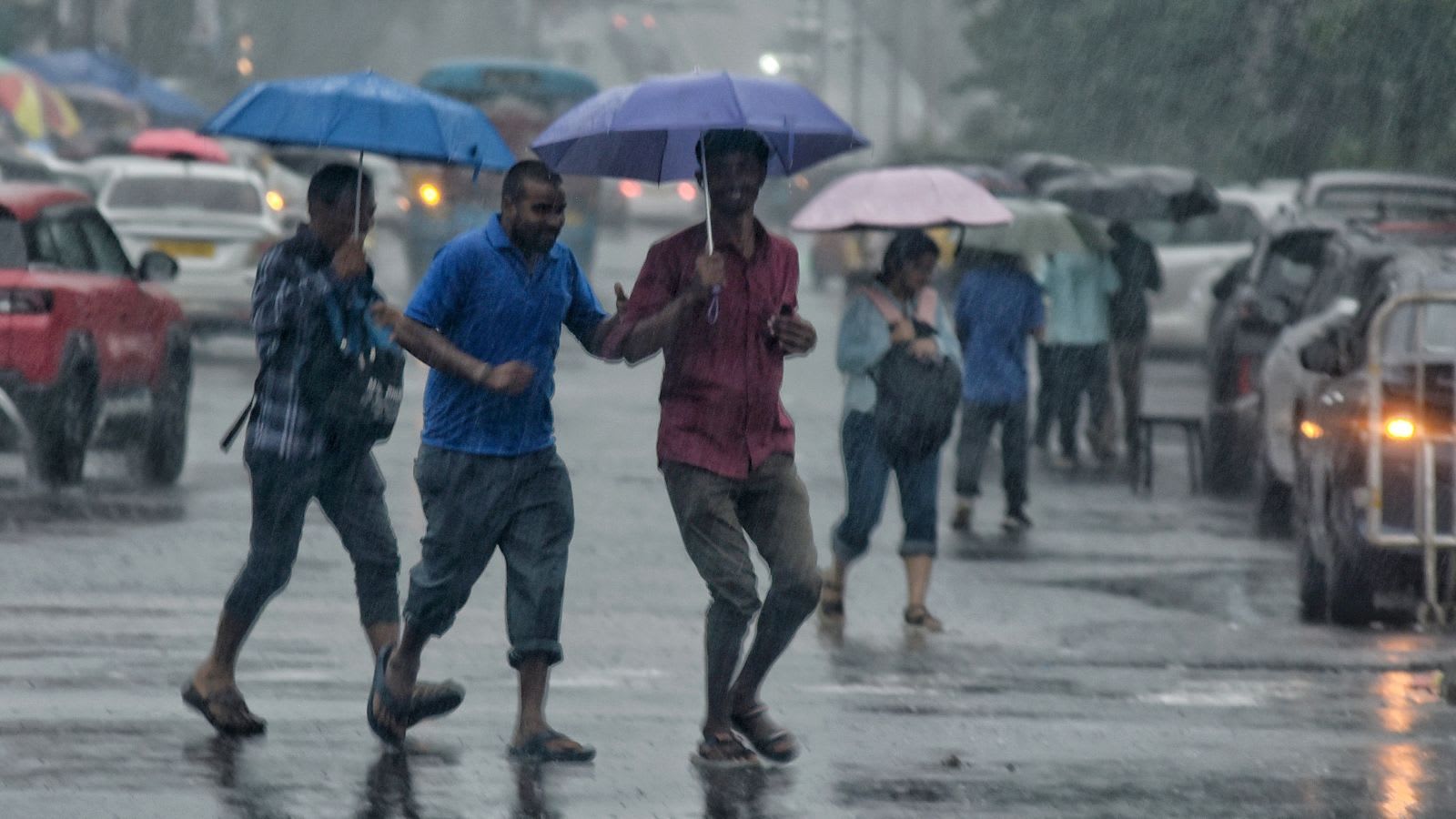
Heavy monsoon rains are triggering dangerous landslides and flooding across Uttarakhand and West Bengal. Authorities have issued severe weather alerts as the regions face structural damage and loss of life.
Monsoon Crisis: Landslides and Severe Weather Across India
India is currently grappling with a severe monsoon cycle that has brought life-threatening weather to both the Himalayan belt and the eastern regions. Recent reports confirm that heavy rainfall has triggered significant landslides in the villages of Nainital, Uttarakhand, while simultaneously battering the districts of Darjeeling and Kalimpong in West Bengal. This dual-front weather crisis highlights the escalating volatility of the Southwest Monsoon, which is currently being exacerbated by a well-marked low-pressure system.
The Human and Structural Toll
In Uttarakhand, the human cost has been immediate and tragic, with 12 fatalities reported within a 24-hour period. The destruction of homes in Nainital underscores the fragility of infrastructure in hilly terrains when faced with extreme precipitation. Simultaneously, in West Bengal, the Regional Meteorological Centre (RMC) in Kolkata has issued a comprehensive seven-day advisory. The warnings encompass not just landslide risks, but also the dangers of lightning strikes, severe waterlogging in urban underpasses, and significant damage to agricultural crops and vulnerable kutcha housing.
Meteorological Drivers and Regional Risks
The current weather pattern is largely driven by an active Southwest Monsoon system interacting with local geographical factors. For the Himalayan regions of Uttarakhand, the steep topography makes villages particularly susceptible to slope failure when soil saturation reaches critical levels. In West Bengal, the combination of intense rainfall and a low-pressure system creates a compounding effect, where drainage systems are overwhelmed, leading to the reported waterlogging and the high probability of landslides in the hilly districts of Darjeeling and Kalimpong.
Broader Implications for Disaster Management
These events underscore the broader implications of climate variability in the Himalayan and sub-Himalayan regions. The frequency and intensity of these extreme weather events pose a consistent threat to both human life and regional development. As the Meteorological Department continues to predict heavy to very heavy rainfall at isolated places, the necessity for robust disaster mitigation strategies—such as improved early warning systems and more resilient construction standards for rural housing—becomes increasingly apparent.
Looking Ahead: Preparedness and Safety
As the monsoon season progresses, the outlook remains precarious. Residents in affected areas are being urged to exercise extreme caution, specifically by avoiding shelter under trees during lightning storms and seeking higher ground in vulnerable areas. The coordination between local administration and meteorological departments will be critical in the coming week to manage the risks of further structural collapses and to provide necessary relief to those displaced by the ongoing deluge.