E20 petrol and vehicle mileage: What Nitin Gadkari said amid growing concerns
Source Entity
TOI NEWS DESK
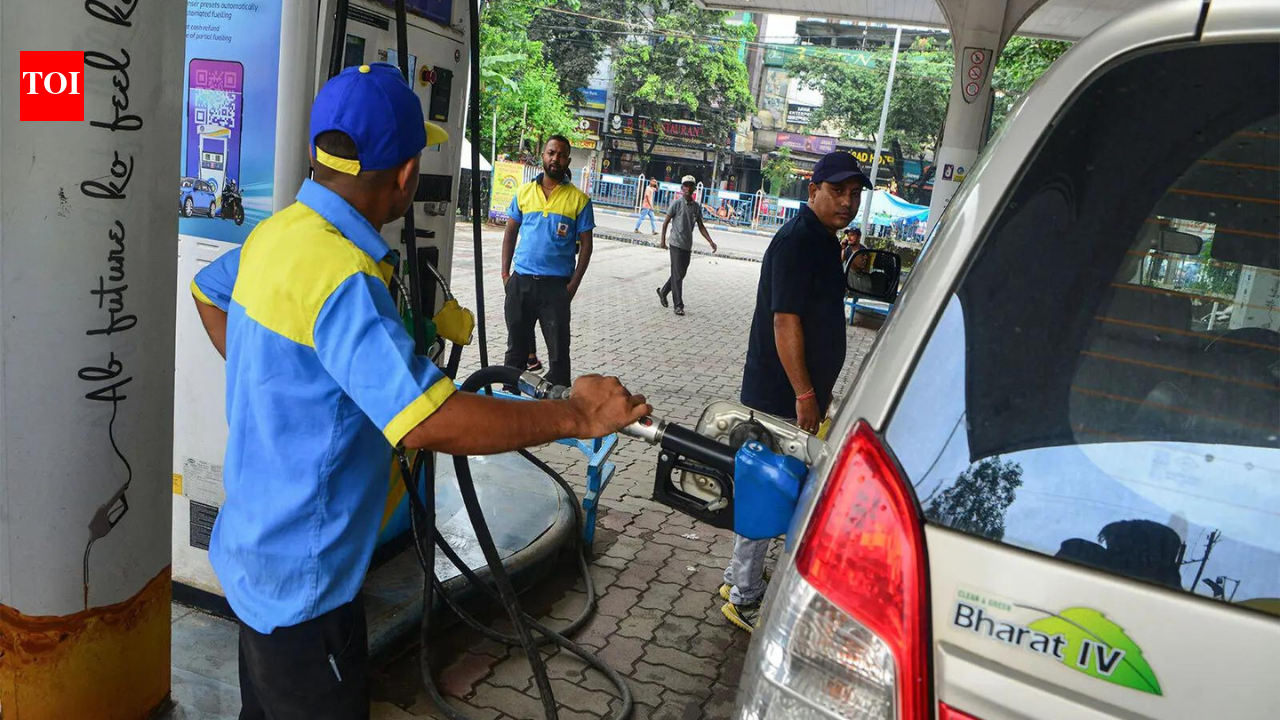
The Indian government has confirmed that E20 fuel can reduce vehicle mileage by 2-6% but offers superior acceleration and lower emissions. Officials have dismissed claims of industry pressure, clarifying that while older vehicles may require minor adjustments, the fuel has passed rigorous durability testing.
The E20 Transition: Balancing Efficiency and Sustainability
On July 30, 2026, the Indian government provided definitive clarity regarding the performance and implementation of E20 petrol—a blend consisting of 80% gasoline and 20% ethanol. Addressing the Lok Sabha, Union Minister Nitin Gadkari confirmed that while the transition to this greener fuel source can result in a 2-6% reduction in fuel economy, the trade-off includes significant environmental and performance benefits. This acknowledgment serves as a pivotal moment in India's broader strategy to reduce its carbon footprint and dependency on imported crude oil.
Performance Metrics and Environmental Impact
Contrary to some concerns regarding engine integrity, the study conducted by the Automotive Research Association of India (ARAI), the Society of Indian Automobile Manufacturers (SIAM), and the Indian Oil Corporation Limited (IOCL) found no engine failures during dynamometer and road testing. Furthermore, the findings highlight that E20 is not merely a compromise but an upgrade in certain mechanical aspects. Drivers may experience improved ride quality and superior acceleration compared to the legacy E10 fuel. Perhaps most importantly, the implementation of E20 contributes to a 30% reduction in carbon emissions, marking a substantial step toward India’s climate targets.
Addressing Public and Industry Skepticism
In response to mounting public backlash and rumors circulating on social media, the Ministry of Petroleum and Natural Gas (MoPNG) issued a strong rebuttal regarding alleged industry pressure. The Ministry explicitly denied that automakers are being coerced into endorsing E20 or hiding data regarding its efficacy. By rejecting claims that manufacturers privately view E20 as undesirable, the government aims to stabilize consumer confidence in the standard fuel variant now available nationwide.
Compatibility and Retrofitting Concerns
A significant portion of the public discourse has focused on the impact of ethanol on older engine components. Minister Gadkari clarified that while modern vehicles are designed for the blend, some vehicles manufactured before 2016 may require minor technical adjustments to ensure optimal performance and long-term durability. This distinction is crucial for vehicle owners concerned about wear and tear, as it distinguishes between inherent engine incompatibility and the need for maintenance-based modifications.
Future Trends and Strategic Outlook
As India moves forward with its ethanol-blending roadmap, the focus is shifting from technical validation to consumer education. The government’s transparency regarding the 2-6% mileage dip is a strategic move to manage expectations while highlighting the long-term benefits of reduced emissions. Moving forward, the industry is expected to continue refining fuel injection systems and material science to mitigate the slight loss in energy density inherent in ethanol, potentially closing the fuel economy gap in future engine generations.
Conclusion
The transition to E20 represents a complex intersection of environmental policy, automotive engineering, and public perception. By validating the performance data through joint studies and addressing misinformation, the government is attempting to streamline the integration of biofuels into the national energy grid. While consumers may note a slight change in fuel efficiency, the systemic benefits of lower carbon outputs and enhanced engine performance metrics suggest that E20 is a viable and necessary component of India's sustainable transportation future.