EC meets both TMC factions amid their 'real party' claims
Source Entity
TNN
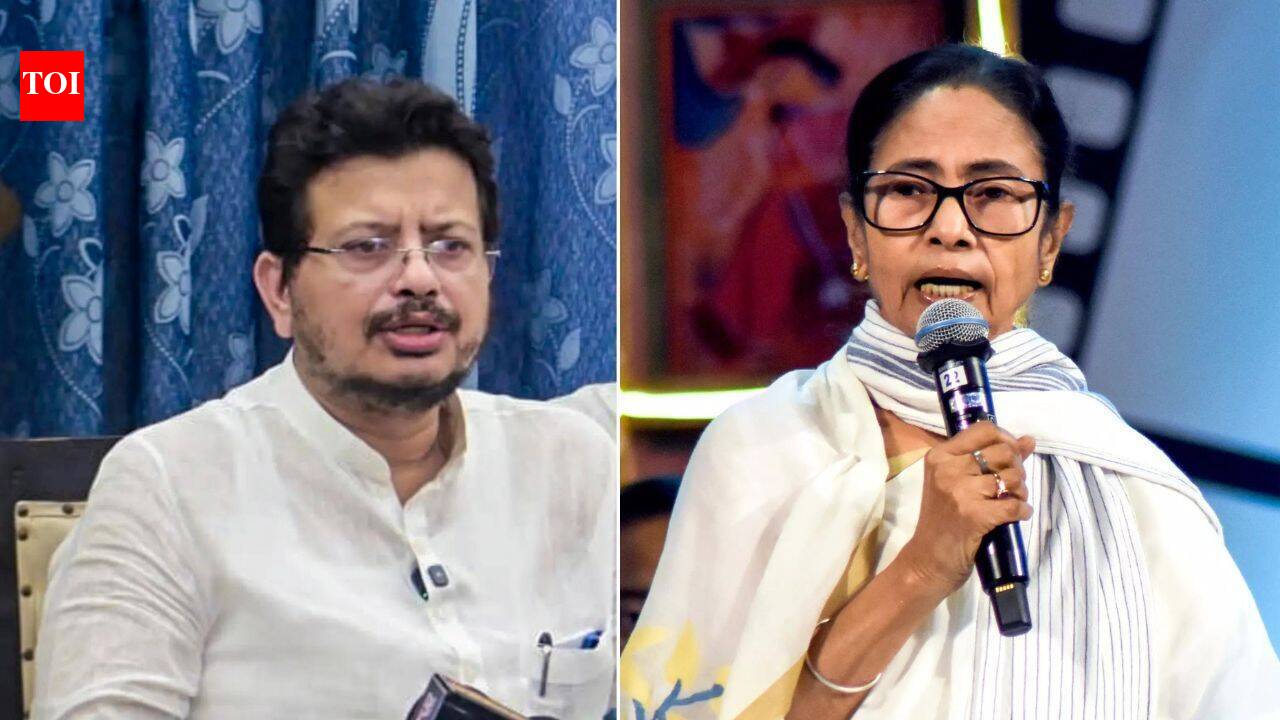
The Election Commission of India has initiated proceedings to address competing claims over the leadership and authenticity of the Trinamool Congress (TMC). This development follows internal factional disputes regarding who holds the legitimate mantle of the political party.
The TMC Factional Dispute: An Institutional Review
The Election Commission Intervenes
The Election Commission (EC) of India has officially entered the fray regarding the internal dispute within the Trinamool Congress (TMC). By meeting with both factions laying claim to the party, the constitutional body is exercising its mandate to settle internal organizational crises that threaten the stability and recognition of political entities. This step is a standard yet significant procedural move in Indian electoral law, aimed at determining which faction represents the 'real' party.
Legal Frameworks and Party Recognition
Under the Symbols Order of 1968, the Election Commission is empowered to decide on disputes between rival factions of a recognized political party. When two groups claim to be the authentic party, the EC evaluates factors such as the party constitution, the number of elected representatives in the legislature, and the support of organizational office-bearers. The current meetings represent the preliminary phase of this rigorous fact-finding mission.
Broader Political Implications
For a party as prominent as the TMC, such internal friction carries significant weight. The outcome of the EC’s deliberation will not only determine which faction retains control over the party’s assets and electoral symbol but will also dictate the political trajectory of the organization in upcoming state and national elections. This dispute underscores the fragility of party structures when leadership becomes contested.
Historical Context of Party Splits
Indian political history is replete with similar battles, from the split of the Indian National Congress in 1969 to more recent conflicts within regional parties like the Shiv Sena and the Nationalist Congress Party. These events highlight a recurring challenge in Indian democracy: the transition from charismatic, singular leadership to institutionalized party governance. The TMC’s current situation is a modern iteration of these historical power struggles.
Future Trends and Judicial Oversight
Looking ahead, the EC’s decision will likely be subject to intense scrutiny and potential legal challenges in the higher judiciary. As seen in past precedents, the losing faction often seeks recourse in the High Courts or the Supreme Court, ensuring that the resolution of this conflict may extend well beyond the commission's initial ruling. This process reinforces the importance of internal democratic mechanisms within political parties to avoid such protracted institutional paralysis.