Maharashtra top poll officer wants ECINet discretion for local staff — a demand the two ECs had flagged
Source Entity
Vallabh Ozarkar
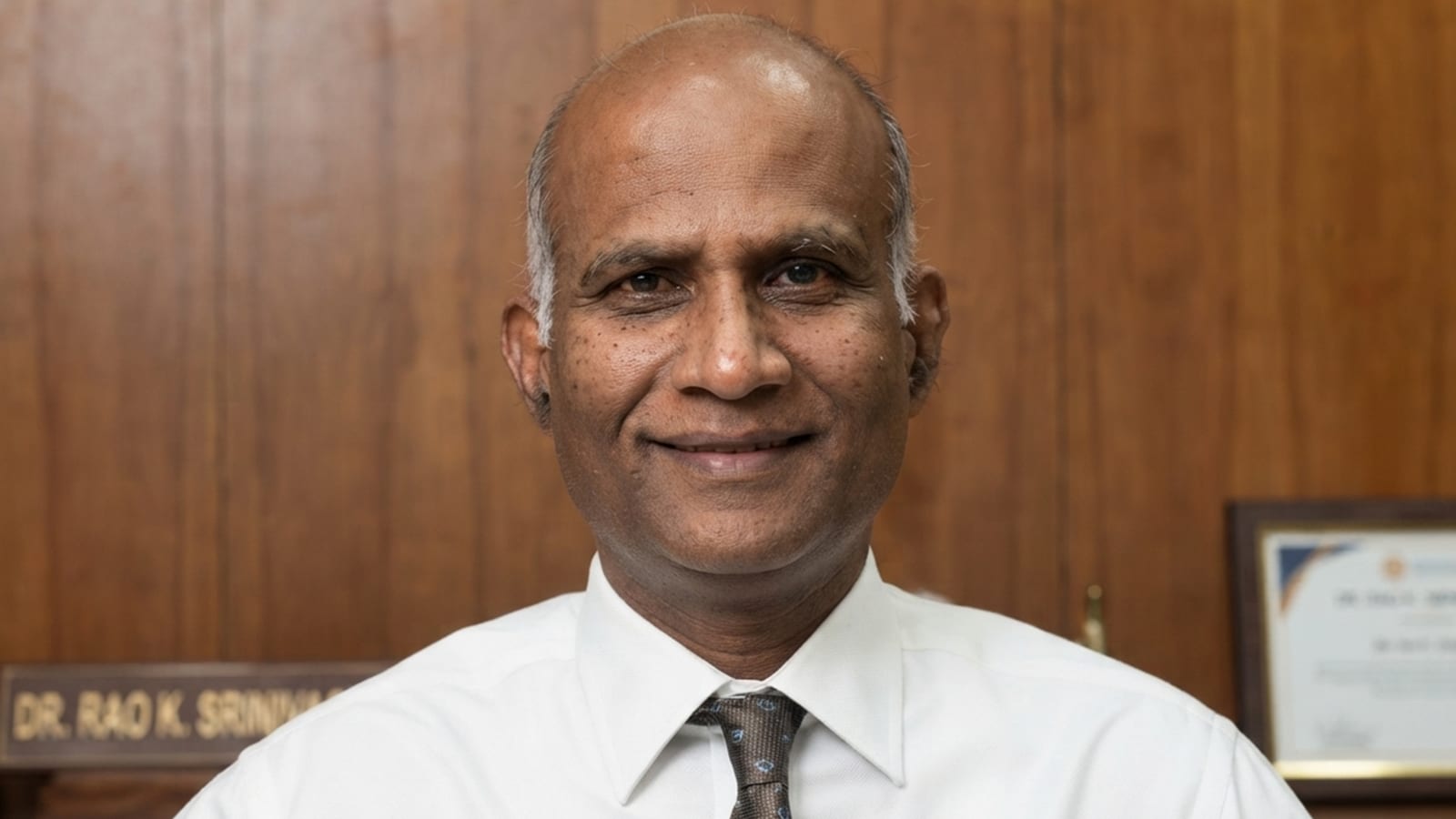
Internal friction within the Election Commission of India has surfaced, centering on disagreements over software-driven electoral roll management. Recent correspondence from the Maharashtra CEO echoes concerns raised by two Election Commissioners regarding the need for greater administrative discretion.
Internal Tensions at the Election Commission of India
Recent developments within the Election Commission of India (ECI) have brought to light significant internal friction regarding the management of electoral rolls and the use of digital infrastructure. The Chief Electoral Officer (CEO) of Maharashtra, S. Chockalingam, has formally requested changes to the ECINet software, seeking to restore discretionary powers to Electoral Registration Officers (EROs). This request, aimed at allowing EROs to better manage "logical discrepancies," mirrors concerns previously documented by Election Commissioners Sukhbir Singh Sandhu and Vivek Joshi.
The Role of Discretion in Electoral Integrity
The core of the conflict lies in the tension between automated, software-driven oversight and the legal authority granted to local officials. The EROs are tasked with the critical responsibility of maintaining accurate voter lists, a process that inherently requires human judgment. By requesting that EROs be empowered to determine which cases require hearings and which documents are acceptable, the Maharashtra CEO is essentially arguing for a more nuanced application of the law, which is currently being restricted by the rigid parameters of the ECINet system.
Institutional Disquiet and Transparency
The ECI has recently faced scrutiny following reports of internal dissent. It was revealed that Commissioners Sandhu and Joshi recorded objections on at least 14 occasions over a ten-month period. These objections touched upon sensitive issues, including the registration of new voters and the deletion or restoration of names in electoral rolls. The Commission’s subsequent attempt to address these concerns via a four-page explanatory note has been met with skepticism from political analysts and commentators, who argue that the document highlights deep-seated procedural issues rather than resolving them.
The Debate Over Accountability
The controversy has escalated into a broader debate regarding the accountability of the Chief Election Commissioner (CEC). Critics have pointed to the ECI’s own communications as evidence of systemic failures in decision-making processes. The argument posits that the reliance on centralized software, which restricts the oversight capacity of local officials, fundamentally undermines the democratic mandate of the Commission. There are growing calls for the institution to reflect on its governance model to avoid further erosion of public trust.
Implications for Future Electoral Revisions
As Maharashtra enters the notice phase of the Special Intensive Revision (SIR), the outcome of this dispute over ECINet functionality will have direct consequences for the accuracy and legitimacy of the voter rolls. If the Commission chooses to maintain the current rigid software constraints, it risks alienating the local officials who are best positioned to verify the integrity of the data. Conversely, granting the requested discretion could restore the necessary checks and balances that the law originally intended for the electoral registration process.
Conclusion
The ongoing situation within the Election Commission represents a critical juncture for Indian democratic institutions. The conflict between the push for digital efficiency and the requirement for human-led administrative discretion remains unresolved. Moving forward, the ECI faces the challenge of reconciling its technical infrastructure with the legal mandates of its officers, while simultaneously addressing the internal discord that has placed the institution under unprecedented public and political scrutiny.