When Election Commission was rocked by internal disputes | Explained
Source Entity
India Latest News: Top National Headlines Today & Breaking News | The Hindu
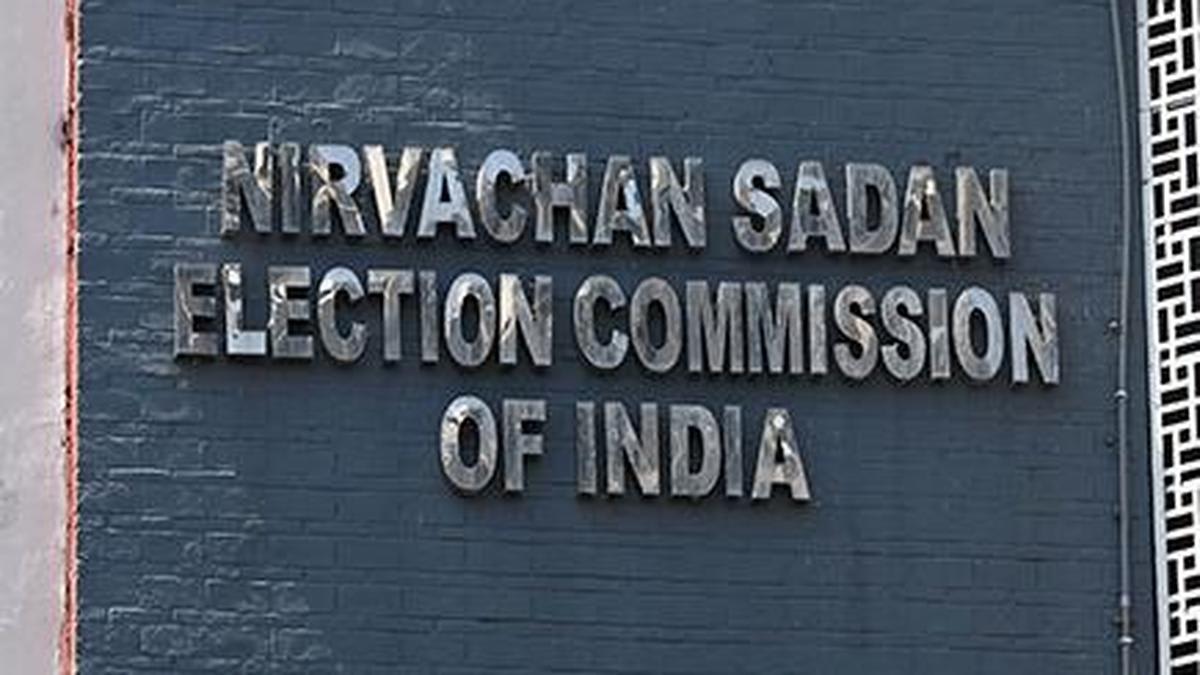
The Election Commission of India has navigated significant internal friction throughout its history, marked by high-profile legal challenges and institutional disputes. These events reflect the ongoing evolution of the body's structure from a single-member entity to a multi-member constitutional authority.
The Evolution and Internal Struggles of the Election Commission of India
Historical Context: From Single to Multi-Member
The Election Commission of India (ECI) has undergone a profound structural transformation since its inception. From the tenure of Sukumar Sen, who oversaw the monumental first general election in 1951-52, until October 1986, the ECI functioned as a single-member body led by the Chief Election Commissioner (CEC). This structure provided a singular point of authority but lacked the checks and balances inherent in a multi-member commission, eventually leading to legislative and judicial debates regarding the optimal composition of the institution.
The Judicial Intervention: S.S. Dhanoa v. Union of India
The shift toward a multi-member commission was not merely an administrative choice but a subject of constitutional interpretation. In the landmark case of S.S. Dhanoa v. Union of India (1991), the Supreme Court of India clarified the President's powers under Article 324(2) of the Constitution. The Court affirmed that the President holds the authority to determine and appoint additional Election Commissioners as necessitated by the workload, establishing the legal framework that transitioned the ECI into the multi-member constitutional body recognized today.
Political Friction and Appointments
The expansion of the commission has often coincided with periods of intense political scrutiny. In October 1989, the Rajiv Gandhi administration appointed S.S. Dhanoa and V.S. Seigell as Election Commissioners alongside CEC R.V.S. Peri Sastry. This move was officially justified by the surging administrative workload of conducting national elections, yet it highlighted the delicate balance between government-appointed oversight and the requirement for institutional independence from the executive branch.
High-Profile Controversies and Institutional Integrity
Internal disputes within the ECI have occasionally reached a breaking point, drawing significant public and legal attention. The tenure of T.N. Seshan, a legendary figure in Indian administrative history, was marked by a dramatic legal challenge against the appointment of two additional Election Commissioners. This litigation underscored the tension between the CEC and the government regarding the dilution of power within the commission.
The Gopalaswami-Chawla Conflict
Perhaps one of the most shocking episodes in ECI history involved CEC N. Gopalaswami, who issued a suo motu recommendation to the President of India seeking the removal of Election Commissioner Navin Chawla. This unprecedented move brought the internal fissures of the commission into the national spotlight, raising critical questions about the security of tenure for commissioners and the mechanisms available for resolving internal friction within constitutional bodies.
Implications for Future Governance
These historical episodes demonstrate that the ECI’s journey toward stability has been marked by trial and error. The transition from a single-member entity to a complex multi-member commission has been essential for managing the sheer scale of the world's largest democracy. However, the recurring nature of these disputes highlights the necessity for clear, non-partisan protocols for appointments and removals to ensure the ECI remains a beacon of institutional integrity and democratic function.
Verification Required?