Congress accuses CEC of law violation over Form 6 changes, urges Supreme Court to hold him accountable
Source Entity
India Latest News: Top National Headlines Today & Breaking News | The Hindu
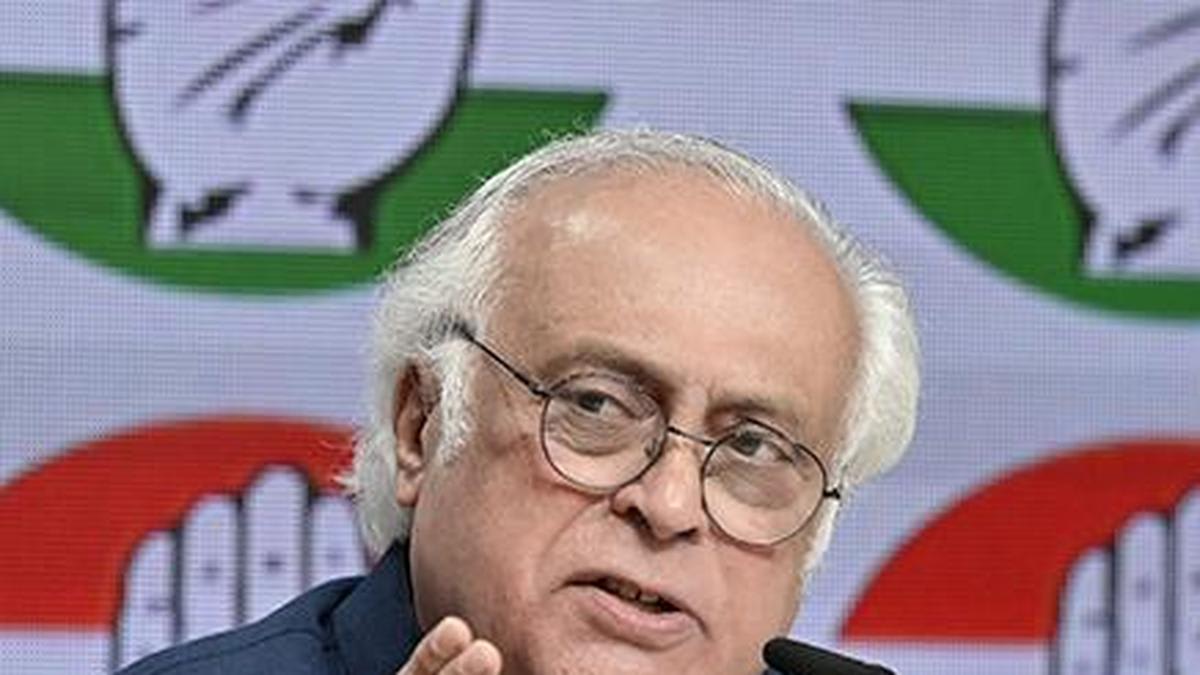
The Election Commission is facing scrutiny following the postponement of an event involving CEC Gyanesh Kumar and allegations of electoral irregularities. While the EC attributes scheduling changes to logistics, political figures like Chirag Paswan and the Congress party are demanding greater transparency and accountability.
Scrutiny of the Election Commission: Navigating Political and Logistical Challenges
Recent developments concerning the Election Commission of India (ECI) have placed Chief Election Commissioner Gyanesh Kumar at the center of a growing political debate. The ECI’s decision to postpone an event in Uttar Pradesh, which it attributed to "logistical and administrative factors," has served as a flashpoint for broader concerns regarding the transparency of the electoral body. While the ECI maintains that such adjustments are a standard part of its operational process, the timing has invited intense public and political scrutiny.
Political Demands for Transparency
The controversy has elicited diverse responses from the political spectrum. Union cabinet minister Chirag Paswan has publicly urged the Chief Election Commissioner to address the mounting doubts surrounding the ECI’s integrity. Paswan emphasized that it is incumbent upon the Election Commission to defend its own reputation when faced with public criticism, noting that political parties lack the access to internal ECI processes required to serve as its mouthpiece. His remarks highlight a critical expectation: that an independent constitutional body must proactively maintain its institutional credibility.
Allegations of Electoral Irregularities
Simultaneously, the Andhra Pradesh Congress Committee (APCC) has escalated its opposition, staging protests in Vijayawada. Led by APCC president Y.S. Sharmila, the party has formally demanded the removal and arrest of CEC Gyanesh Kumar. Central to their grievances is the Special Intensive Revision (SIR) of electoral rolls, which the party claims is marred by "vote theft" and irregularities. The APCC has specifically called for an immediate halt to the SIR exercise and a judicial inquiry into the alleged centralization of voter data entry, which they fear undermines the integrity of the electoral process.
The Role of Constitutional Independence
These events underscore the delicate balance between the ECI’s administrative autonomy and the public's right to accountability. By demanding that the courts take suo motu cognizance of these issues, the opposition is testing the boundaries of judicial oversight in electoral governance. The core of the tension lies in whether the ECI can effectively insulate itself from political pressures while maintaining the technical and logistical precision required to manage a democratic process of India’s scale.
Future Implications for Electoral Trust
Looking forward, the ECI faces a significant challenge in restoring public confidence. The recurring nature of these complaints suggests that "logistical" explanations may no longer suffice to silence critics. If the ECI does not provide a robust, transparent defense against the specific charges regarding data centralization and roll revision, it risks long-term damage to its institutional standing. Future trends will likely see increased calls for legislative reforms that enforce greater transparency in how the ECI handles electoral data and scheduling decisions to avoid the perception of political bias.
Multiple Citing Sources
Verification Required?