Uttarakhand’s SIR final roll is out — but the voter enrolment exercise isn’t over yet
Source Entity
Vidheesha Kuntamalla
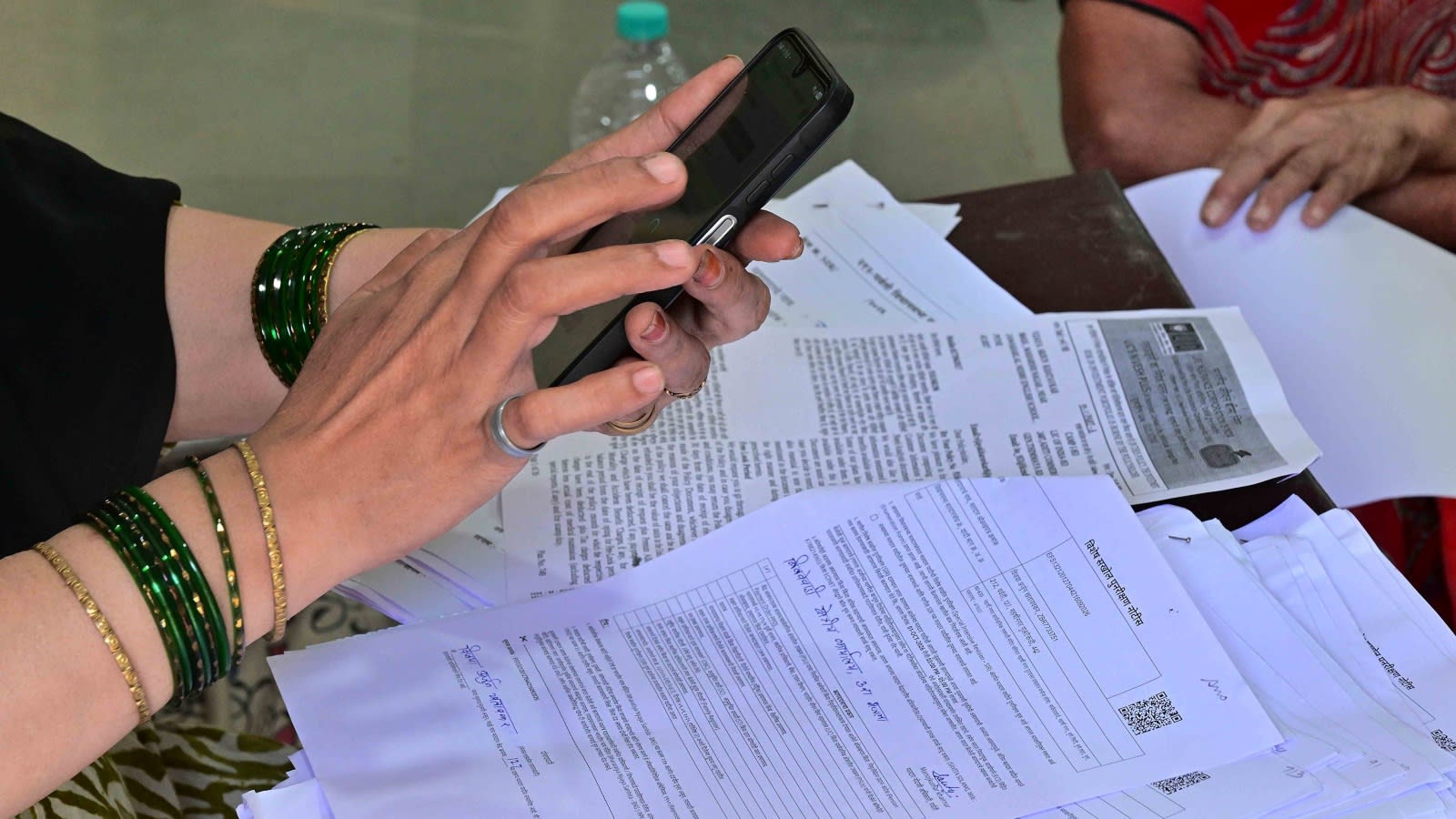
Electoral roll integrity is under scrutiny as Uttarakhand initiates a corrective drive to re-enrol missing voters, while Bengaluru police investigate allegations of mass illegal voter deletions in Malleswaram. Both incidents highlight systemic challenges in the Special Intensive Revision (SIR) process across different states.
Integrity of Electoral Rolls: A Growing Concern in India
The robustness of electoral rolls is the bedrock of any functioning democracy, serving as the essential registry that validates the franchise of citizens. Recent developments in Uttarakhand and Karnataka have brought the administrative processes surrounding the Special Intensive Revision (SIR) of these rolls under intense public and legal scrutiny. These events underscore the delicate balance between maintaining an updated, clean voter list and ensuring that no eligible citizen is disenfranchised through administrative error or malicious intent.
The Uttarakhand Correction Drive
In Uttarakhand, despite the formal publication of the final electoral roll following the SIR, the process remains effectively incomplete. The Election Commission of India (ECI), responding to widespread concerns regarding the scale of deletions, has mandated a follow-up exercise. Booth Level Officers (BLOs) are now tasked with a comparative analysis of pre-SIR and post-SIR rolls to identify gaps. This intervention is a direct response to national directives aimed at 20 states and Union Territories, signaling a top-down recognition that the initial revision process may have inadvertently stripped eligible voters from the rolls.
Allegations of Malpractice in Bengaluru
Simultaneously, the situation in Bengaluru’s Malleswaram constituency presents a more severe dimension: potential criminal manipulation. An FIR registered by the Vyalikaval police, following a complaint by Congress leader Anoop Iyengar, details alleged irregularities at Polling Station No. 157. The core of the complaint involves the misuse of Form-7—the standard instrument for requesting the deletion of a voter’s name—to remove 778 entries. The gravity of these allegations lies in the claim that individuals who had already cast votes were flagged as having shifted residence or being otherwise ineligible.
Legal Implications and the BNS Framework
The Bengaluru case is significant as it marks a legal test for the recently implemented Bharatiya Nyaya Sanhita (BNS), 2023. By invoking sections related to forgery and tampering with official records, the authorities are treating the integrity of the electoral roll as a matter of criminal law rather than mere administrative oversight. This shift suggests that the ECI and law enforcement agencies are attempting to create a deterrent against the weaponization of bureaucratic forms to suppress or manipulate voter demographics.
Broader Implications for Electoral Trust
These two events, while geographically distinct, share a common thread: the vulnerability of the electoral roll revision process. When the system relies on physical verification and the processing of thousands of applications, the margin for error—and the opportunity for bad actors to exploit that error—increases. The ECI’s directive for a 'special drive' in Uttarakhand serves as a corrective mechanism, but it also raises questions about the efficacy of the original SIR exercise. If voters must be 'rediscovered' after being deleted, it suggests a systemic failure in the verification protocols that currently govern the SIR.
Future Trends and Reform
Looking ahead, it is likely that the ECI will face increased pressure to digitize and harden the security around Form-7 and other electoral filing processes. The trend toward higher voter awareness, as evidenced by the prompt filing of complaints in Bengaluru, suggests that political stakeholders and citizens are becoming more vigilant. Moving forward, the focus will likely shift toward greater transparency in how deletion requests are processed, with a possible move toward mandatory multi-factor verification to ensure that every removal from the electoral roll is legitimate and documented.