Electric air taxis get the green light for flight tests in Texas
Source Entity
Andrew J. Hawkins
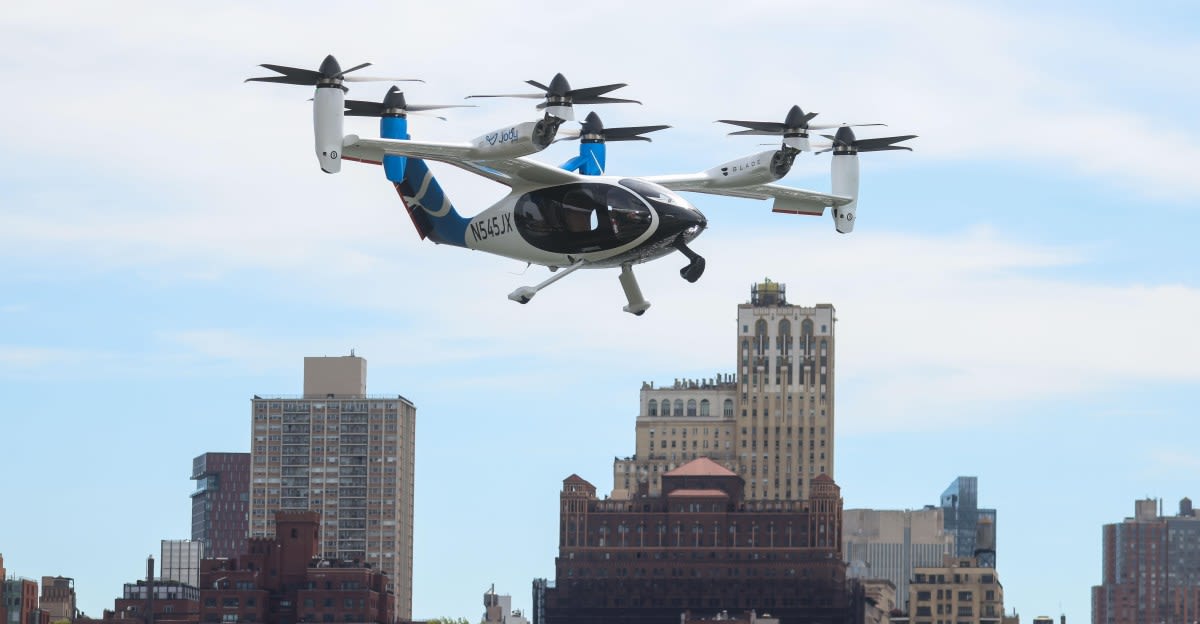
The Federal Aviation Administration has launched its Advanced Air Mobility Integration Pilot Program in Texas, initiating early flight tests for electric vertical takeoff and landing (eVTOL) aircraft. This initiative aims to evaluate the feasibility of autonomous and hybrid-electric flight despite a current lack of finalized federal regulatory frameworks.
The Dawn of Urban Air Mobility in Texas
The aviation landscape is undergoing a paradigm shift as the Federal Aviation Administration (FAA) initiates its Advanced Air Mobility and Electric Vertical Takeoff and Landing (eVTOL) Integration Pilot Program (eIPP) in Texas. This launch represents a significant milestone, marking the commencement of real-world flight testing for electric, hybrid-electric, and autonomous aircraft under federal oversight. By selecting Texas as the inaugural site for these tests, the FAA is prioritizing empirical data collection to inform the future of regional and urban air travel.
Navigating a Pre-Regulatory Environment
A particularly unique aspect of this program is its preemptive nature. These flight tests are being conducted before the finalized federal rules governing eVTOL operations have been fully codified. This strategy suggests that the FAA is adopting an agile, data-driven approach to regulation. By observing how these aircraft perform in controlled, state-led pilot environments, regulators can draft safety standards and operational protocols that are grounded in actual performance metrics rather than purely theoretical models.
The eIPP Framework and State-Led Innovation
The eIPP serves as a vital bridge between experimental technology and commercial viability. Earlier this year, the FAA selected eight distinct state-led projects to spearhead this integration. By decentralizing the testing process, the FAA allows for diverse geographic and logistical scenarios, ensuring that the infrastructure requirements for eVTOLs—such as vertiports, charging stations, and air traffic management—are stress-tested against the realities of local aviation ecosystems.
The Role of eVTOL Companies
The Texas pilot program features three specialized eVTOL companies, each contributing to the collective knowledge base of the industry. These firms represent the cutting edge of aerospace engineering, focusing on propulsion systems that reduce noise, emissions, and reliance on fossil fuels. Their participation is critical for determining how these aircraft will integrate into existing airspace without disrupting commercial aviation or risking public safety.
Broader Implications for Transportation
If successful, the integration of eVTOLs could fundamentally alter the commute and logistics sectors. By utilizing the 'third dimension' of urban space, these aircraft promise to bypass surface-level congestion, potentially offering a sustainable alternative to traditional ground transit. However, the success of this vision depends heavily on the outcomes of these initial Texas tests, which will dictate how quickly these technologies move from experimental pilot projects to public-facing transportation networks.
Future Trends and Outlook
Looking ahead, the trajectory of this technology will likely be characterized by a phased rollout. As the FAA finalizes its regulatory framework based on the data gleaned from these pilot programs, we can expect to see increased certification of airframes and the formalization of pilot training requirements. The Texas launch is not merely a test of hardware; it is the opening chapter in a regulatory evolution that will eventually define the next generation of autonomous and electric aviation.