Proxima Fusion bets €140M on a critical fusion ingredient dominated by Asian suppliers
Source Entity
Tim De Chant
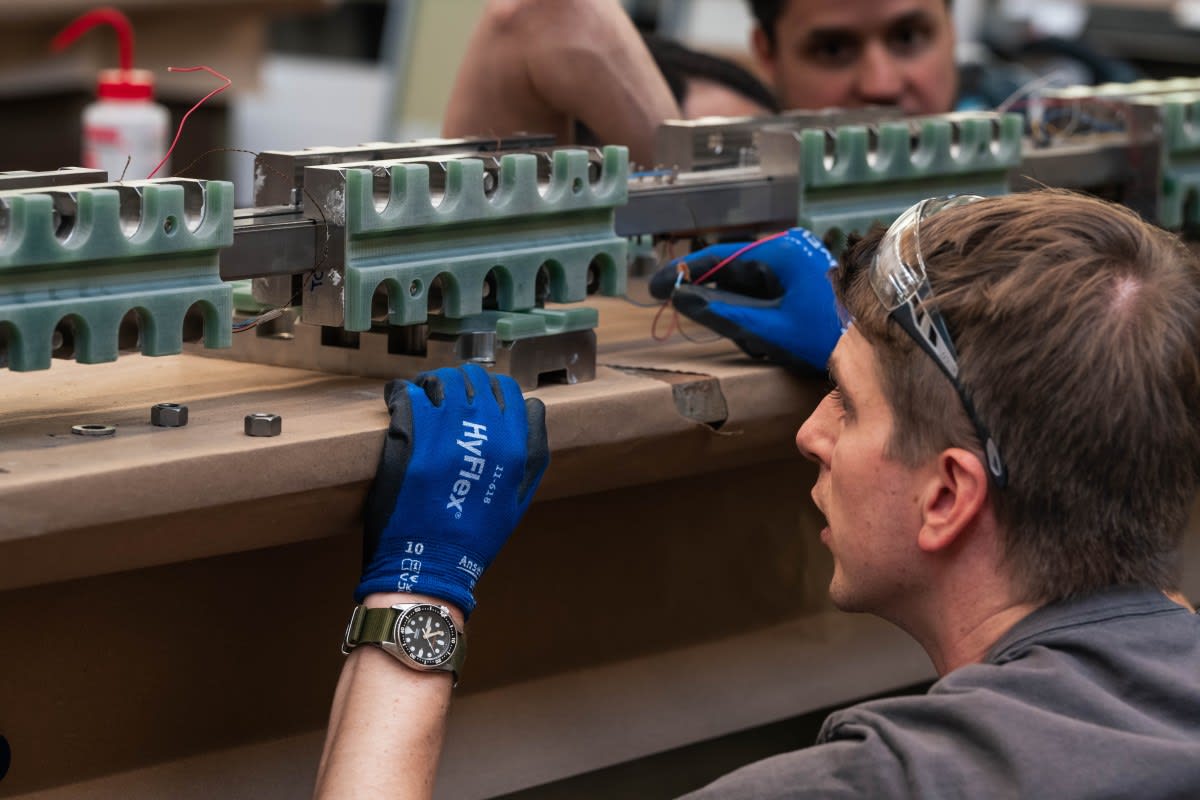
Germany-based Proxima Fusion is investing €140 million to build a factory for high-temperature superconducting (HTS) tape. This strategic move aims to secure a critical supply chain component for their fusion reactor technology and reduce reliance on Asian suppliers.
Proxima Fusion's Strategic Pivot to Domestic HTS Production
In a significant development for the European deep-tech sector, Germany-based Proxima Fusion has announced a €140 million ($162.6 million) investment to establish a dedicated factory for producing high-temperature superconducting (HTS) tape. This decision marks a pivotal moment for the startup, which recently solidified its position among the best-funded fusion energy companies globally following a massive €411 million funding round. By bringing the manufacturing of this essential component in-house, Proxima Fusion is not merely scaling its operations but is actively insulating its reactor design from the vulnerabilities of global supply chain volatility.
The Role of HTS Tape in Fusion Energy
High-temperature superconducting tape serves as the backbone for modern compact fusion reactor designs. These tapes are engineered to generate the intense magnetic fields necessary to contain plasma, which must be heated to millions of degrees to initiate and sustain fusion reactions. As the industry shifts away from traditional, bulky low-temperature magnets toward more efficient HTS solutions, the demand for high-quality, fusion-grade tape has surged. Proxima Fusion’s investment ensures that their specific reactor requirements are met with precision-engineered materials, mitigating the risk of relying on third-party specifications.
Addressing Supply Chain Geopolitics
Currently, the global market for high-temperature superconducting materials is heavily dominated by Asian suppliers. For European startups, this dependency poses a significant strategic risk, particularly given the increasing global competition for critical energy technologies. By building a domestic production facility in Germany, Proxima Fusion is taking a proactive step toward technological sovereignty. This move aligns with broader European efforts to re-shore critical manufacturing and ensure that the next generation of clean energy infrastructure is not dependent on external geopolitical factors.
Financial Structure and State Support
The financial architecture of this project highlights the high level of confidence investors and government entities have in the fusion sector. With the state of Lower Saxony contributing €21 million, the project represents a successful model of public-private partnership. This injection of capital, combined with the company’s recent private equity success, provides the runway necessary to transition from theoretical design to tangible industrial manufacturing. The involvement of the state also signals a long-term commitment to fostering a local fusion ecosystem in Germany.
Future Trends and Industry Implications
Looking ahead, Proxima Fusion’s initiative is likely to set a precedent for other fusion startups. As the industry matures, the focus will increasingly shift from scientific feasibility to industrial scalability. By controlling the supply of HTS tape, Proxima is positioning itself to not only build its own reactors but potentially become a key player in the European fusion supply chain. This vertical integration strategy is a hallmark of companies aiming to move from the research laboratory to the commercial energy grid, potentially accelerating the timeline for fusion-generated electricity.