Google is making it easier to switch between password managers on Android
Source Entity
Ivan Mehta
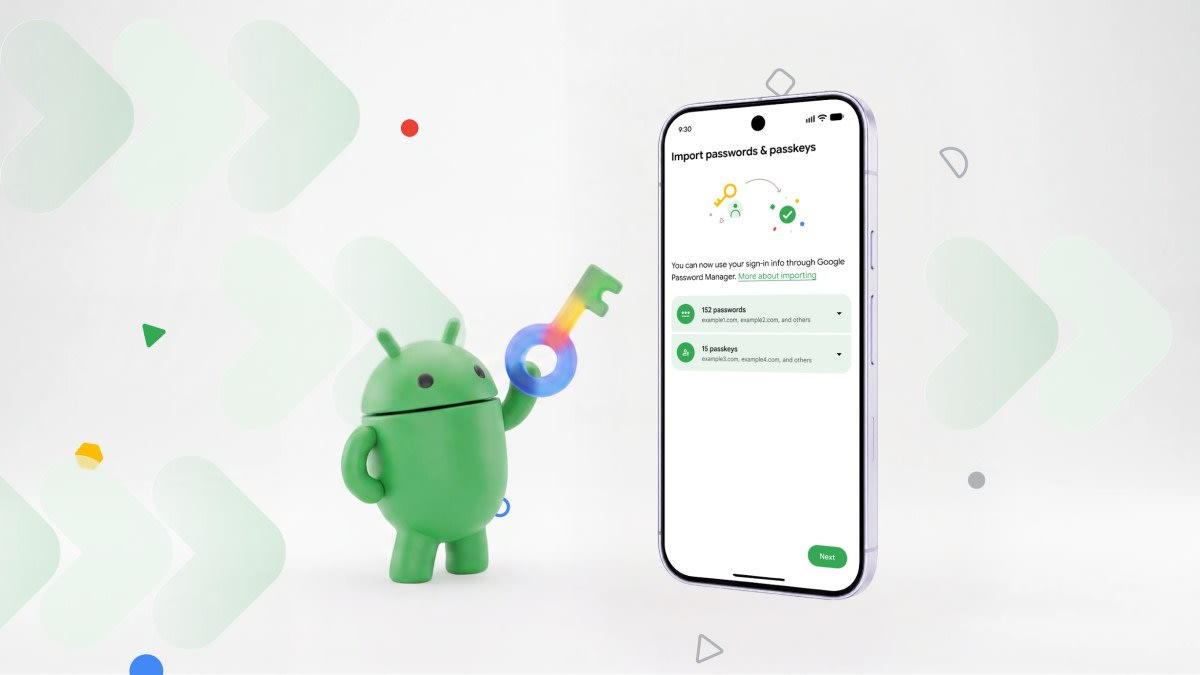
Google has launched a new, seamless feature on Android that allows users to transfer passwords and passkeys between password managers without manual CSV imports. This update aims to simplify credential management, though adoption currently depends on developer support.
Google Simplifies Credential Portability on Android
Google has officially introduced a streamlined mechanism for Android users to migrate their sensitive login data between different password manager applications. Traditionally, moving credentials from one service to another was a cumbersome process often requiring the export and manual import of insecure CSV files. By automating this transfer directly within the Android operating system, Google is addressing a significant friction point for users who prioritize digital security but find themselves locked into specific software ecosystems.
How the New Transfer Mechanism Works
The architecture of this new feature is designed for both security and user convenience. Rather than exposing data to cloud-based middle-men, the process occurs locally on the user's device. When a user initiates an import within their new password manager, the Android OS acts as a secure coordinator. It detects the presence of the existing manager, authenticates the request, and presents the user with an interface to review and approve the specific data being migrated. This ensures that the user maintains complete oversight of their credential vault throughout the transition.
The Importance of Passkey Support
One of the most critical aspects of this update is the inclusion of passkey support. As the industry shifts away from traditional alphanumeric passwords toward cryptographically backed passkeys, the ability to transfer these credentials without re-authenticating every individual account is vital. By allowing passkeys to move seamlessly between managers, Google is helping to future-proof its ecosystem, ensuring that the transition to more secure, phishing-resistant login methods does not become a technological burden for the end-user.
Addressing the Complexity of Digital Identity
In an era where complex, unique passwords are a non-negotiable requirement for basic cyber hygiene, the reliance on password managers has grown exponentially. However, user retention for these services has often been driven by the 'pain' of migration rather than the quality of the service itself. By lowering the barrier to switching, Google is fostering a more competitive market where password manager developers must innovate and improve their offerings to retain users, rather than relying on the difficulty of data portability to maintain their customer base.
Limitations and Future Outlook
While this development is a major step forward for digital interoperability, it is currently constrained by the number of third-party applications that support the new framework. Google has indicated that app support is currently slim, and developers must actively integrate this feature into their respective platforms for it to function correctly. As more password manager providers adopt this standard, we can expect a more fluid experience, potentially reducing the reliance on manual entry and improving the overall security posture of the average Android user.
Multiple Citing Sources