Elon Musk’s record election bet backfired. The backlash may reach beyond one billionaire
Source Entity
US Top News and Analysis
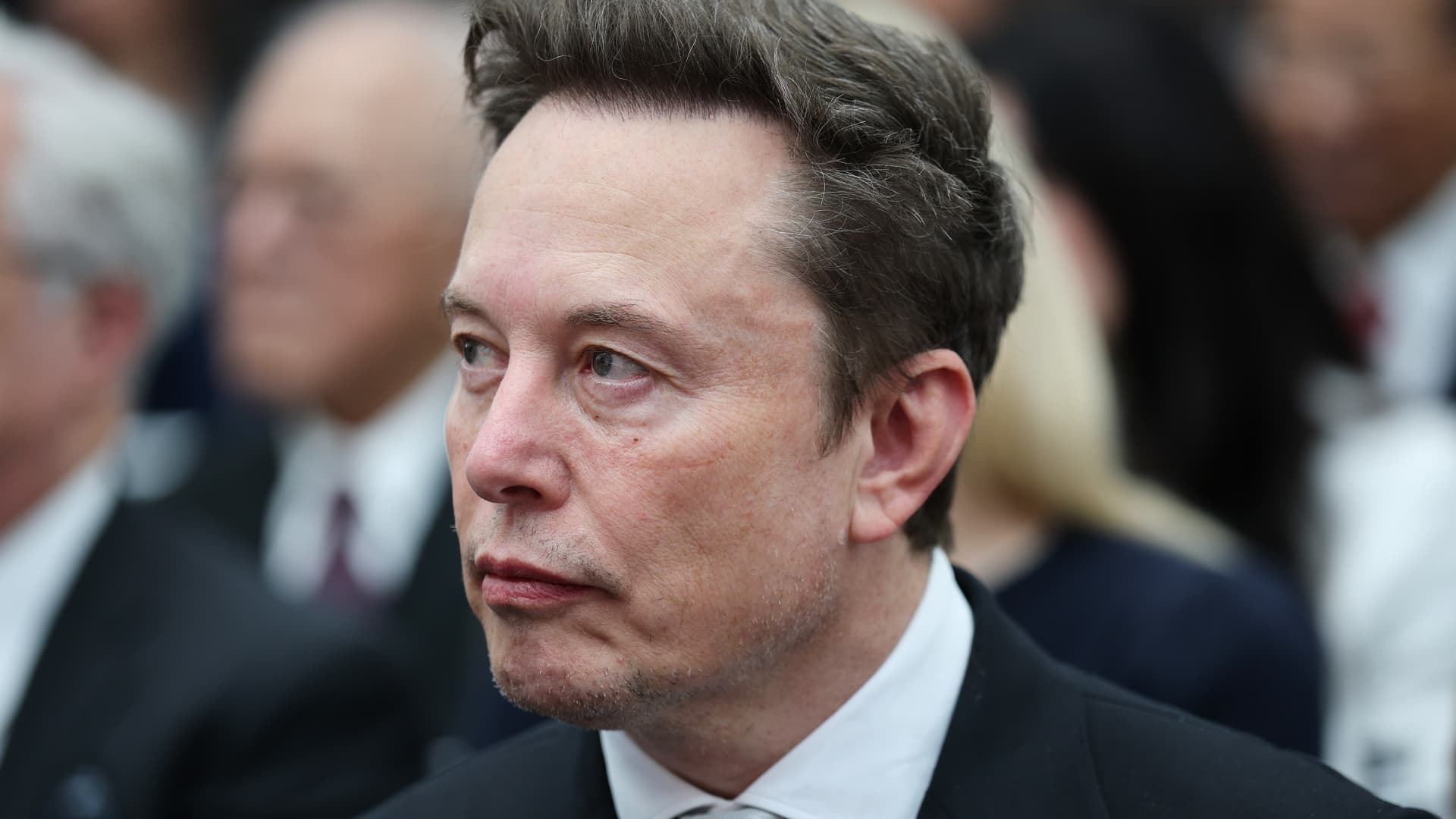
Elon Musk's record $474 million investment in the mid-term elections failed as Democratic victories swept through Texas and beyond. Following the defeat, Musk faced intense political and environmental scrutiny, prompting him to pivot his rhetoric toward space-based data infrastructure.
The Collapse of a Billion-Dollar Political Gamble
The recent U.S. mid-term elections culminated in a seismic political shift, marked by a sweeping Democratic victory that serves as a direct rebuke to the influence of tech moguls in American governance. Elon Musk, the CEO of Tesla and SpaceX, emerged as the most prominent casualty of this electoral cycle. After funneling an unprecedented $474 million into supporting Republican candidates—with a staggering $224 million concentrated specifically on Texas-based efforts—Musk saw his favored candidates, including Ken Paxton and Governor Greg Abbott, suffer decisive defeats. This outcome has effectively dismantled the political firewall Musk sought to build around his vast industrial empire.
The Texas Empire Under Siege
For years, Musk’s operations in Texas have benefited from a favorable regulatory environment and political patronage. However, the Democratic wave has fundamentally altered the power dynamics in the state. With the election results finalized, Musk’s Texas-based infrastructure, ranging from Tesla manufacturing facilities to expansive data center projects, now faces a hostile legislative climate. Democratic leaders have signaled their intent to place the billionaire's business dealings under intense scrutiny, particularly regarding the debt-fueled expansion of data centers that have become a focal point of the state's energy and land-use debates.
Scrutiny of the AI and Data Infrastructure Boom
The election results were not merely a rejection of specific candidates, but a broader referendum on the unchecked growth of the artificial intelligence industry. The rapid proliferation of massive data centers, which consume vast amounts of electricity and water, has become a central point of contention. As regulators and environmental advocates push back against the environmental impact of these facilities, Musk and other tech titans—including those at Google, Amazon, and Meta—find themselves on the defensive. The democratic shift suggests that the era of unfettered industrial expansion for AI infrastructure may be coming to an abrupt end.
The Pivot to 'Space' as a Refuge
In the immediate aftermath of the election, Musk’s reaction was characteristically unconventional. Taking to social media, he quipped about his failed "election-interfering space lasers" and issued a call to "let's go to Space" directed at major tech firms. This rhetoric serves as both a deflective mechanism for his political losses and a potential strategic pivot. By suggesting that data centers be moved to space, Musk is attempting to circumvent the terrestrial environmental and regulatory hurdles that are currently threatening his domestic operations. Whether this is a serious proposal or a cynical reaction to his loss remains a subject of intense debate among industry analysts.
Broader Implications for Tech and Democracy
The defeat of Musk’s political agenda highlights a growing public apprehension regarding the convergence of corporate wealth and political interference. When a single individual spends nearly half a billion dollars to influence the democratic process and fails, it invites a re-evaluation of campaign finance laws and the role of tech CEOs in shaping national policy. As the dust settles, the focus will likely remain on whether this election marks a lasting change in the relationship between Silicon Valley and Washington, or if it is merely a temporary setback for the titans of industry.
Conclusion: A New Era of Oversight
Ultimately, the 2026 mid-term results represent a significant turning point. Elon Musk’s loss is not just a financial deficit of nearly $500 million; it is a loss of political capital that has left his Texas empire vulnerable. As the new administration prepares to take office, the intersection of AI development, environmental policy, and corporate influence will be the defining battleground of the coming years. Musk’s attempt to retreat into the domain of space may be a symbolic gesture, but the terrestrial challenges facing his companies are very much grounded in the reality of the new political landscape.