These emerging markets are favored to get 'a wall of money' from carry trades
Source Entity
US Top News and Analysis
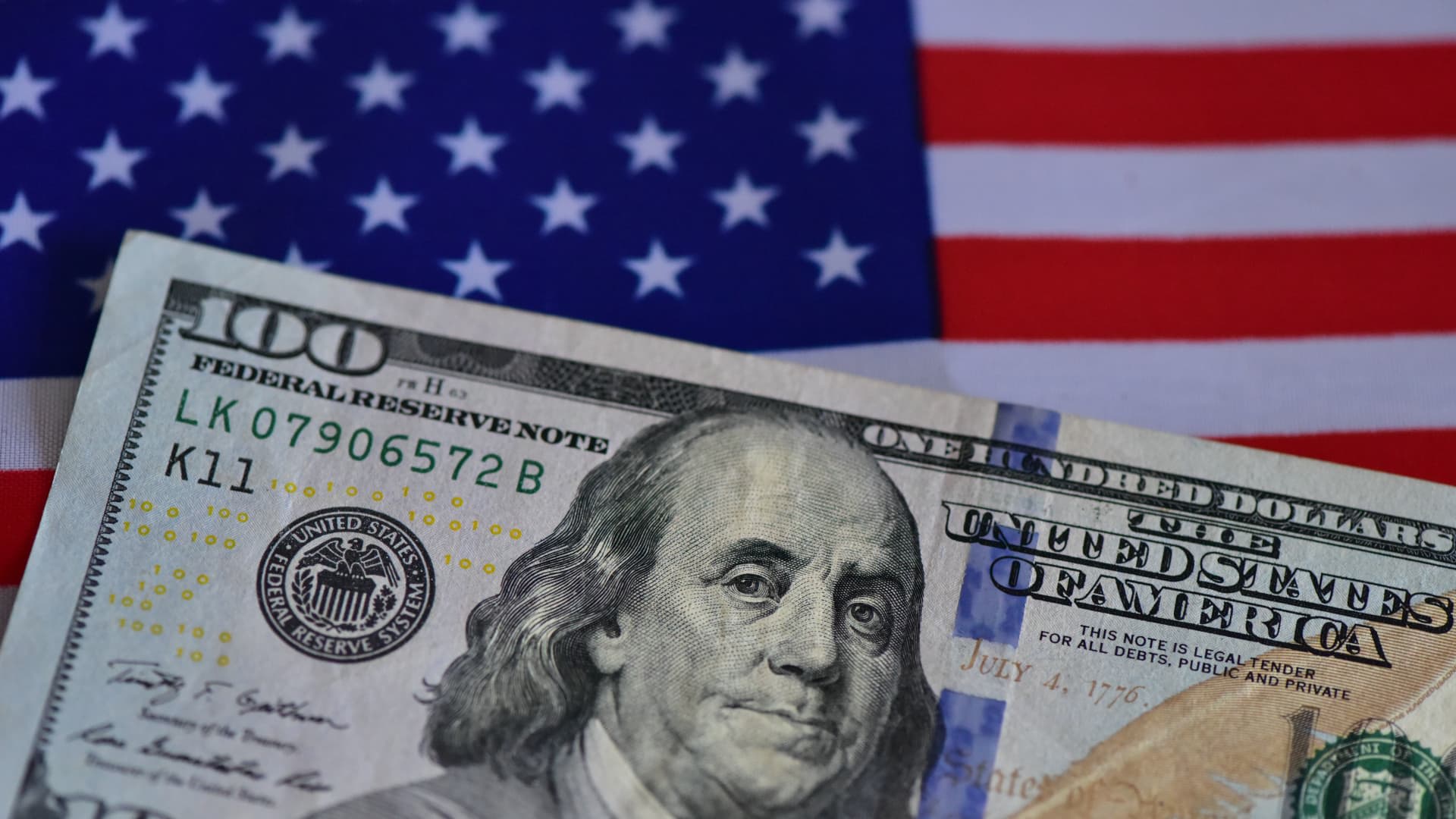
Analysts predict a surge of capital into emerging markets as U.S. Treasury bond buybacks weaken the dollar. This shift follows strategic debt management moves by Treasury Secretary Scott Bessent to stabilize long-term yields.
The Shift Toward Emerging Markets: A New Financial Paradigm
Recent shifts in U.S. monetary policy, specifically the Treasury Department's decision to aggressively expand its bond buyback programs, have created significant ripples in global financial markets. As Treasury Secretary Scott Bessent moves to mitigate the pressure on long-term government debt yields—which had climbed amid persistent inflation and fiscal concerns—the resulting depreciation of the U.S. dollar is inadvertently opening doors for emerging economies. This policy pivot is being viewed by global analysts as a catalyst for a potential 'wall of money' flowing into developing nations.
The Mechanics of the Carry Trade
The current financial climate is heavily influenced by the resurgence of carry trades, a strategy where investors borrow in currencies with low interest rates to invest in assets with higher yields. As the U.S. dollar weakens, the cost of servicing these dollar-denominated loans becomes more manageable, making emerging markets—which often offer higher interest rates and growth potential—highly attractive. This environment allows global capital to seek out higher returns that are increasingly difficult to secure in stagnant or over-leveraged developed economies.
Strategic Debt Management and Market Stability
The decision by the U.S. Treasury to double the buybacks of longer-dated government debt is a direct response to volatility in the bond market. By easing pressure on long-term yields, the Treasury aims to stabilize the domestic economic landscape. However, the international spillover is undeniable; as U.S. yields become less favorable, institutional investors are looking to diversify their portfolios to 'ride out the debt bonanza.' Emerging markets now serve as the primary destination for this capital reallocation.
Geopolitical Context and Economic Resilience
This influx of capital comes at a time when major emerging economies, such as those represented within the BRICS bloc, are actively seeking to strengthen their economic sovereignty. With leaders like Brazil’s President Luiz Inacio Lula da Silva advocating for deeper integration and financial independence, the arrival of foreign capital could provide a significant boost to infrastructure and industrial development. This trend signals a shift in how global investors perceive risk, moving away from a strictly U.S.-centric perspective toward a more diversified global outlook.
Future Trends and Market Predictions
Looking ahead, the sustainability of this capital flow will depend on the continued performance of emerging economies and their ability to absorb these inflows without triggering runaway inflation. If the U.S. dollar remains soft, the 'wall of money' predicted by experts like Robin Brooks of the Brookings Institution may lead to a sustained period of growth for developing markets. Investors are advised to monitor the balance between yield-seeking behavior and the inherent political risks associated with emerging market volatility.
Conclusion
The intersection of U.S. fiscal policy and global investment strategy has set the stage for a dramatic reallocation of wealth. While the Treasury's buyback program was designed for domestic stability, its global impact is undeniable, empowering emerging markets to attract the investment necessary for their next phase of growth. This transition represents a significant evolution in international finance that will likely define the market landscape for the coming fiscal year.