The engine parts that 'fight the laws of the universe'
Source Entity
BBC News
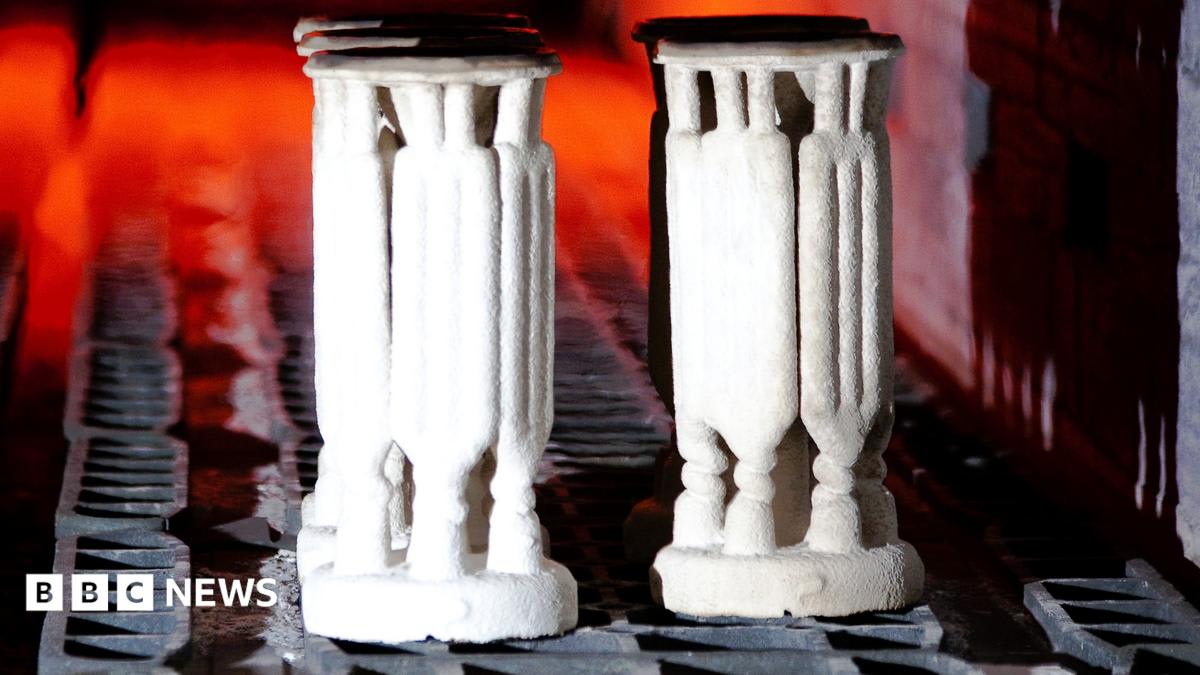
Investment is surging into the production of advanced jet turbine blades that withstand extreme temperatures. These components are grown as single crystals, representing a critical engineering marvel in modern aviation.
The Engineering Marvel of Jet Turbine Blades
Modern aviation relies on a silent, hidden miracle occurring within the heart of jet engines. While passengers experience the comfort of flight, hundreds of turbine blades within the nacelle are subjected to conditions that push the limits of material science. These components must endure extreme mechanical stresses while operating in temperatures exceeding 1,500C—environments that would liquefy most standard structural metals.
The Shift Toward Specialized Manufacturing
Recognizing the critical role these components play in safety and efficiency, the aerospace sector has seen a surge in investment dedicated to the manufacturing of these turbine blades. Because these blades are tasked with "fighting the laws of the universe" through extreme heat resistance and structural integrity, they are considered one of the most difficult components to produce in modern manufacturing. The high capital influx indicates a strategic shift toward perfecting the metallurgy required for next-generation engines.
The Science of 'Growing' Metal
Unlike traditional mechanical parts that are sculpted, milled, or cut from a block of material, these turbine blades are essentially grown. This sophisticated process, pioneered in the 1960s, involves taking a molten metal alloy and casting it into the precise shape of a blade. The secret to their durability lies in the cooling process, where engineers control the solidification of the metal from one end to the other over many hours.
Single-Crystal Advantage
This deliberate, slow-cooling technique results in the formation of a single crystal or grain of metal alloy. By avoiding the formation of multiple grain boundaries—which would be akin to a "mini blizzard" of smaller crystals—engineers create a structure that is far more resistant to thermal creep and fatigue. It is comparable to turning a cup of water into one singular, perfect snowflake of a specific design, ensuring that the blade maintains its structural integrity under the intense heat of a jet engine.
Broader Implications and Future Trends
As the aviation industry pushes for higher engine temperatures to increase fuel efficiency and reduce carbon emissions, the role of these single-crystal blades becomes even more vital. The ongoing investment suggests that the industry is not just refining current methods but is on the cusp of discovering even more resilient superalloys. The ability to master the atomic structure of these materials will remain the primary differentiator in the competitive global aerospace market, defining the future of long-haul and high-performance flight.