Come for ENIAC, Stay for UNIVAC and Skeduflo
Source Entity
Hacker News
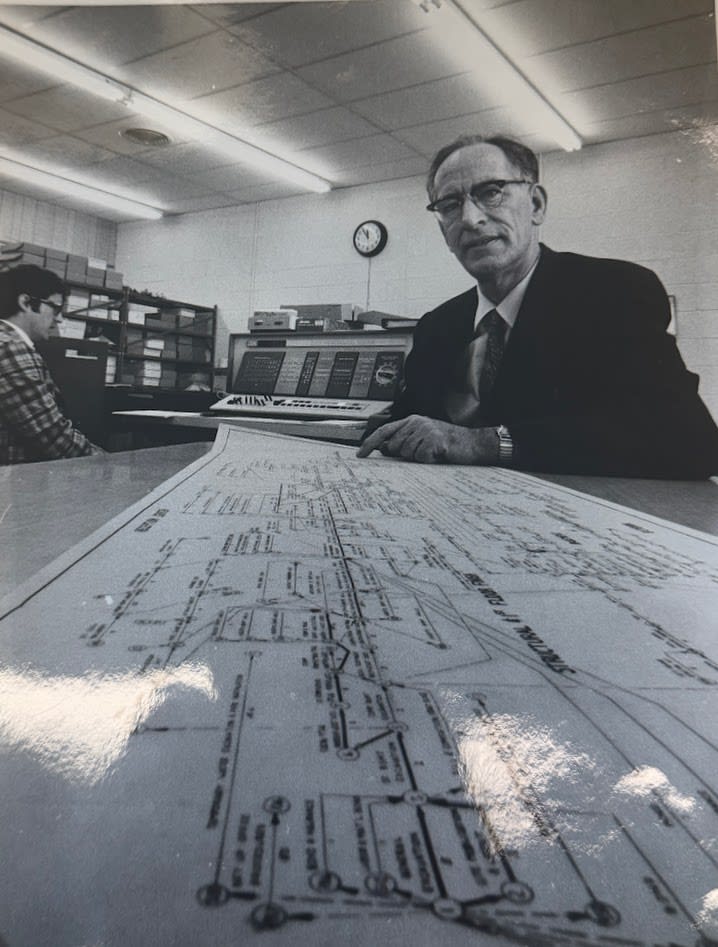
The ENIAC, created by John Mauchly and J. Presper Eckert in 1946, marked the dawn of the electronic computing era. This innovation paved the way for future systems like UNIVAC and redefined modern problem-solving.
The Dawn of Electronic Computation: From ENIAC to the Modern Era
In the early 1940s, the concept of a general-purpose electronic computer existed only in the realm of theoretical imagination. While today’s landscape is saturated with ubiquitous computing devices—from smartphones to high-performance workstations—the era of John Mauchly and J. Presper Eckert was defined by a complete absence of such technology. The invention of the Electronic Numerical Integrator and Computer (ENIAC) at the University of Pennsylvania in 1946 represents the pivotal moment when abstract mathematics met applied engineering to birth the modern digital age.
The Engineering Genesis of ENIAC
Developed during the height of World War II, the ENIAC was not merely an incremental improvement on existing calculators; it was a radical departure from mechanical systems. Mauchly and Eckert’s vision required a synthesis of advanced electronics and rigorous mathematical frameworks. By utilizing vacuum tubes to perform high-speed calculations, they created a machine that could handle complex ballistics trajectories and scientific problems that were previously unsolvable by human teams or manual gear-based machines.
Transitioning to Commercial Viability: UNIVAC and Beyond
Following the successful implementation of ENIAC, the trajectory of computing shifted toward commercial scalability. The transition from the laboratory-born ENIAC to systems like the UNIVAC (Universal Automatic Computer) highlights the rapid evolution of technology from military-specific applications to broader industrial use. This progression established the foundation for the software and hardware architectures that would eventually enable the digital workspace described in current archival records.
The Broader Implications for Modern Society
Reflecting on the current state of technology, where individuals are surrounded by multiple computing devices simultaneously, underscores the profound impact of Mauchly and Eckert’s work. The transition from a single, room-sized machine to the miniaturized power of modern smartphones is a testament to the accelerated pace of innovation triggered by the ENIAC. The 'will to solve problems' that drove these inventors remains the core ethos of the global tech industry today.
Historical Context and Future Trends
Historical archives, such as those found in Ms. Coll. 925, serve as a critical reminder of the humble, complex beginnings of digital infrastructure. As we look toward future trends in computing—including quantum processing and artificial intelligence—it is essential to recognize that these advancements are built upon the architectural principles established in 1946. The evolution from ENIAC to the present day illustrates that the most significant technological leaps are often born from the necessity to solve the most pressing challenges of their time.
Conclusion
The legacy of ENIAC remains deeply embedded in every facet of our digital existence. By documenting the shift from the mechanical age to the electronic age, we gain a clearer understanding of how computing has evolved from a niche scientific experiment into the universal tool that powers global civilization. The vision of Mauchly and Eckert continues to serve as the blueprint for current and future computational breakthroughs.