Did Jack Smith go to Atlanta Hawks game to meet Fani Willis? Eric Schmitt's mixes up teams at testimony
Source Entity
Latest News: Todays Latest News Headlines from India & World | Hindustan Times | Hindustan Times
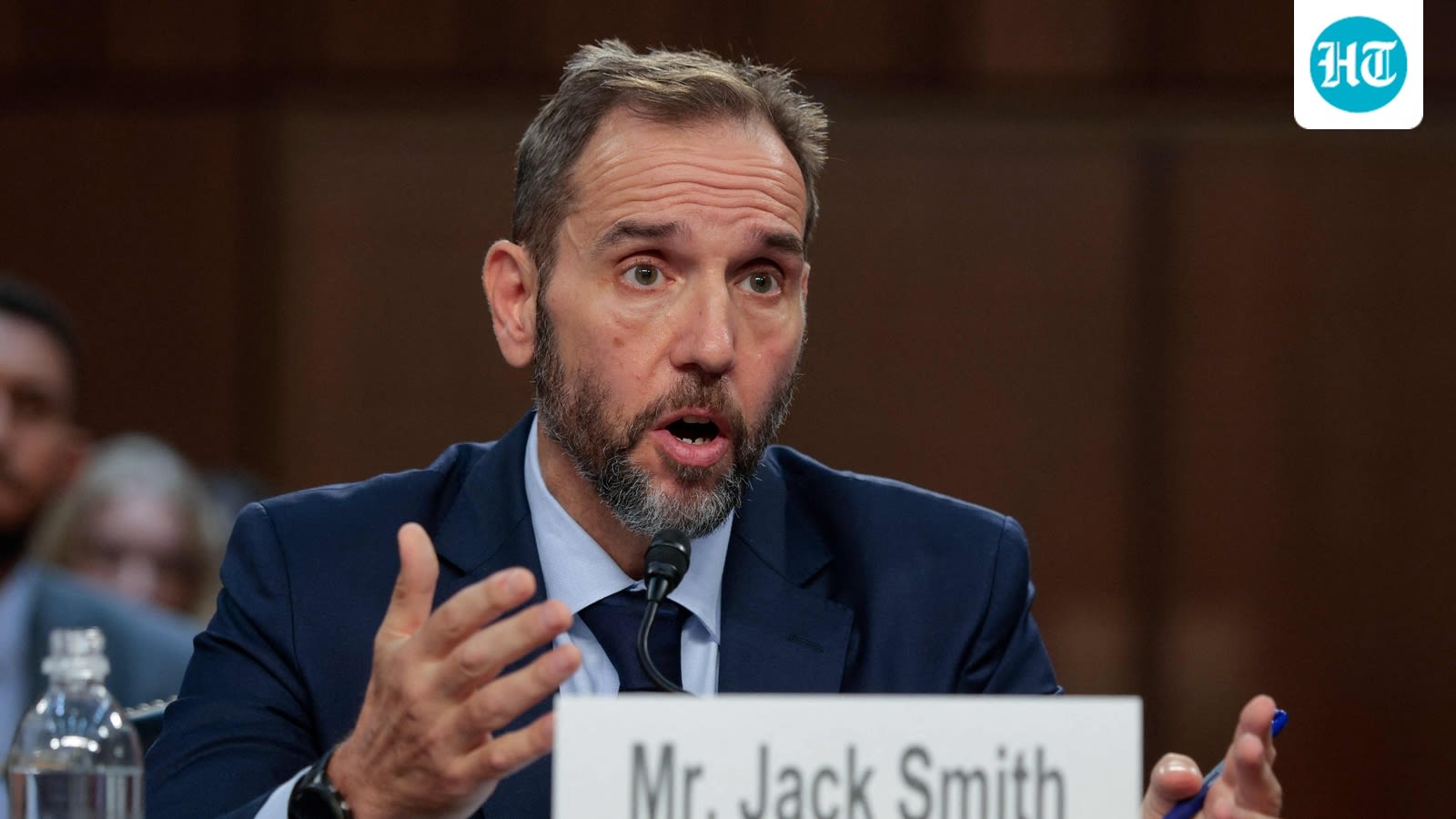
During a Senate Judiciary Committee hearing, Senator Eric Schmitt incorrectly accused Special Counsel Jack Smith of meeting Fani Willis at an Atlanta Hawks game. Senator Amy Klobuchar corrected the record, clarifying that Smith had attended an Iowa Hawkeyes game instead.
The Intersection of Oversight and Misinformation in the Senate
Recent testimony before the Senate Judiciary Committee took an unexpected and politically charged turn when Senator Eric Schmitt of Missouri attempted to scrutinize the actions of former Special Counsel Jack Smith. Smith, who led the high-profile federal criminal investigation into former President Donald Trump, appeared before the committee to address oversight concerns regarding his office's conduct. The hearing, intended to focus on the procedural integrity of the prosecution, instead became a focal point for partisan questioning regarding Smith’s personal movements and potential associations with other legal figures.
The Allegation: A Question of Intent
During the proceedings, Senator Schmitt leveled a specific accusation against Smith, suggesting that his presence at an Atlanta Hawks basketball game was not merely for leisure but served as a clandestine pretext to meet with Fulton County District Attorney Fani Willis. Willis, who has spearheaded a separate state-level prosecution against Donald Trump, has been a frequent target of criticism from Republican lawmakers. By attempting to link Smith’s attendance at the sporting event to a meeting with Willis, Schmitt sought to imply potential coordination or improper communication between federal and state-level prosecutors tasked with investigating the same subject.
Correcting the Record: Facts vs. Narrative
The line of questioning was abruptly interrupted when Senator Amy Klobuchar intervened to provide a factual correction. Klobuchar clarified that the sporting event in question was not an Atlanta Hawks game, but rather an Iowa Hawkeyes game. This correction fundamentally dismantled the premise of Schmitt’s line of inquiry, highlighting the risks of relying on unverified or conflated information during high-stakes legislative oversight hearings. The discrepancy between the teams—an NBA franchise versus a collegiate athletic program—illustrates the challenges of maintaining objective discourse in an increasingly polarized political environment.
The Broader Implications of Oversight
The incident underscores the intense scrutiny surrounding the legal proceedings involving former President Trump. As the Special Counsel’s office faces rigorous questioning from members of Congress, every move by the prosecution is being analyzed for signs of bias or external collaboration. The attempt to manufacture a narrative around Smith’s social attendance demonstrates how legislative hearings are often used as theaters for political messaging, where the goal is frequently to undermine the credibility of the judicial process rather than to extract substantive policy information.
Historical Context and Future Trends
Historically, Senate Judiciary Committee hearings serve as a vital check on the executive branch and the Department of Justice. However, the modern era has seen an increase in "gotcha" style questioning that prioritizes viral moments over administrative oversight. This trend suggests that future testimony from high-profile figures will likely be characterized by similar attempts to find procedural "smoking guns" in mundane activities. As the legal battles surrounding Donald Trump continue to unfold, the tension between legitimate oversight and partisan obstructionism is expected to intensify, further straining the relationship between the legislative and judicial branches of the United States government.
Verification Required?