Supreme Court seeks Registry note on why CAPF officers’ case was struck off Tuesday’s cause list despite judicial order
Source Entity
India Latest News: Top National Headlines Today & Breaking News | The Hindu
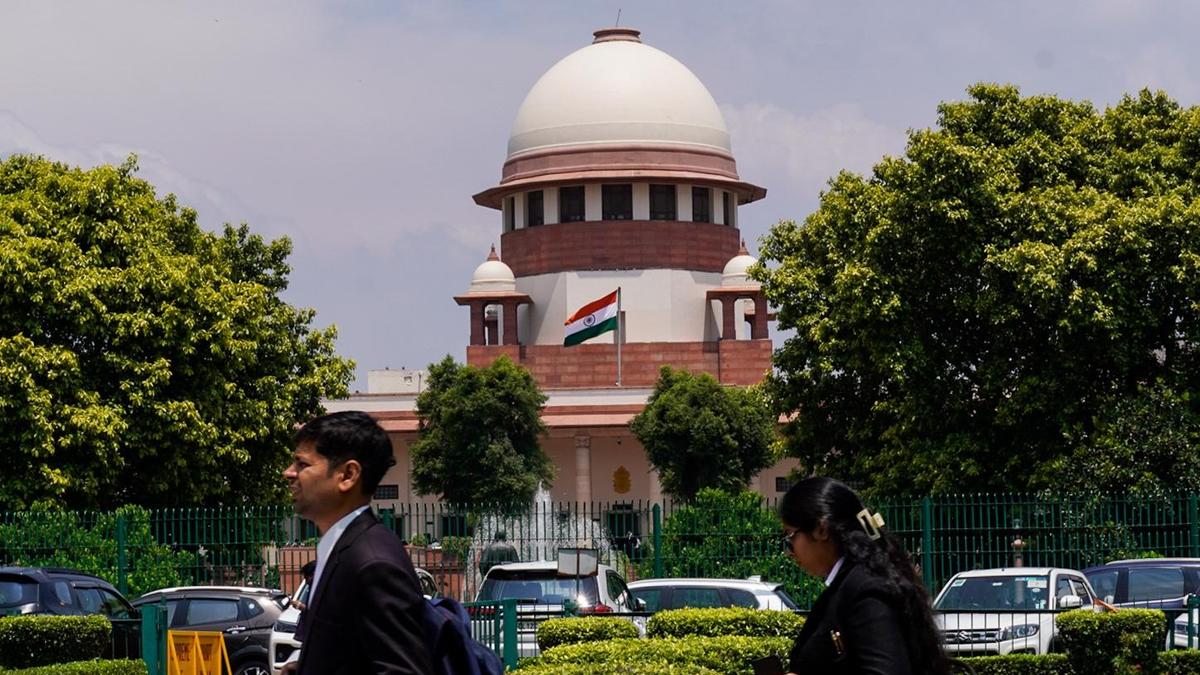
The Supreme Court has demanded an explanation from its Registry for the unauthorized removal of a contempt petition regarding CAPF officer appointments from the cause list. The case concerns the government's delay in implementing a May 2025 ruling to limit IPS deputations in paramilitary forces.
Judicial Oversight and Administrative Accountability
The Supreme Court of India, represented by a Bench comprising Justices Ujjal Bhuyan and Atul S. Chandurkar, has taken a firm stance regarding the administrative irregularities within its own Registry. By demanding a formal explanation as to why a contempt petition was summarily struck off the cause list despite a direct judicial order, the Court is asserting its authority over the procedural mechanics that govern the flow of litigation. This intervention highlights the critical tension between judicial directives and administrative execution.
The Core Conflict: CAPF Leadership and IPS Deputation
The underlying litigation involves a contempt petition filed by retired officers of the Central Armed Police Forces (CAPFs). At the heart of the dispute is the government's alleged failure to fully implement a pivotal May 2025 Supreme Court judgment. This ruling sought to address long-standing grievances regarding the excessive deputation of Indian Police Service (IPS) officers to senior leadership roles within the CAPFs. The petitioners argue that the current appointment structures stifle the career progression of cadre officers who have dedicated their lives to these forces.
Procedural Hurdles and Judicial Frustration
This case has faced repeated logistical challenges, notably on September 22, when the Bench could not hear the matter due to a lack of time. Following that delay, the Court explicitly ordered the case to be listed at 2 p.m. on September 29, granting respondents additional time to file corrected affidavits. The subsequent removal of the case from the cause list is viewed as a significant procedural lapse, which has prompted the Bench to demand accountability from the Registry to ensure that judicial mandates are not undermined by clerical or administrative errors.
Broader Implications for Administrative Reform
The persistence of the Supreme Court in this matter underscores the gravity of the issues surrounding CAPF leadership. The May 2025 judgment was intended to harmonize the command structure of paramilitary forces by curbing the reliance on external deputation, thereby promoting internal professional growth. The government’s struggle to implement these changes reflects a broader challenge in balancing administrative convenience with the rights and morale of career officers who serve in the nation's primary security apparatus.
Future Trends and Judicial Monitoring
By rescheduling the matter for September 30, the Court has signaled its intent to maintain strict oversight of the implementation process. The Registry’s forthcoming explanation will be pivotal in determining whether the removal was an isolated administrative oversight or indicative of deeper issues within the court's case management system. Moving forward, the Court’s continued involvement suggests that it will not permit administrative delays to impede the execution of its substantive rulings on paramilitary cadre issues.
Verification Required?