New NCERT Social Science text replaces European revolutions with resistance movements in medieval India
Source Entity
India Latest News: Top National Headlines Today & Breaking News | The Hindu
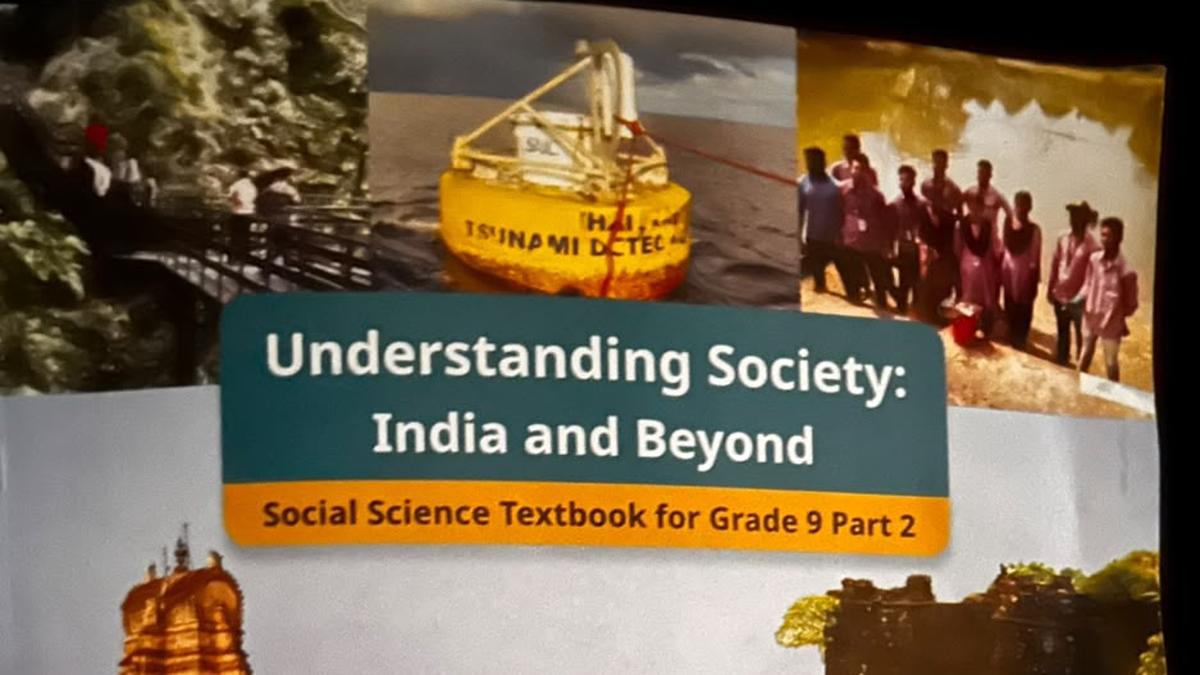
NCERT has updated its Class 9 Social Science curriculum to replace European history with a focus on medieval Indian resistance and spiritual traditions. The new textbook highlights regional figures and narratives of sovereignty, sparking debate over the shift in educational priorities.
A Paradigm Shift in Indian Historical Pedagogy
The National Council of Educational Research and Training (NCERT) has initiated a significant overhaul of the secondary school curriculum with the release of the new Class 9 textbook, Understanding Society: India and Beyond - Part Two. By removing foundational chapters on the French and Russian revolutions, the Council is signaling a departure from Eurocentric historical frameworks toward a curriculum centered on the Indian subcontinent’s internal dynamics between the 11th and 17th centuries.
Prioritizing Indigenous Sovereignty and Resistance
A core pillar of this new pedagogical approach is the documentation of armed resistance movements against foreign invasions. The text emphasizes how India's historical wealth served as a catalyst for expansionist interest, framing the period between 1,000 and 1,700 not merely as a timeline of conquest, but as an era of persistent resilience. By highlighting the roles of the Sikhs, Jats, Rajputs, and Ahoms, the curriculum seeks to instill a deeper understanding of regional agency and the defense of sovereignty against external pressures.
Integrating Spiritual Narratives into History
Beyond military history, the textbook delves into the cultural and spiritual evolution of India during the medieval period. The inclusion of the Bhakti tradition illustrates a profound transformation in the religious landscape of the subcontinent. Notably, the text incorporates historical accounts—or belief systems—concerning rulers such as Annamaraja of Bastar, Kumara Kampana of the Vijayanagara Empire, and Chhatrapati Shivaji. By documenting the cultural narrative that these leaders received their swords from goddesses, the text bridges the gap between historical governance and the deeply rooted spiritual traditions of the era.
Administrative Timing and Academic Implementation
The release of this material in late September 2026, roughly six months into the academic year, presents logistical challenges for the educational ecosystem. With many schools nearing the completion of their half-yearly examination cycles, the integration of Understanding Society — Part Two necessitates a rapid adaptation by both educators and students. The phased rollout, following the June release of Part One, suggests a deliberate, albeit compressed, transition in the national secondary education syllabus.
Broader Implications and Future Trends
This shift in focus by the NCERT reflects a broader trend in Indian educational policy aimed at decolonizing the history syllabus and fostering a stronger sense of national identity. By emphasizing indigenous power structures and the spiritual foundations of leadership, the curriculum moves away from global political theories toward a localized, culturally-specific historical perspective. Critics and proponents alike will likely continue to debate whether this exclusion of global milestones like the French and Russian revolutions limits a student's broader worldview, or if it provides a necessary rectification to an overly Western-centric historical narrative.
Conclusion
Ultimately, the new NCERT Class 9 textbook represents a landmark moment in the ongoing evolution of Indian school education. By anchoring the narrative in the resilience of regional kingdoms and the spiritual ethos of the Bhakti movement, the Council has redefined the priorities for the next generation of learners. As schools begin to incorporate these chapters, the long-term impact on students' historical consciousness remains a subject of significant national interest.
Verification Required?