Supreme Court Rejects Plea Against SIR Ahead Of West Bengal Bypolls
Source Entity
NDTV News Search Records Found 1000
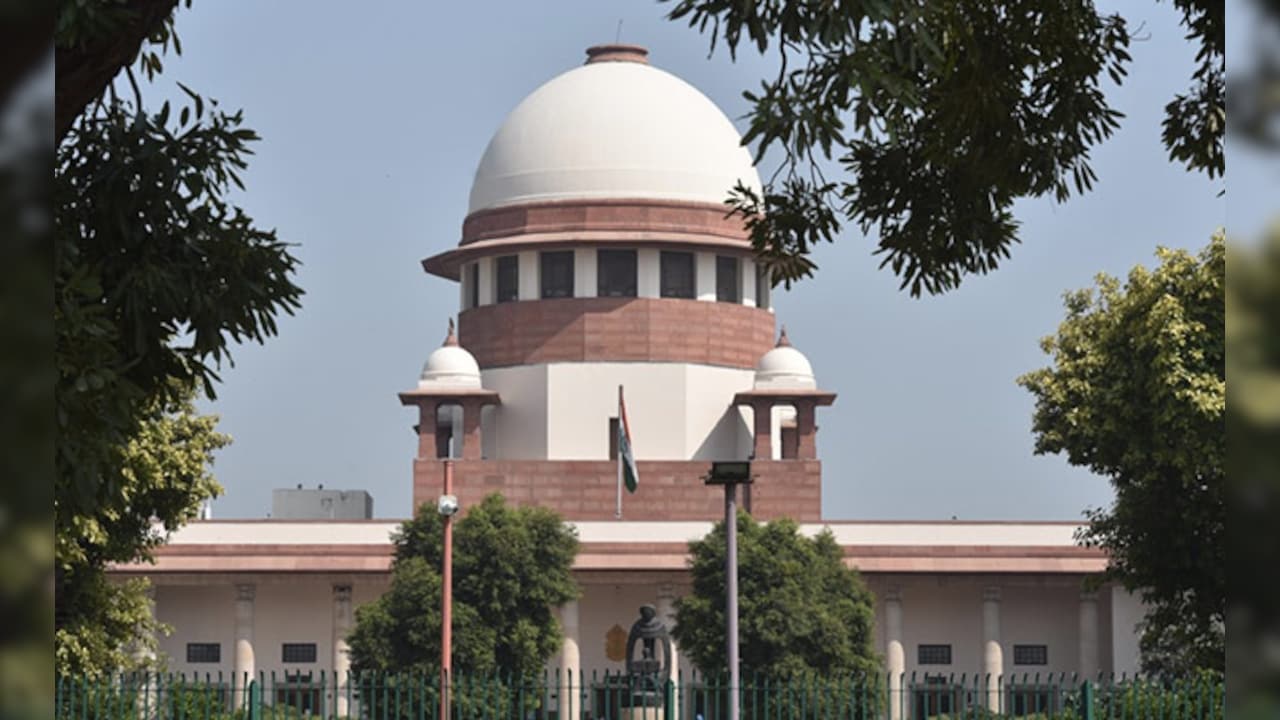
The Supreme Court has dismissed a challenge against the Special Intensive Revision (SIR) of electoral rolls in West Bengal. This decision comes as the state prepares for upcoming bypolls, despite earlier concerns regarding over 6 million objections raised during the revision process.
Supreme Court Upholds Electoral Revision Process in West Bengal
The Judicial Decision
The Supreme Court of India has formally rejected a plea challenging the Special Intensive Revision (SIR) of electoral rolls in West Bengal. This legal development arrives at a critical juncture, as the state gears up for upcoming by-elections. By dismissing the petition, the apex court has effectively cleared the path for the Election Commission of India (ECI) to proceed with the current voter list, ensuring that the administrative timeline for the bypolls remains undisturbed.
Context of the SIR Process
The Special Intensive Revision is a rigorous mechanism employed by the Election Commission to maintain the integrity of the electoral roll. In the context of West Bengal, the process became a point of contention due to the scale of objections filed. Specifically, over 6 million names were flagged during this revision cycle. Such a high volume of objections highlights the intense scrutiny placed on voter registration data, reflecting both the complexity of tracking population movement and the heightened political stakes inherent in the state's electoral climate.
Procedural Integrity vs. Political Concerns
The dispute centered on whether the SIR process was conducted with sufficient transparency and accuracy given the massive number of objections. Critics of the process argued that the sheer volume of flagged entries necessitated a deeper judicial intervention to prevent potential disenfranchisement or the inclusion of ineligible voters. However, the Supreme Court's refusal to intervene suggests a reliance on the existing statutory mechanisms of the ECI, which are designed to address such grievances through administrative appeals rather than immediate judicial stay orders.
Implications for Upcoming Bypolls
With the legal challenge now set aside, the focus shifts entirely to the electoral battleground. The stability of the electoral roll is a cornerstone of democratic legitimacy; therefore, the court’s decision provides a definitive baseline for political parties to mobilize their support bases. The resolution of this legal hurdle prevents a last-minute disruption of the bypoll schedule, allowing the state to move forward with the democratic process as planned.
Broader Trends in Electoral Management
This case underscores a broader trend in Indian elections: the increasing legal oversight of electoral rolls. As political competition intensifies, the accuracy of voter lists becomes a frequent subject of litigation. The ECI’s reliance on the SIR process demonstrates a commitment to purging errors, yet the high number of objections in West Bengal serves as a reminder of the logistical challenges involved in managing one of the world's largest voter databases. Future election cycles will likely see continued reliance on technology to streamline these revisions, aiming to balance speed with precision.
Conclusion
In conclusion, the Supreme Court's dismissal of the plea against the SIR in West Bengal marks a significant moment for the upcoming bypolls. By upholding the integrity of the revision process despite the 6 million objections, the court has prioritized procedural consistency. As West Bengal prepares for the vote, the focus now returns to the political sphere, with the electoral roll now solidified as the official foundation for the democratic exercise.
Verification Required?