ESA targets Anbernic emulation handhelds as "superfake" piracy enablers
Source Entity
Kyle Orland
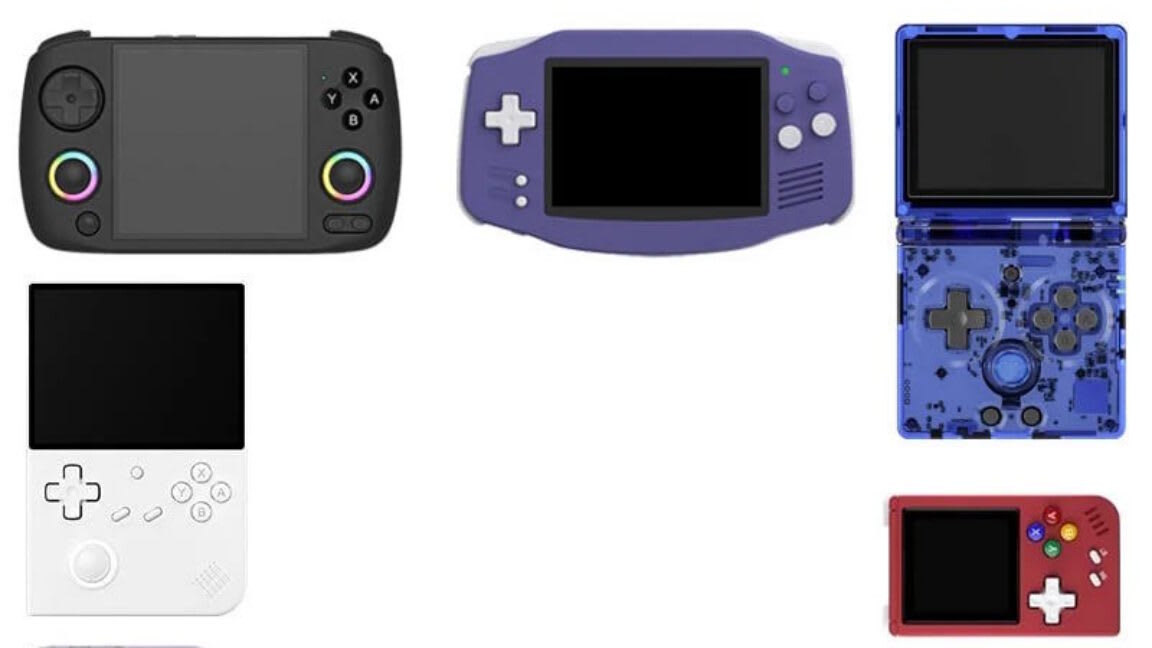
The Entertainment Software Association (ESA) has petitioned the USTR to label Anbernic a 'Notorious Market' for facilitating piracy. While Anbernic manufactures the hardware, the group highlights that these devices are frequently bundled with illicit ROM-filled SD cards by third-party sellers.
The ESA’s Crackdown on Retro Emulation Hardware
The Entertainment Software Association (ESA), representing industry giants like Nintendo, Microsoft, and Sony, has officially petitioned the U.S. Trade Representative (USTR) to categorize the Chinese hardware manufacturer Anbernic as a 'Notorious Market.' This designation is reserved for entities that engage in or facilitate substantial copyright piracy. The move signals a tightening grip from major publishers on the burgeoning market of retro-gaming handhelds, which have grown in popularity due to their ability to emulate classic titles.
The Role of Third-Party Distribution
While the ESA’s focus is on Anbernic, the reality of the supply chain is nuanced. As noted in the reported details, Anbernic itself primarily manufactures the hardware units, which are often marketed as Android-based emulation or streaming devices. The critical friction point lies in the distribution ecosystem; third-party resellers frequently bundle these devices with SD cards pre-loaded with thousands of copyrighted ROM files. This practice effectively transforms a piece of generic hardware into a dedicated piracy machine, drawing the ire of rights holders who view this as a direct threat to their intellectual property.
Broader Implications for the Emulation Market
This legal escalation carries significant weight for the wider retro-gaming hardware industry. For years, manufacturers in China have occupied a gray area, producing affordable devices capable of running legacy software. By targeting a major player like Anbernic, the ESA is sending a clear message to the broader industry that the 'pre-loaded' business model is no longer acceptable. The potential inclusion of Anbernic on the USTR’s 'Notorious Markets' list could result in increased scrutiny, customs hurdles, and a chilling effect on the availability of these devices within U.S. borders.
Historical Context of Digital Piracy
This conflict is the latest chapter in the long-standing battle between hardware manufacturers and software publishers regarding intellectual property. Historical precedents, such as the legal battles surrounding early mod-chips and console jailbreaking, demonstrate the industry's consistent effort to control the environment in which their software runs. The current situation differs, however, because the hardware is not designed solely for piracy, but rather for general-purpose emulation, which has legitimate uses in preserving software history.
Future Trends and Regulatory Outlook
Looking forward, we can expect a shift in how these devices are marketed and sold. Manufacturers may be forced to distance themselves from the third-party ecosystem that currently bundles their hardware with illicit content to avoid regulatory repercussions. If the USTR follows the ESA’s recommendation, it could set a precedent that forces hardware manufacturers to implement stricter controls or face exclusion from the American market. Ultimately, this serves as a reminder that as technology makes emulation more accessible, the legal friction surrounding digital ownership will only intensify.