The Escalation of War in Ethiopia
Source Entity
Hacker News
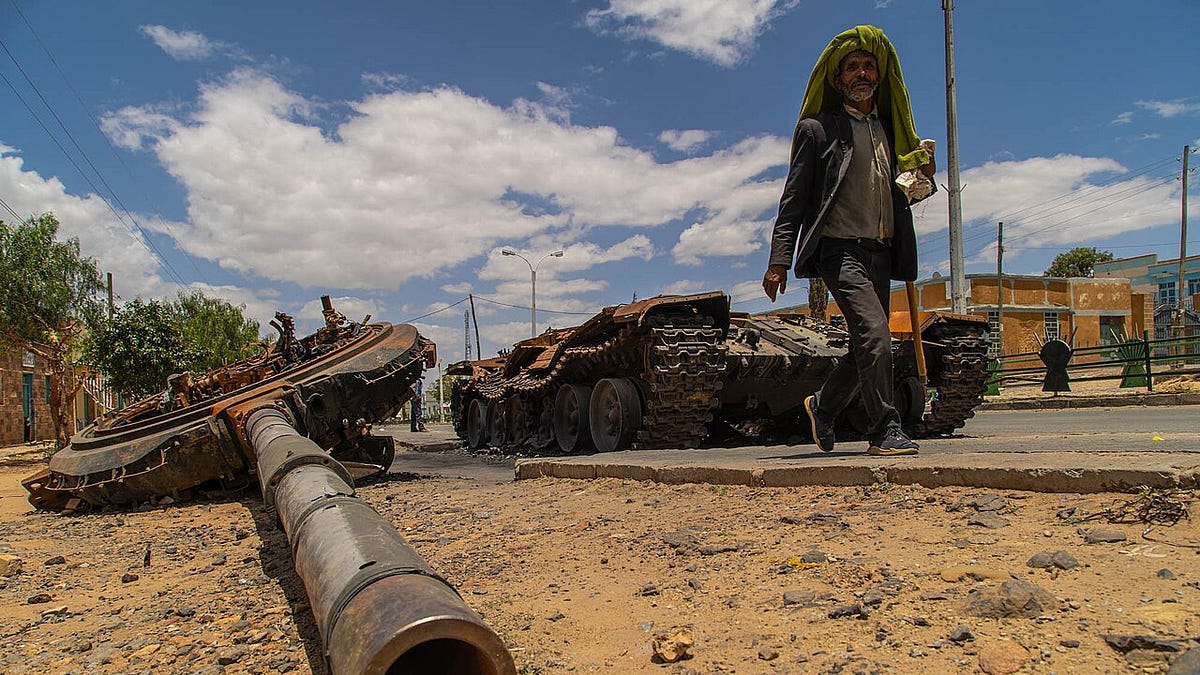
Northern Ethiopia is facing renewed large-scale conflict as the TPLF and Amhara Fano militias engage in hostilities against the federal government. This escalation marks a significant regression in regional stability, driven by long-standing historical grievances and political tensions.
The Resurgence of Conflict in Northern Ethiopia
Northern Ethiopia has once again descended into large-scale warfare, marking a volatile shift in the region's fragile security landscape. Following months of mounting friction, active hostilities broke out on September 23, signaling a departure from previous attempts at reconciliation. This escalation involves a complex web of actors, primarily centered on the Tigray People’s Liberation Front (TPLF) and Amhara Fano militias opposing the federal government and its allied Tigrayan forces.
Origins of the Current Hostilities
The current crisis is deeply rooted in historical grievances and the political ambitions of regional elites. The recent surge in violence was precipitated by ground assaults launched by the TPLF, which were reportedly coordinated with various rebel factions. This strategic decision to return to the battlefield suggests a breakdown in the political processes that were intended to stabilize the region following earlier periods of intense conflict.
The Role of Non-State Militias
A critical element in this escalation is the involvement of the Amhara Fano militias. Their alliance with the TPLF against the federal government represents a significant challenge to state authority. By aligning with former adversaries, these militias are complicating the federal government's efforts to maintain order, demonstrating how quickly shifting alliances can destabilize an already fractured geopolitical environment.
Broader Implications for Regional Stability
The impact of this renewed war extends far beyond the immediate combat zones. As federal forces struggle to contain the coordinated rebel offensives, the humanitarian and economic toll on the population is expected to rise sharply. The conflict underscores the persistence of 'wars of choice' within the region, where elite hubris often overrides the long-term necessity for peace and domestic stability.
Future Outlook and Policy Challenges
Looking ahead, the path toward a sustainable resolution appears increasingly narrow. The federal government faces the dual challenge of suppressing armed insurgencies while attempting to address the underlying political grievances that continue to fuel the TPLF and other rebel groups. Without a comprehensive framework for negotiation that includes all major stakeholders, the cycle of violence is likely to continue, further entrenching the divisions that have plagued the region for years.
Conclusion
In summary, the situation in Northern Ethiopia remains critical. The coordinated actions of the TPLF and the Fano militias have effectively shattered the tenuous calm that existed prior to September 23. As the conflict intensifies, the international community and regional actors must grapple with the reality that military solutions are failing to address the fundamental political fractures within the Ethiopian state.