HT at Esports World Cup 2026: Doors open for cricket, but ‘easy gold medal’ for India not enough incentive
Source Entity
Latest News: Todays Latest News Headlines from India & World | Hindustan Times | Hindustan Times
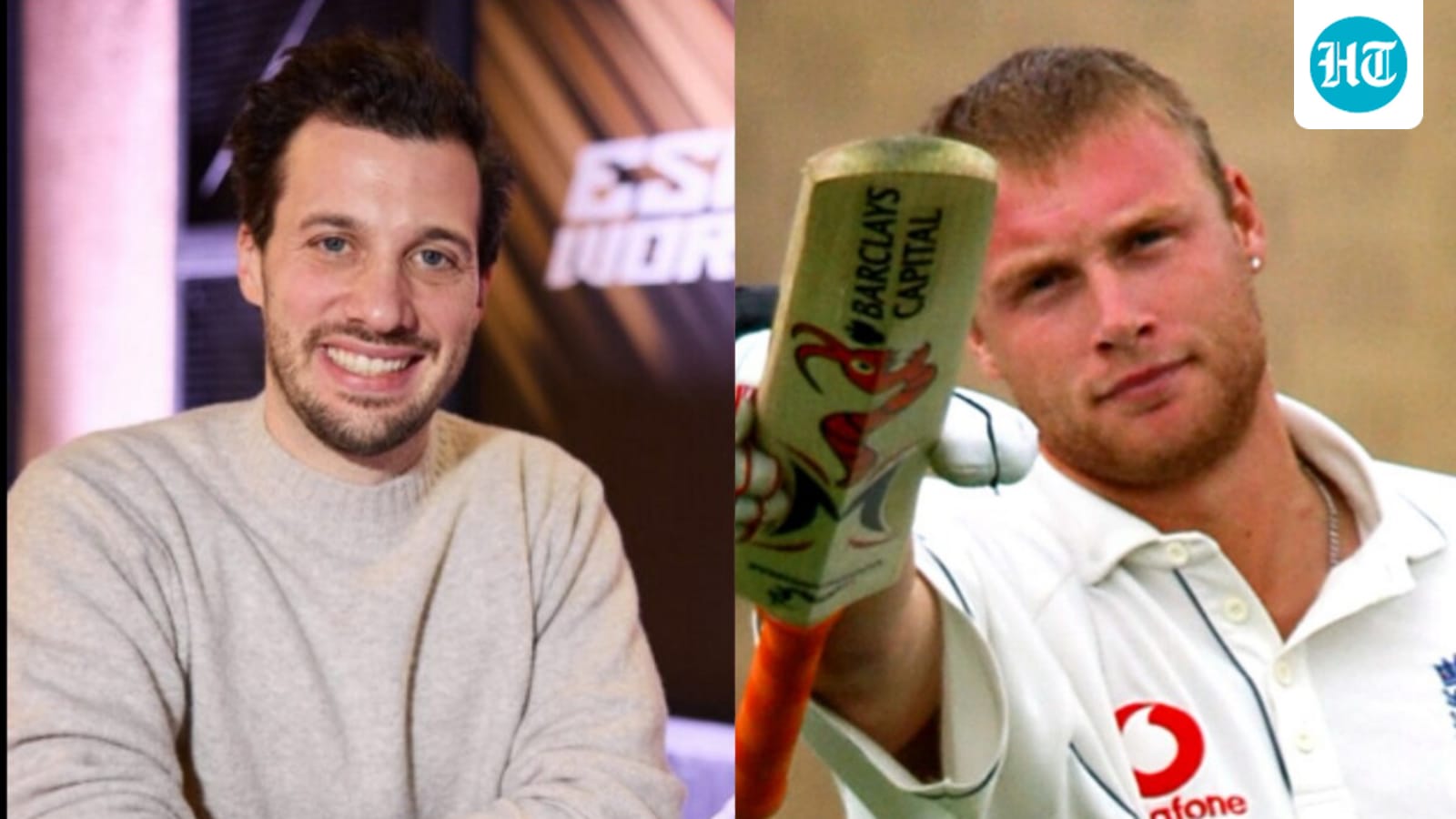
The Esports World Cup 2026 in Paris highlights the industry's push for mainstream status by integrating traditional games like chess and considering cricket. Organizers aim to mirror the cultural impact of the IPL to elevate esports players to global celebrity status.
The Evolution of Esports: Beyond Pixels and Controllers
The 2026 Esports World Cup (EWC) in Paris represents a pivotal moment in the trajectory of competitive gaming. By hosting events at the Paris Expo Porte de Versailles, organizers are signaling a departure from niche digital communities toward a global, mainstream sporting spectacle. The inclusion of traditional games like chess alongside digital titles reflects a strategic broadening of the term 'esports,' aimed at capturing a diverse audience that values high-level cognitive competition.
The Cricket Conundrum: Nostalgia vs. Commercial Viability
For cricket to find a home in the Esports World Cup, it must transcend the nostalgia of titles like EA Sports’ Cricket 07. While millennials fondly remember the iconic commentary and gameplay of the 2000s, the modern era demands more. Success in the esports arena hinges on three pillars: a massive global audience, high fan engagement, and undeniable commercial value. Merely offering an 'easy gold medal' for Indian participants is insufficient; the sport requires a digital infrastructure that can sustain professional competition at the same level as established titles like Dota 2 or League of Legends.
Chess as the Blueprint for Expansion
Mike McCabe’s vision for the EWC is best exemplified by the inclusion of chess. With a $1.5 million prize pool and elite participants like Magnus Carlsen and India’s top Grandmasters, chess has proven that centuries-old games can thrive in a high-production, high-noise digital environment. This inclusion serves as a proof-of-concept for the EWC’s ability to travel and adapt, showing that the 'esports' label is flexible enough to accommodate various forms of competitive intellectual and digital performance.
The IPL Model: Chasing Mainstream Celebrity
Central to the EWC’s long-term strategy is the aspiration to replicate the cultural ubiquity of the Indian Premier League (IPL). McCabe emphasizes that the future of the industry depends on creating stars who possess the same level of recognition as IPL cricketers. In India, cricket stars are not just athletes but cultural icons; the esports industry is currently attempting to manufacture a similar ecosystem where pro-gamers are mobbed by fans and integrated into the broader entertainment landscape.
Challenges and Future Trends
Despite the excitement, the path forward is complex. The transition from a digital hobby to a global sporting powerhouse requires moving away from the 'Paris was never the plan' mentality—which suggests a reactive, rather than proactive, growth strategy—toward a more structured, long-term development model. The industry must balance the need for high-octane production with the authentic, grassroots growth that made titles like the original Brian Lara and EA Sports Cricket series so beloved by fans.
Conclusion
As the 2026 Esports World Cup concludes, it is clear that the industry is at a crossroads. By blending the digital with the traditional and striving for the mass-market appeal of cricket, the EWC is attempting to rewrite the definition of a 'sporting event.' Whether or not cricket officially joins the roster, the lessons learned from chess and the pursuit of IPL-style fame will undoubtedly dictate the future of competitive gaming for the next decade.
Multiple Citing Sources
Verification Required?