15 car safety mistakes to avoid: From high beams to feet on the dashboard
Source Entity
The Indian Express
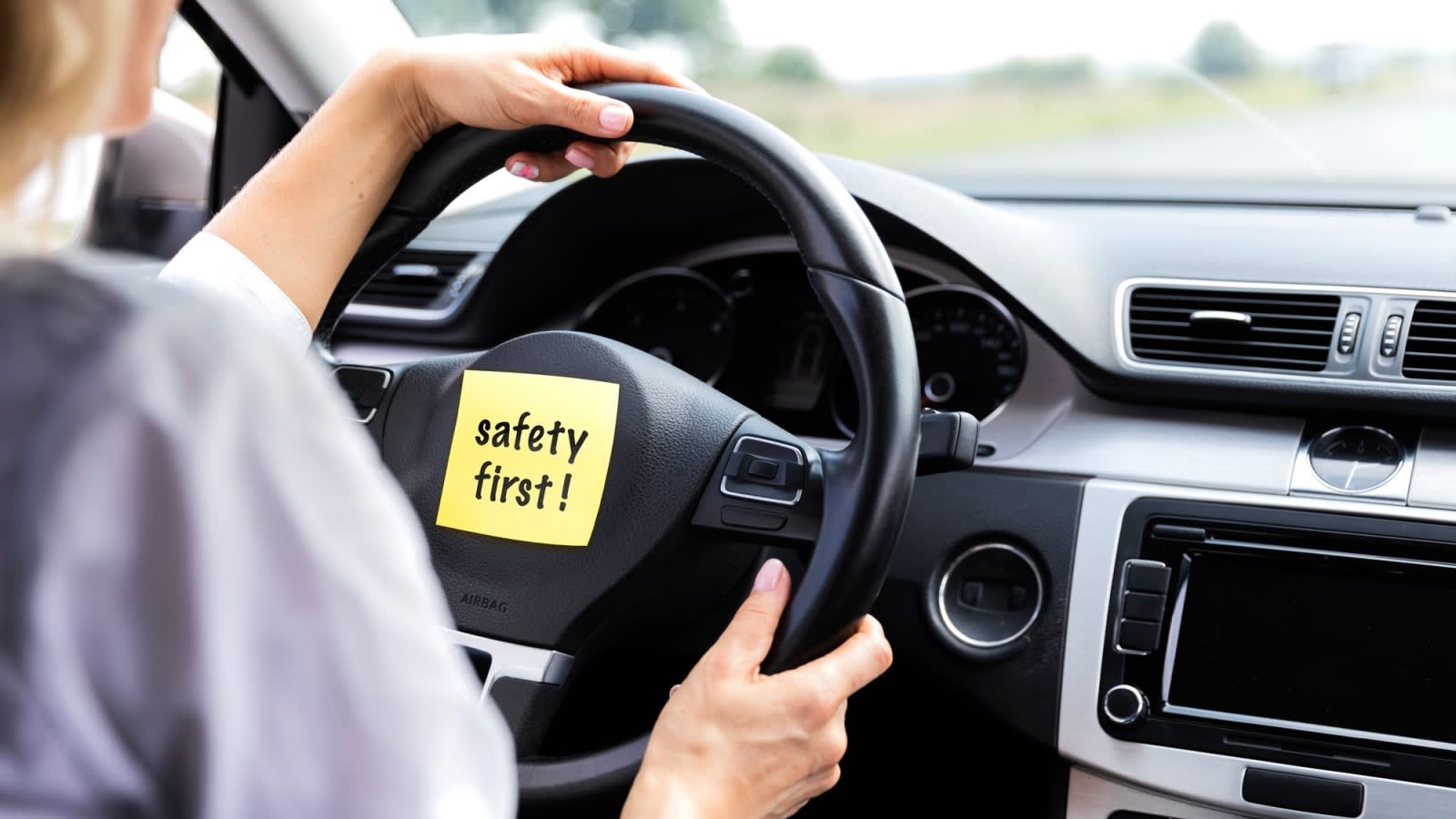
Auto expert Shubham Parashar outlines critical safety habits for drivers, emphasizing proper seating posture and vehicle awareness. These precautions go beyond basic seatbelt usage to improve collision control and overall passenger security.
Enhancing Vehicle Occupant Safety: Beyond the Seatbelt
While the seatbelt remains the foundational element of automotive safety, it is merely the first layer in a comprehensive approach to road protection. Modern automotive safety culture is shifting from a focus solely on crash-worthiness to a proactive emphasis on human behavior and ergonomics. As noted by auto expert Shubham Parashar, achieving maximum safety requires a holistic strategy that addresses how we interact with our vehicle's interior environment.
The Importance of Ergonomic Positioning
One of the most overlooked aspects of driving safety is the driver's physical relationship with the vehicle controls. Parashar emphasizes that your position behind the wheel directly dictates your ability to maintain control during evasive maneuvers. The 'wrist technique'—a method used to calibrate the distance between the driver and the steering wheel—ensures that the driver can operate the vehicle with precision without overextending or crowding the airbag deployment zone.
Correcting Dangerous Interior Habits
Beyond positioning, interior habits such as placing feet on the dashboard present severe risks during a collision. In the event of an airbag deployment, a passenger with feet on the dashboard faces catastrophic injury, as the restraint system is designed to interact with a seated body, not one in a reclined or elevated position. Eliminating these behaviors is essential for ensuring that safety features like airbags function as intended.
Visibility and Environmental Awareness
Safety also extends to how a driver communicates their intent to others and manages their surroundings. Utilizing headlights correctly—avoiding the misuse of high beams—prevents blinding oncoming traffic, which reduces the risk of accidents for everyone on the road. Furthermore, situational awareness, such as knowing how to react when strangers approach a vehicle, is a vital component of personal security that is often neglected in standard driver education.
Future Trends in Automotive Safety
As vehicle technology advances, the human element remains the primary variable in accident prevention. While autonomous features are on the horizon, the current landscape requires drivers to take active responsibility for their ergonomic setup and environmental awareness. By adopting these practical habits today, drivers can significantly mitigate the severity of potential accidents and enhance the overall safety of the driving experience.