The Estranged Worlds of J. G. Ballard
Source Entity
Hacker News
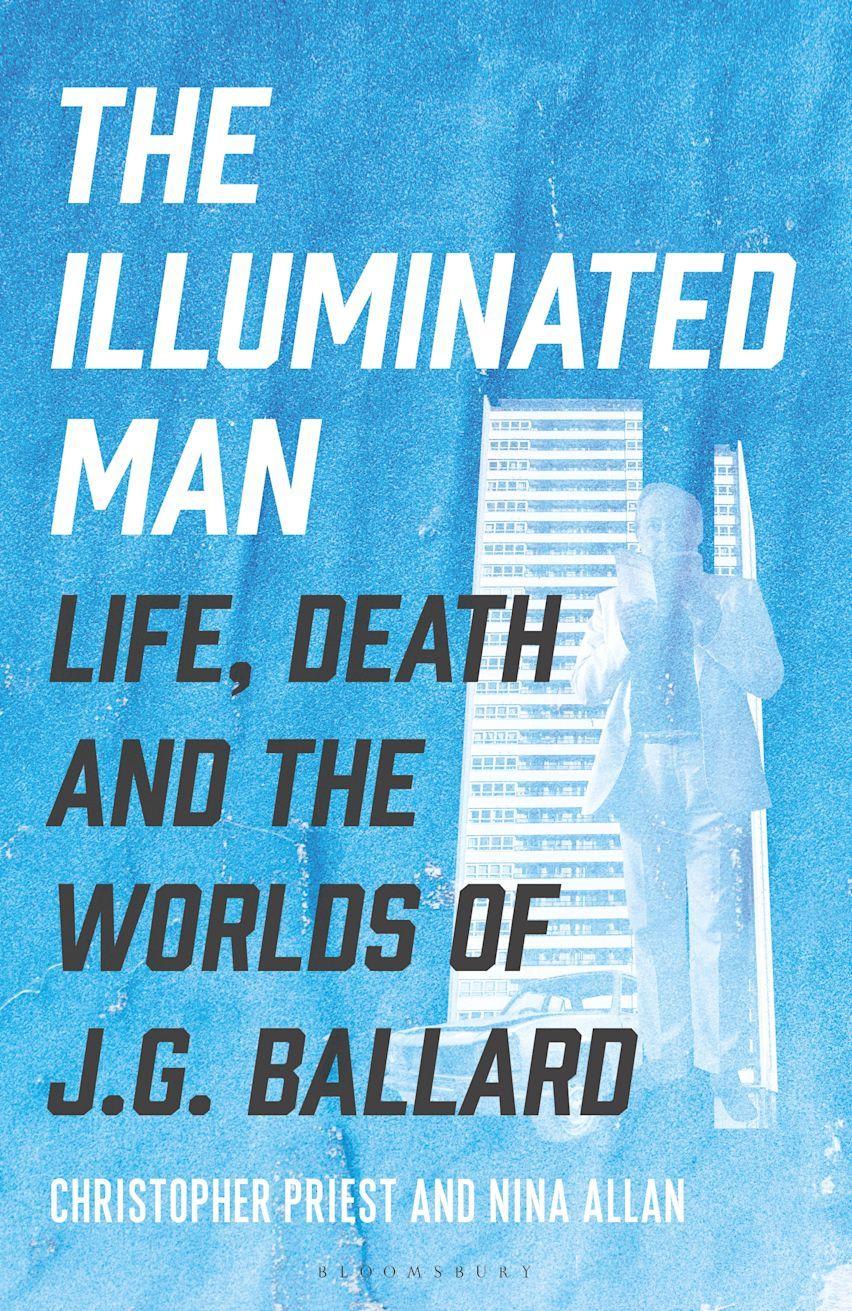
A deep dive into the literary and philosophical legacy of J.G. Ballard, exploring his themes of urban alienation, the fusion of technology and human psychology, and his visionary approach to dystopian landscapes.
The Visionary Architecture of J.G. Ballard
J.G. Ballard occupies a unique position in the pantheon of 20th-century literature, acting less as a traditional science fiction writer and more as a psychological cartographer of the modern condition. The concept of 'estranged worlds' refers to Ballard's ability to take familiar, mundane settings—an apartment complex, a motorway, or a coastal town—and strip away the veneer of social propriety to reveal the raw, often disturbing, impulses beneath. His work does not typically project into a distant future but rather examines the 'near future,' suggesting that the dystopian elements of our existence are already present and merely waiting to be activated.
The Architecture of Alienation
One of the most poignant examples of Ballard's exploration of estrangement is found in his depiction of urban environments. In works like High-Rise, the setting is not merely a backdrop but a primary character. Ballard analyzes how the physical architecture of modern living—specifically the brutalist high-rise—can catalyze social regression. By isolating individuals within a vertical community, he demonstrates how the removal of traditional social anchors leads to a rapid descent into tribalism and chaos. This analysis remains strikingly relevant today as we navigate the psychological effects of urban density and the paradoxical loneliness of hyper-connected city living.
Technology and the Psychological Interface
Ballard's fascination with the intersection of human biology and technology is perhaps most controversially explored in Crash. Here, he examines a world where the trauma of the car accident becomes a source of erotic and psychological fixation. This is not merely a provocation but a profound analysis of how humans adapt to a landscape dominated by high-speed machinery and concrete. He suggests that as our environment becomes more artificial and technological, our inner desires and psychological drives mutate to align with that artificiality, leading to a state of profound estrangement from our natural biological origins.
Ecological Surrealism and the Anthropocene
In his earlier works, such as The Drowned World, Ballard shifted his focus to the collapse of the global climate. He envisioned a world returning to a prehistoric, tropical state, where characters find a strange, melancholic peace in the ruins of civilization. Unlike modern climate fiction that focuses on survival and panic, Ballard's approach was one of 'surrealist acceptance.' He viewed the end of the world not as a tragedy, but as a psychological liberation—a way for the human mind to finally synchronize with the environment, albeit an environment shaped by human failure.
The Legacy of the 'Near Future'
Ballard's influence extends far beyond the printed page, deeply impacting the aesthetics of cyberpunk and the cinematic visions of directors like David Cronenberg. His philosophy that the future is 'already here' serves as a precursor to contemporary discussions about the Anthropocene and the digital alienation of the social media age. By focusing on the 'psychopathology of the present,' Ballard provided a toolkit for understanding how technology and urban planning can reshape the human psyche, often in ways that are alienating and dehumanizing.
Conclusion: The Enduring Relevance of Estrangement
Ultimately, the 'estranged worlds' of J.G. Ballard serve as a mirror to our own. By pushing the logic of modernity to its absolute limit, he revealed the fragile nature of the social contracts we rely upon. His work continues to resonate because the tensions he identified—between nature and technology, individuality and the mass, and sanity and obsession—have only intensified in the 21st century. Ballard remains a vital guide for anyone seeking to understand the psychological toll of living in a world that is increasingly artificial, accelerated, and estranged.