Etihad Rail passenger train services: When will Dubai, Sharjah and other stations open?
Source Entity
Anish Mondal
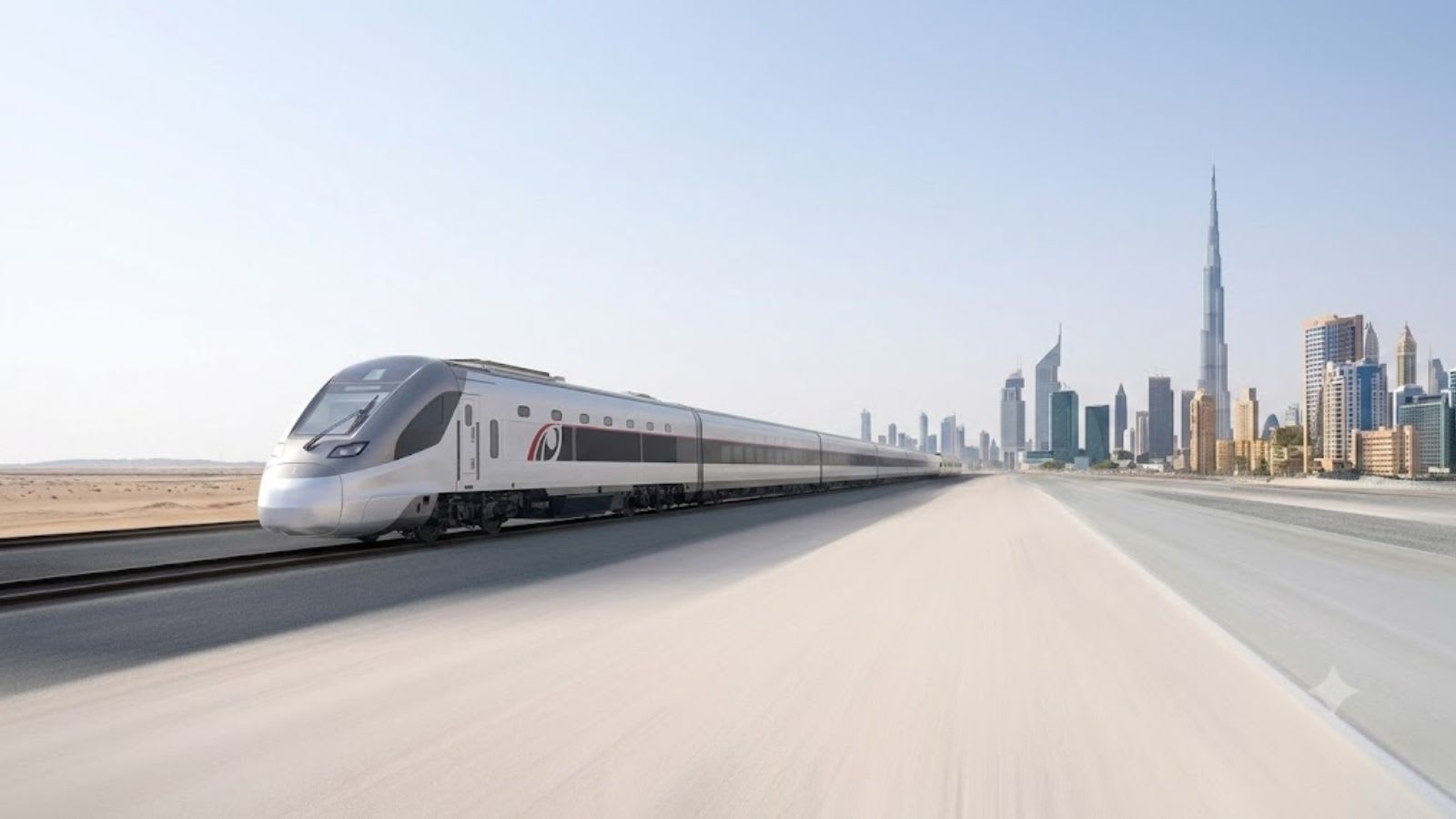
Etihad Rail has launched its passenger service between Abu Dhabi and Fujairah, marking a significant milestone in the UAE's national rail network. The project, part of the Projects of the 50 initiative, aims to eventually connect 11 cities across the country.
The Evolution of UAE Connectivity: Etihad Rail Launches Passenger Services
The launch of passenger rail services by Etihad Rail marks a transformative shift in the United Arab Emirates’ transportation landscape. By successfully inaugurating the inaugural route between Abu Dhabi and Fujairah on June 30, the UAE has taken a monumental step toward integrating its major economic hubs. This 105-minute journey represents not just a logistical achievement, but a strategic enhancement of regional mobility that promises to reshape how residents and tourists traverse the nation.
A Product of the 'Projects of the 50'
This rapid development is rooted in the UAE Railway Programme, unveiled in 2021 as part of the 'Projects of the 50' initiative. The speed at which this project has moved from policy framework to operational reality—less than five years—underscores the government’s commitment to infrastructural modernization. By prioritizing rail, the UAE is effectively diversifying its transport sector, moving beyond a reliance on road networks to embrace a more sustainable, high-capacity alternative.
Strategic Expansion Across 11 Cities
The long-term vision for Etihad Rail is far-reaching, with plans to connect 11 distinct cities and regions. The inclusion of major urban centers such as Dubai and Sharjah, alongside critical industrial and residential hubs like Al Sila’, Al Dhannah, and Al Mirfa, demonstrates a holistic approach to national development. These stations are strategically placed to ensure that both industrial zones and densely populated urban areas benefit from the network’s connectivity.
Economic and Social Implications
Beyond the convenience of a 105-minute commute, the expansion of the rail network serves as a catalyst for economic growth. By linking disparate regions, the network fosters labor mobility, reduces the carbon footprint associated with inter-city road travel, and encourages balanced regional development. As stations in Dubai and Sharjah come online, the project will likely stimulate real estate and commercial activity in the areas surrounding these transit hubs.
Future Trends in Regional Transit
Looking ahead, the success of the Abu Dhabi-Fujairah line sets a precedent for future rail expansion in the Middle East. The integration of modern rail technology suggests that the UAE is positioning itself as a regional leader in transit infrastructure. As the network matures, it will likely influence urban planning strategies, encouraging the development of transit-oriented communities that prioritize efficiency and connectivity.
Conclusion
The Etihad Rail passenger service is a hallmark of the UAE's forward-thinking infrastructure agenda. By bridging the gap between major cities and remote regions, the project enhances the nation's competitive edge while improving the quality of life for its residents. As the network continues to expand, it will undoubtedly serve as the backbone of the UAE’s future transportation strategy.