EU calls emergency meeting to discuss Ceuta migrant crossings
Source Entity
BBC News
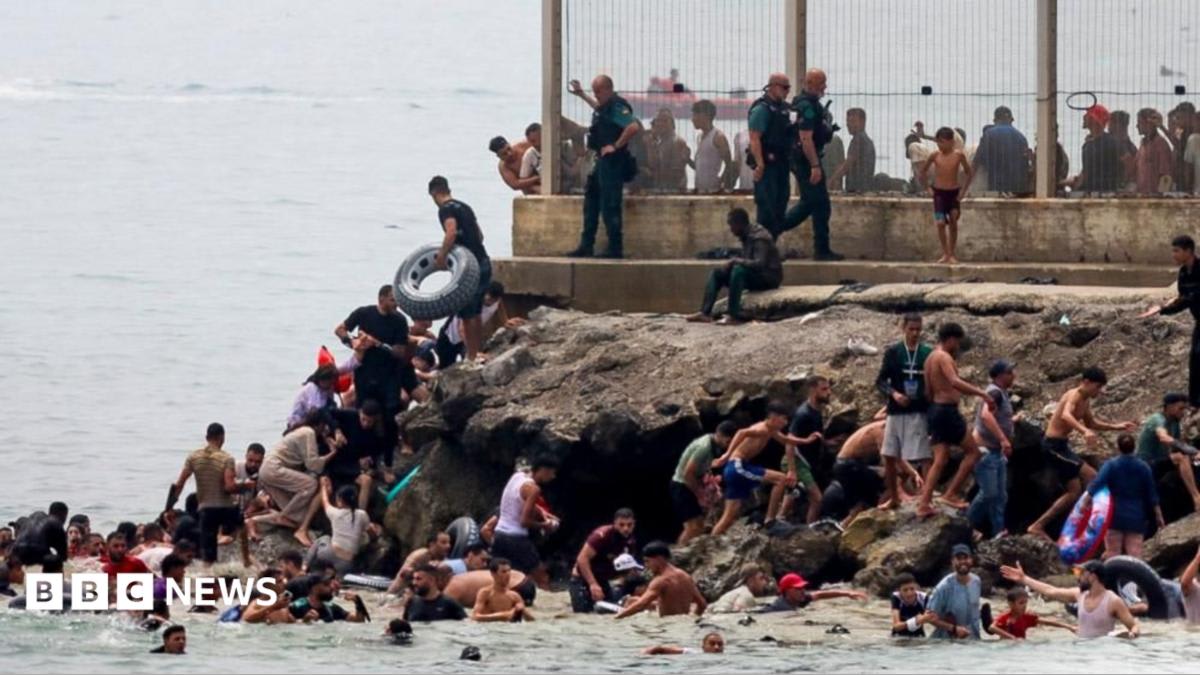
The EU is holding emergency talks following a massive surge of 60,000 migrants into the Spanish enclave of Ceuta from Morocco. The crisis has triggered significant diplomatic tension, with Italy, Finland, and Denmark suspending or questioning Spain's Schengen status.
The Ceuta Migrant Crisis: A Geopolitical Fracture
The recent surge of approximately 60,000 migrants into the Spanish enclave of Ceuta represents a critical flashpoint in European migration policy. As thousands attempted to cross into the territory from Morocco, the resulting humanitarian tragedy—marked by at least 67 deaths due to drowning or crushing—has exposed deep-seated fractures within the European Union regarding border management and solidarity.
The Diplomatic Fallout
The crisis has rapidly evolved from a border management issue into a significant diplomatic rift. Spain, led by Prime Minister Pedro Sánchez, has vehemently condemned the responses from fellow EU member states, labeling them as "selfish, polarising and unlawful." This friction stems from Italy’s decision to temporarily suspend the Schengen border-free arrangement with Spain, a move that has garnered explicit support from Finland and Denmark. The Czech government has gone further, calling for a temporary suspension of Spain's entire membership in the Schengen zone.
Humanitarian and Security Implications
Beyond the political posturing, the human cost of the event is staggering. While officials report that the vast majority of those who crossed on July 30th have since returned to Morocco, the loss of 67 lives highlights the lethal risks inherent in these mass crossings. The incident has also fueled concerns regarding "hybrid threats," with EU member states citing the need to strengthen external borders to prevent similar scenarios where mass migration is perceived as a tool to destabilize internal cohesion.
Challenges to the Schengen Agreement
The Schengen Agreement, a cornerstone of European integration that allows for the free movement of people, is now under intense scrutiny. The decision by Italy to bypass standard protocols and unilaterally restrict travel from Spain suggests that the spirit of collective responsibility is waning under the pressure of migratory surges. This trend threatens to undo decades of progress in European border-free travel if member states continue to prioritize individual security measures over unified EU policy.
Seeking a Coordinated Path Forward
In response to the escalating crisis, the European Union is convening an emergency meeting to address the situation. This gathering is intended to facilitate a more coordinated action plan among the 22 member states that have signed a joint letter expressing concern. The objective is to balance the immediate need for border security with the humanitarian obligations of the union, all while attempting to repair the damaged diplomatic relations between Madrid and its European counterparts.
Future Trends and Outlook
The events in Ceuta serve as a harbinger for future challenges regarding the EU's southern periphery. As migration remains a contentious domestic political issue across Europe, the tension between national sovereignty and collective EU obligations is likely to intensify. Moving forward, the effectiveness of the upcoming emergency talks will be measured by whether the Union can establish a durable mechanism to handle future surges without resorting to the suspension of fundamental agreements like Schengen.