Europe’s gas stores are running low — and prices could top 100 euros this winter
Source Entity
US Top News and Analysis
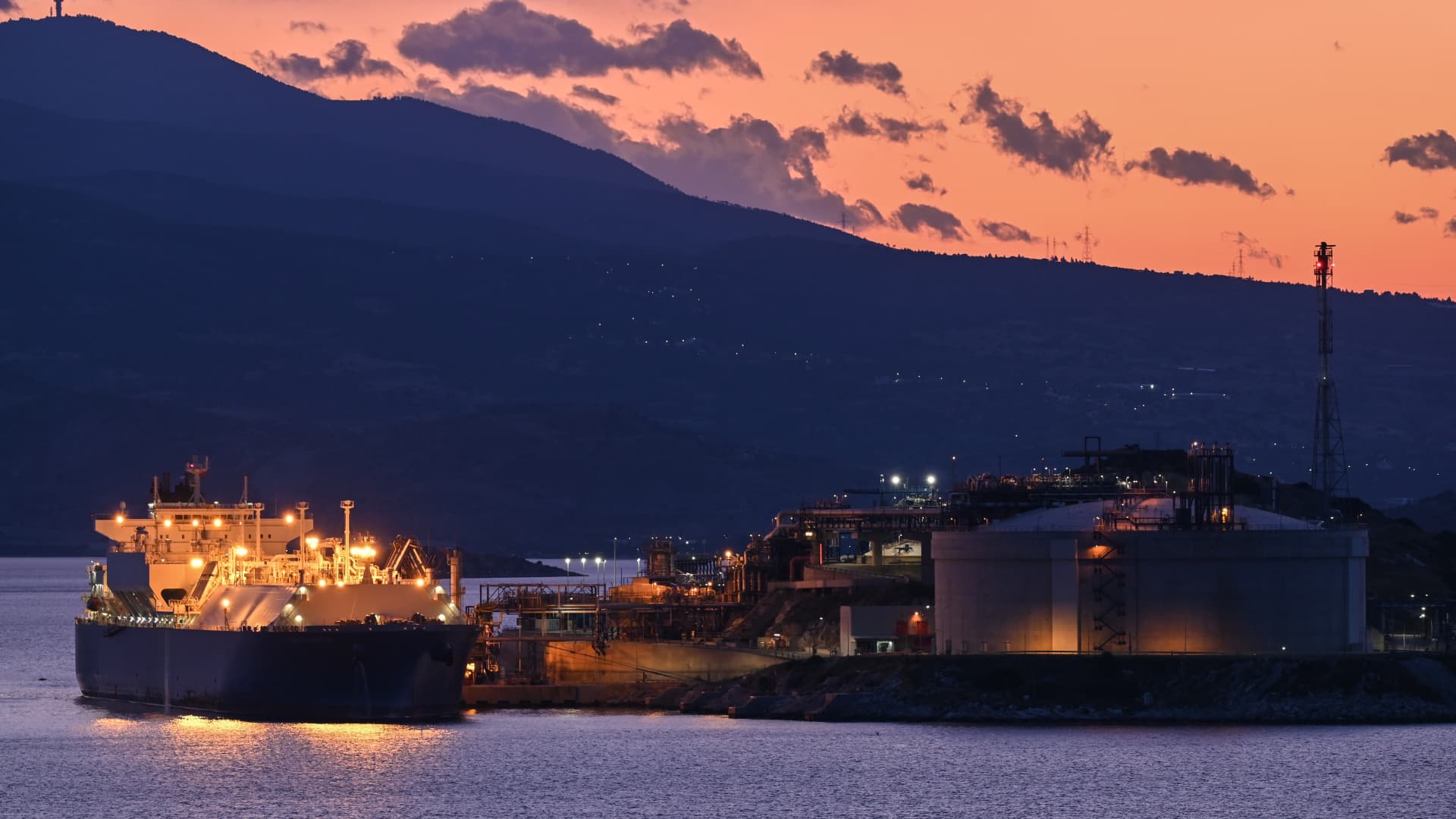
Europe faces a looming energy crisis as low gas reserves and disrupted Middle East supply chains threaten to push winter prices above 100 euros. Increased reliance on US LNG is becoming a critical lifeline for the continent.
Europe's Energy Vulnerability: A Winter of Uncertainty
Europe is currently navigating a precarious energy landscape as natural gas storage levels remain historically low heading into the winter season. The convergence of diminished reserves and geopolitical instability in the Middle East has created a supply-side shock that threatens to destabilize the continent's energy security. With European benchmark Dutch TTF futures already surging past 68 euros per megawatt-hour—the highest level observed since early 2023—the markets are signaling significant anxiety regarding the availability of fuel during peak demand months.
The Geopolitical Impact on LNG Flows
The root of the current instability lies in the disruption of global liquefied natural gas (LNG) supplies, exacerbated by conflict in Iran. As traditional maritime routes and regional supply chains face interference, the global flow of energy has been forced to recalibrate. In this environment, the role of the United States as a primary energy exporter has become more critical than ever, with terminals like the Lake Freeport facility and delivery points like the Revithoussa terminal in Greece serving as essential conduits for European energy stability.
Competitive Pressures and Market Dynamics
A major concern for European policymakers is the intensifying competition with Asian markets for limited LNG cargoes. Because natural gas is a global commodity, Europe must bid aggressively to secure shipments that might otherwise be diverted to high-demand regions in Asia. This bidding war is precisely what analysts fear will drive prices above the 100 euro per megawatt-hour threshold, a price point that has not been breached since the height of the energy crisis four years ago.
Economic Implications for the Eurozone
The potential for triple-digit gas prices presents a severe inflationary risk for the European economy. As energy costs permeate through the supply chain, the cost of manufacturing, heating, and electricity generation will rise, potentially cooling industrial output and squeezing household budgets across the bloc. Businesses that rely on energy-intensive processes may be forced to scale back operations, echoing the economic strain witnessed during the post-pandemic energy crunch.
Future Trends and Strategic Outlook
Looking ahead, the situation underscores the urgent need for Europe to diversify its energy sourcing and accelerate its investment in energy infrastructure. The current reliance on US LNG, while necessary, highlights a vulnerability to global shipping bottlenecks and regional conflicts. Moving forward, the European energy market will likely experience heightened volatility until storage levels can be consistently maintained at safer margins. Policymakers will be under immense pressure to balance short-term supply requirements with long-term energy independence goals to mitigate the recurrence of such winter price spikes.