Two owners, one buffalo and a DNA test: Bihar cops face a unique dispute
Source Entity
Latest News: Todays Latest News Headlines from India & World | Hindustan Times | Hindustan Times
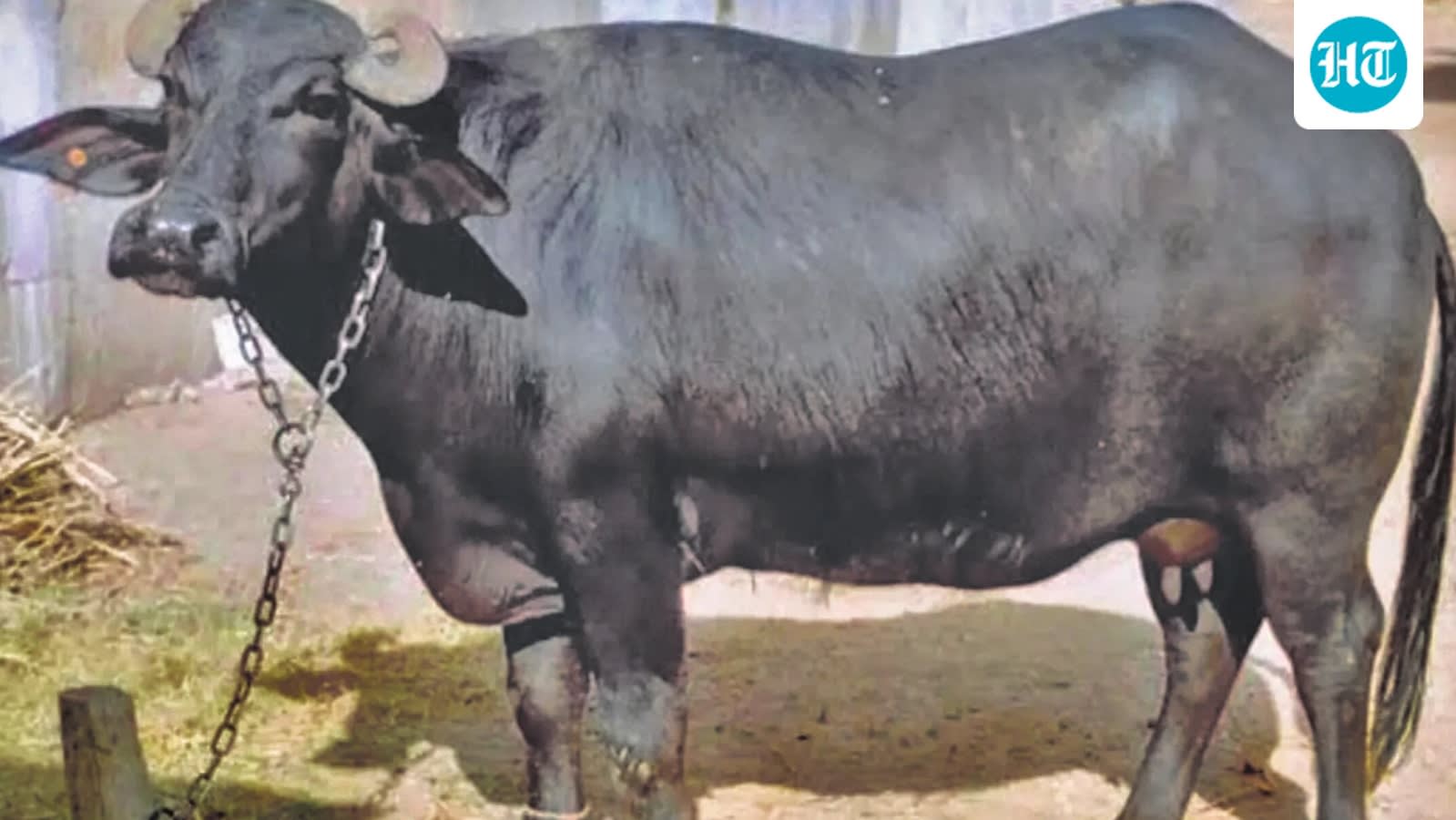
Police in Bihar's Gaya district are resorting to a unique DNA test to resolve a heated ownership dispute over a buffalo between two local men. The unconventional method follows a failed attempt to let the animal identify its own home.
The Bovine Legal Dilemma in Bihar
In a bizarre intersection of traditional rural life and modern forensic science, authorities in the Gayaji district of Bihar are facing an unprecedented legal challenge. Two local men, Suraj Yadav and Prakash Manjhi, have entered a bitter dispute over the ownership of a single buffalo. The case has escalated to a point where local police are considering utilizing DNA testing—a tool typically reserved for high-stakes criminal investigations or human paternity suits—to determine the rightful owner of the livestock.
The Anatomy of the Dispute
The conflict began when Suraj Yadav reported his buffalo missing from his village of Seutar. A week later, Yadav claimed to have located the animal at the residence of Prakash Manjhi. Following this discovery, Yadav removed the animal and returned it to his own home. This act of recovery triggered a formal police complaint from Manjhi, who asserts that he is the legitimate possessor, claiming he had leased the animal through a legal arrangement with a third party.
Failed Attempts at Resolution
Before turning to advanced forensic science, the police initially attempted a more traditional, intuitive approach to conflict resolution. Recognizing the strong bond between livestock and their caretakers, officers allowed the buffalo to roam freely, testing whether its instincts would guide it back to its original home. When the animal instinctively returned to Yadav’s property, it provided initial evidence of ownership, but this result only served to further inflame the situation, leading to a formal police complaint filed by Manjhi under the Scheduled Castes and the Scheduled Tribes (Prevention of Atrocities) Act.
The Role of Forensic Science in Local Jurisprudence
The decision to pursue a DNA test highlights the extreme measures law enforcement must sometimes take to maintain order in property disputes where documentation is absent. In many rural Indian settings, livestock ownership is often based on verbal agreements or communal recognition rather than formal titles. When those social contracts break down, the lack of a paper trail forces police to seek scientific validation to avoid civil unrest and ensure a definitive, unbiased resolution.
Implications for Future Rural Conflicts
This case serves as a fascinating case study on the modernization of rural policing. While DNA testing is an expensive and complex logistical undertaking for a local police force, it represents a shift toward objective evidence in civil matters. Should the test proceed, it could set a precedent for how similar property disputes are handled in regions where historical, community-based evidence is no longer sufficient to satisfy conflicting parties.
Conclusion
As the investigation continues, the 'Gayaji buffalo case' underscores the difficulties of mediating property rights in an informal economy. By attempting to bridge the gap between traditional instincts and modern genetic verification, the Bihar police are navigating a complex social landscape. Ultimately, the outcome of this DNA test will not only resolve the dispute between Yadav and Manjhi but may also redefine the investigative standards for livestock ownership in the region.
Verification Required?