Tanker attack tests Trump’s claim that Hormuz is a 'functioning strait'
Source Entity
US Top News and Analysis
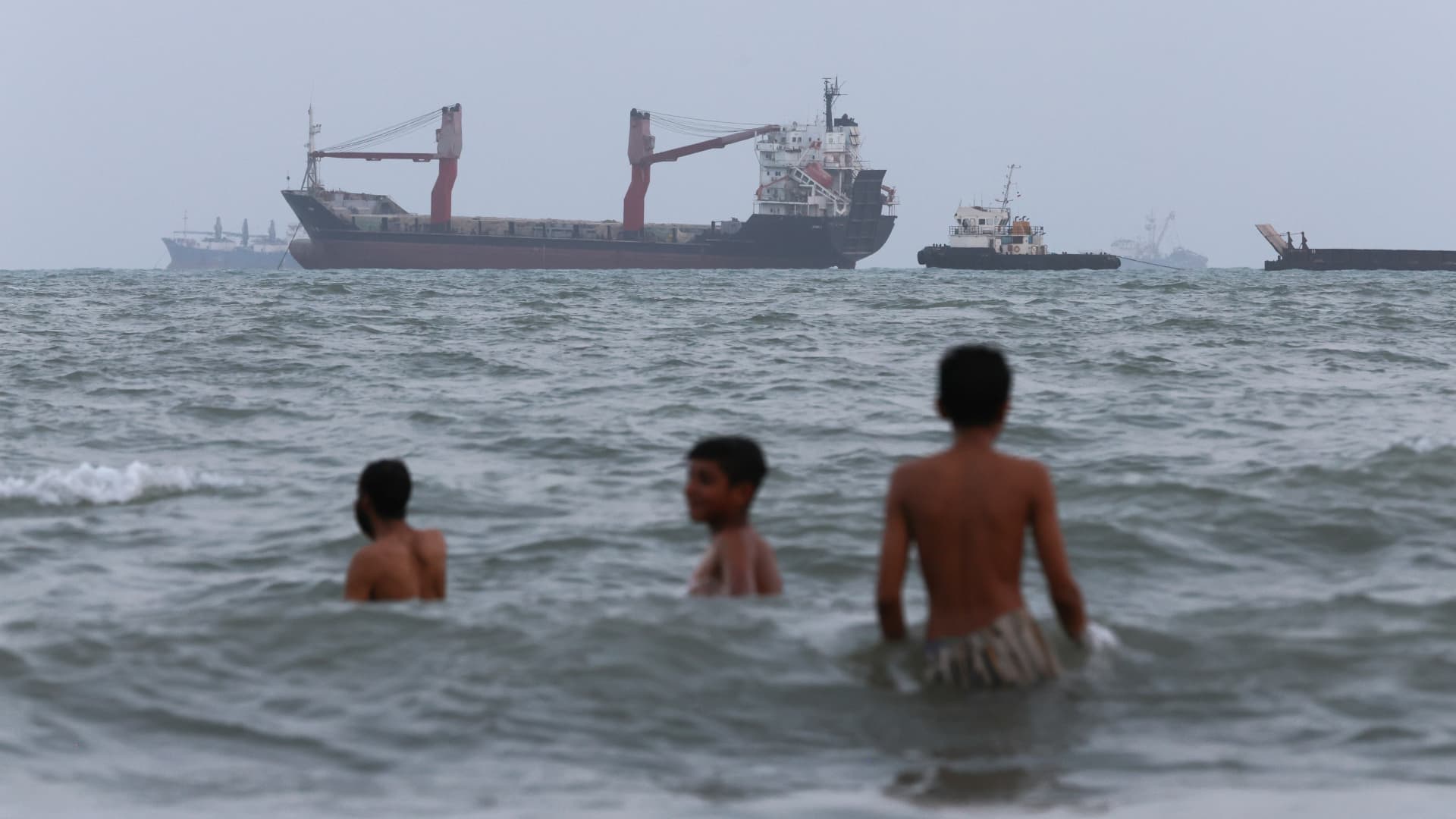
An oil tanker was struck by an unidentified projectile near the Strait of Hormuz, causing a fire but no casualties. This incident highlights ongoing security risks in the vital energy corridor, further deterring maritime traffic.
The Fragility of the Hormuz Energy Corridor
Recent reports confirm that an oil tanker was struck by an unidentified projectile while transiting the Strait of Hormuz, specifically near the Omani coastal city of Khasab. While the UK Maritime Trade Operations (UKMTO) agency has confirmed that the crew is safe and the resulting fire was extinguished, the incident serves as a stark reminder of the persistent security challenges facing one of the world's most critical maritime chokepoints. This event is not an isolated occurrence but rather the latest in a series of sporadic attacks that have destabilized the region.
Implications for Global Energy Security
The Strait of Hormuz acts as the primary artery for global oil and liquefied natural gas (LNG) shipments. Any disruption to this transit route carries immediate consequences for global energy prices and supply chain reliability. The fact that an unidentified projectile could strike a commercial vessel underscores the limitations of current security measures, even with U.S.-led efforts to provide escort services along the Omani side of the strait. The ongoing risk of such attacks has kept maritime traffic significantly below pre-war levels, as insurers and shipping companies weigh the high costs of transit against the inherent dangers of the corridor.
Challenging the 'Functioning Strait' Narrative
This incident directly challenges political assertions that the Strait of Hormuz remains a fully 'functioning' and secure corridor. Despite attempts to maintain normal operations, the reality on the water—characterized by anchored ships and a decrease in total maritime traffic—paints a picture of a region under duress. The presence of children swimming near anchored vessels at Bandar Abbas offers a surreal contrast to the high-stakes military and commercial tensions occurring just miles away, highlighting how local life persists in the shadow of geopolitical volatility.
The Role of UKMTO and International Oversight
The UKMTO remains the primary source for reporting and monitoring these maritime incidents, acting as a vital link between commercial vessels and international security forces. Their confirmation of an active investigation into the projectile strike suggests a systematic approach to cataloging these threats. However, the inability to immediately identify the source of the projectile highlights the 'gray zone' tactics often employed in these waters, where attribution is difficult and security gaps are easily exploited.
Future Trends and Regional Stability
Looking ahead, the trend of lower traffic through the Strait is likely to persist as long as the threat of projectile attacks remains unmitigated. The combination of sporadic violence and the necessity of the strait for global energy security creates a stalemate that forces nations to choose between economic risk and the necessity of supply. Future stability in Hormuz will depend not only on military escort presence but also on broader diplomatic efforts to de-escalate the tensions that encourage these types of maritime disruptions. Until such a balance is achieved, the strait will likely continue to operate under a cloud of uncertainty, impacting global markets and shipping logistics for the foreseeable future.