World News Live Updates: Iran, Oman agree to share revenues from Strait of Hormuz
Source Entity
Anamni Gupta
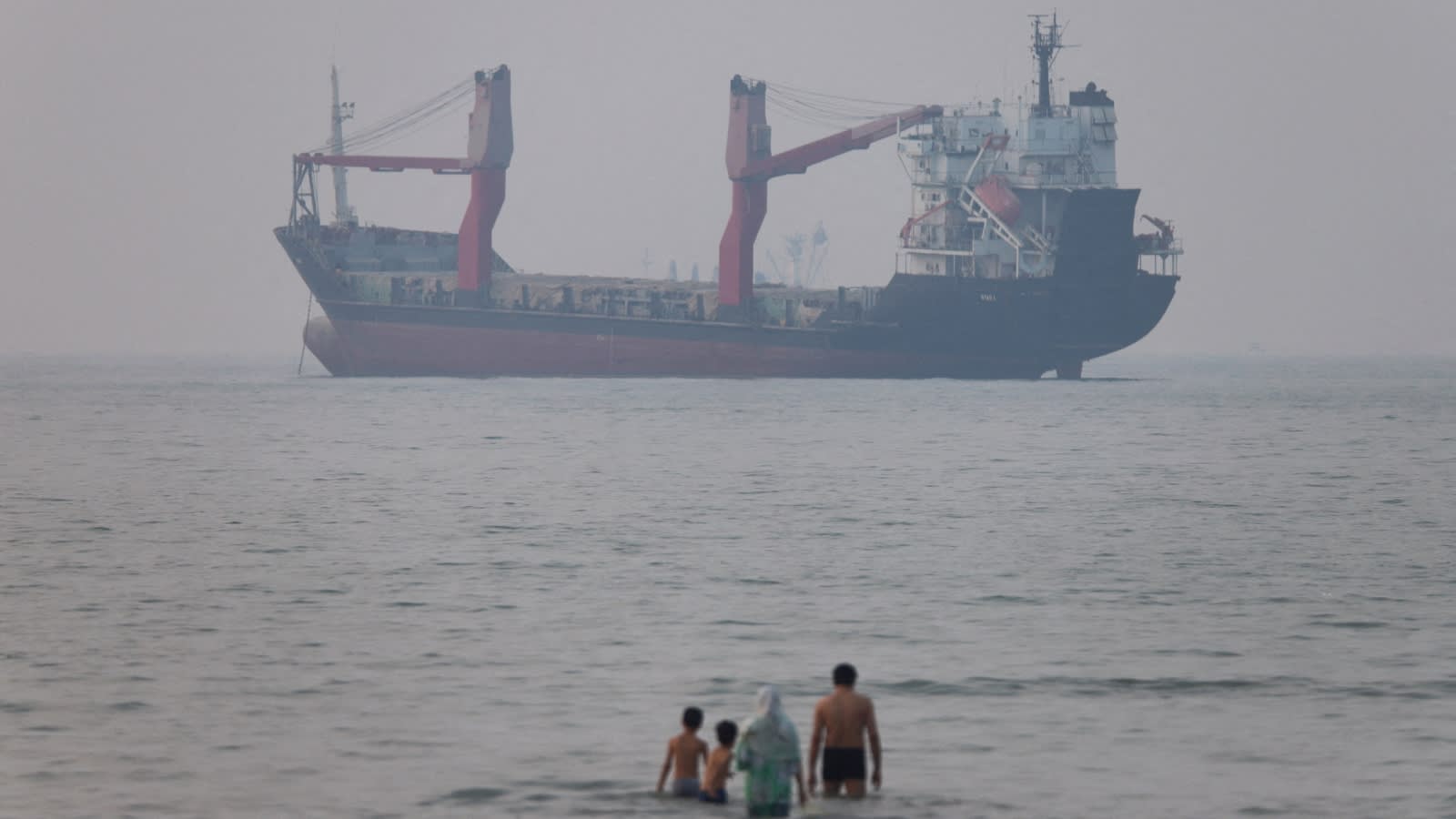
Iran and Oman have reached a landmark agreement to share revenues from the Strait of Hormuz. Despite this diplomatic progress, the region remains volatile following a recent projectile strike on a tanker in the area.
Strategic Realignment in the Strait of Hormuz
The recent announcement that Iran and Oman have reached a formal agreement regarding the sharing of revenues from the Strait of Hormuz marks a significant shift in regional maritime diplomacy. By establishing a framework for revenue distribution, both nations are attempting to assert greater control and economic stability over one of the world's most critical energy chokepoints. This development, reported via the semi-official Tasnim news agency, underscores a deepening bilateral cooperation that seeks to formalize the management of maritime transit through these strategic waters.
The Role of Geopolitical Friction
Despite the progress in bilateral negotiations, the path to this agreement has been fraught with external pressures. The Revolutionary Guards spokesperson explicitly pointed to United States' intervention as a primary obstacle, claiming that American influence delayed the finalization of the deal. This narrative of obstructionism is a cornerstone of the current diplomatic discourse in Tehran, where officials frequently frame regional agreements as acts of sovereign defiance against Western influence. The claim suggests that Iran views its maritime economic rights as a matter of national security that transcends broader international maritime norms.
Maritime Security and Ongoing Threats
Compounding the geopolitical complexity is the persistent threat to commercial shipping. The recent incident involving an unknown projectile striking a tanker near Bandar Abbas serves as a stark reminder of the instability inherent in the Strait. While the United Kingdom Maritime Trade Operations (UKMTO) confirmed that the fire was contained and the crew remained safe, such events continue to heighten the risk profile for global energy markets. The inability to identify the source of the projectile highlights a significant intelligence gap in securing the waterway.
Economic and Environmental Implications
While the primary concern remains the safety of the crew and the preservation of the vessels, the lack of environmental impact in the latest incident is a fortunate outcome. However, the potential for future environmental disasters remains high if tensions continue to escalate. The agreement between Oman and Iran may eventually serve as a mechanism to fund better maritime surveillance, which could inadvertently lead to improved safety protocols for tankers transiting the region, provided the revenue sharing is transparently managed and applied to infrastructure rather than military posturing.
Future Trends and Regional Stability
Looking ahead, the effectiveness of the Iran-Oman agreement will be tested by the international community's reaction and the actual enforcement of revenue collection. If this model proves successful, it could signal a trend toward more localized, bilateral management of maritime chokepoints, potentially marginalizing the influence of international coalitions that have historically patrolled the Strait. The success of this initiative will ultimately depend on whether both nations can maintain a secure environment for global commerce while simultaneously navigating the hostile rhetoric and physical security threats that define the current maritime landscape.