US says Chinese hackers broke into Justice Department, NASA, Federal Reserve, Senate
Source Entity
The Indian Express
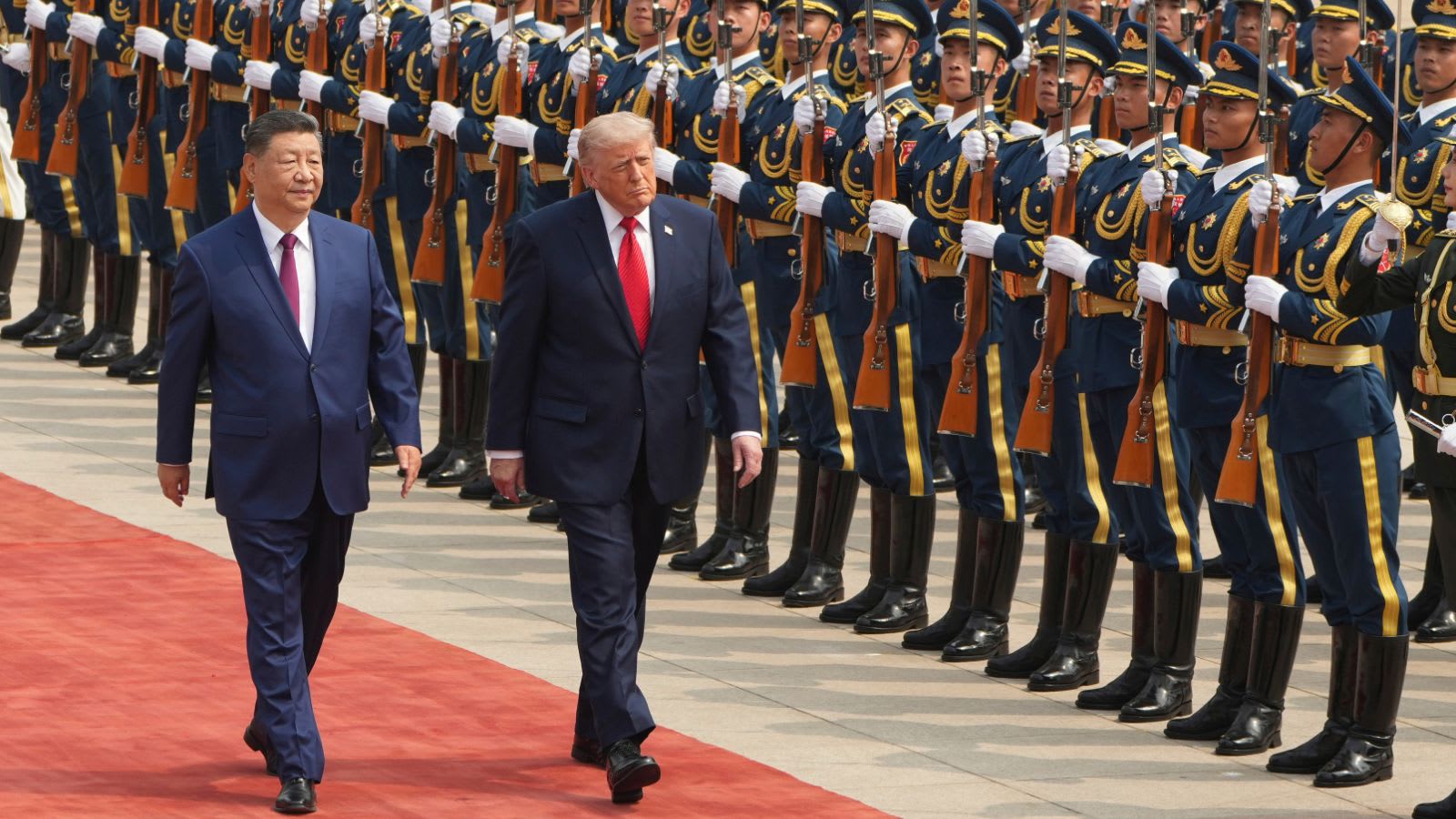
The U.S. government has disrupted a sophisticated Chinese state-sponsored cyber-espionage campaign targeting critical federal agencies and private sectors. This breach, involving platforms QScan and QTRouter, underscores ongoing geopolitical friction despite diplomatic overtures between the two nations.
The Escalation of Cyber-Espionage: A Strategic Breach
The United States government has officially announced the disruption of a sprawling Chinese state-sponsored cyber-espionage operation. This campaign, which utilized sophisticated platforms identified as QScan and QTRouter, successfully infiltrated or attempted to breach some of the most sensitive entities in the American government, including NASA, the U.S. Senate, the Federal Reserve, and the Departments of Justice, Energy, and Health and Human Services. The discovery of these intrusions marks the culmination of an extensive, long-term counterintelligence effort by the FBI and the National Security Agency to map and neutralize foreign digital threats.
The Mechanics of the Intrusion
At the core of this operation were specialized platforms designed to obscure the origins of the hacking activity. By utilizing QScan and QTRouter, the threat actors were able to mask their Chinese origins, effectively bypassing traditional detection methods for extended periods. The U.S. Justice Department’s move to seize the domains associated with these platforms represents a significant blow to the operational capacity of the hackers, though the full extent of the data compromised remains under investigation. The breadth of the target list—ranging from defense contractors and power companies to hospitals and financial institutions—suggests a strategic intent to gather intelligence across a wide spectrum of national infrastructure.
Geopolitical Context and the 'Giant Ship'
This cyber-incident occurs against a backdrop of complex U.S.-China relations. President Xi Jinping has recently characterized the bilateral relationship as a "giant ship" that requires careful navigation through "choppy waters" of volatile geopolitics. By expressing a desire for cooperation with the incoming Trump administration, Xi’s rhetoric serves as a diplomatic counterpoint to the aggressive reality of state-sponsored espionage. However, the revelation of these breaches highlights the fundamental disconnect between high-level diplomatic aspirations and the persistent reality of cyber-warfare that defines modern international competition.
Implications for National Security
The targeting of the National Institutes of Health, telecommunications providers, and sensitive government databases indicates that the hackers were likely seeking both intellectual property and strategic intelligence. By embedding themselves within the networks of critical infrastructure, these actors demonstrated a capability that threatens the integrity of U.S. domestic stability. While U.S. officials have remained cautious about divulging specific counterintelligence assessments, the severity of the targets—including the U.S. Senate—suggests that this was not merely a commercial data theft, but a high-level espionage operation aimed at the heart of the American political and scientific establishment.
Future Trends and Strategic Outlook
Looking ahead, this event signals a permanent shift in how the U.S. views its digital borders. The "spy-on-spy" nature of the investigation suggests that the U.S. intelligence community is increasingly willing to engage in long-term, patient monitoring of adversarial networks to achieve maximum disruption. As both nations continue to navigate the "choppy waters" of their relationship, cyber-espionage is likely to remain a primary vector for geopolitical friction. Future trends will likely see an increase in domain seizures and public naming of state-sponsored actors as the U.S. seeks to impose tangible costs on foreign adversaries for their digital incursions.