Europe plans to catch the next computer chip wave
Source Entity
BBC News
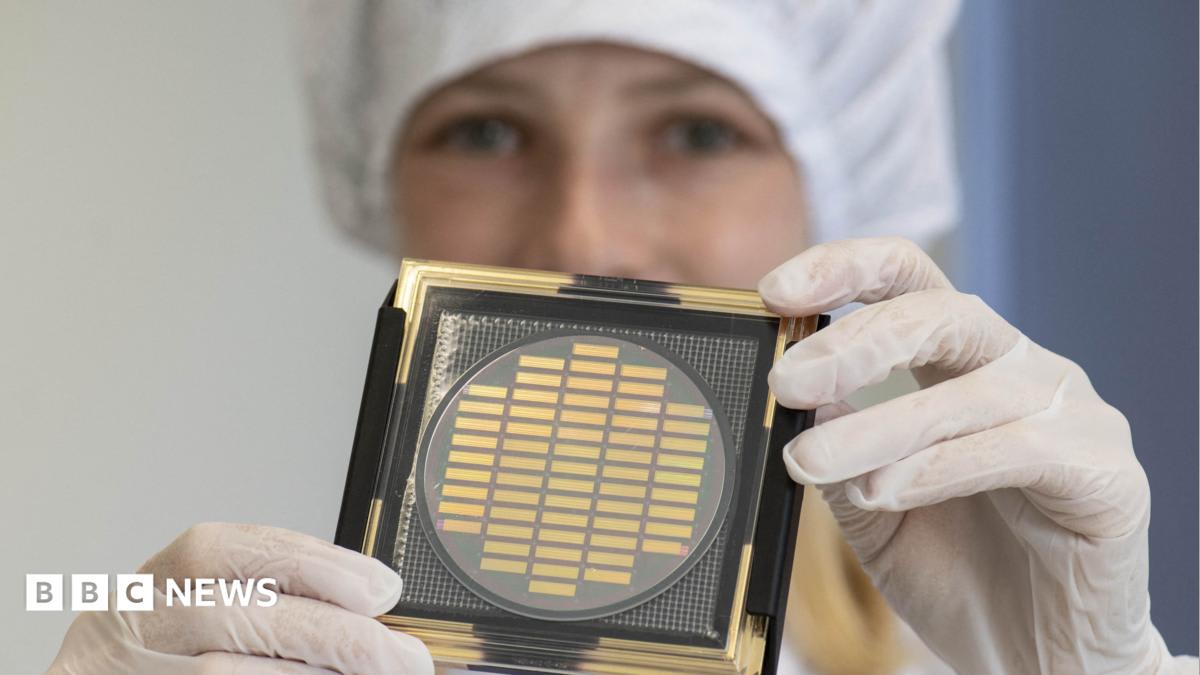
Europe is heavily investing in photonic chip technology, which uses light rather than electricity to process data. This shift promises faster, more energy-efficient computing to support the next generation of AI and digital infrastructure.
The Photonic Revolution: Europe’s Strategic Tech Pivot
Europe is positioning itself at the forefront of a significant technological evolution: the transition from traditional electronic microchips to photonic processors. By leveraging light to transmit and process data, this emerging field promises to overcome the physical limitations currently facing the semiconductor industry. With the backing of the European Union, the Dutch government, and research institutions like TNO, Europe is betting that photonics will define the next era of high-performance computing.
The Limitations of Traditional Electronics
Modern society relies almost exclusively on electronic chips, which function by shunting electrons through microscopic circuits. While this technology has enabled the digital age—powering everything from smartphones to the massive data centers fueling today’s AI boom—it faces an inevitable "thermal wall." As chips shrink to the nanometer scale, moving electrons generates significant heat and consumes vast amounts of electricity. This inefficiency is becoming a critical bottleneck for the sustainability of global digital infrastructure.
Why Photonics is a Gamechanger
Photonic chips represent a fundamental shift in architecture. By utilizing light—photons—rather than electricity to move information, these processors can achieve significantly higher speeds while generating far less heat. Ton van Mol of the TNO research institute has characterized this as being on the verge of a major breakthrough. Because light doesn't carry the same electrical resistance as electrons in a copper wire, these chips could drastically reduce the power footprint of the data centers that currently strain national power grids.
Strategic Investment and Geopolitical Context
Recognizing the strategic importance of this technology, the European Union and the Dutch government are committing millions of euros to accelerate research and development. This investment is not merely about scientific progress; it is a calculated effort to secure European sovereignty in the semiconductor supply chain. By fostering leadership in photonics, Europe aims to reduce its dependence on traditional chip manufacturing hubs and establish a foothold in a market that will be essential for future AI workloads.
Future Trends and Sustainability
As the world’s insatiable demand for AI continues to grow, the energy requirements of traditional data centers are becoming unsustainable. Photonic chips offer a path toward more efficient, scalable computing that can handle the massive parallel processing required by advanced algorithms. If the efforts led by TNO and its partners prove successful, we can expect to see a gradual transition where photonic components are integrated into existing hardware, eventually leading to a new generation of low-power, high-speed devices.
Conclusion
Europe’s commitment to photonic research represents a proactive approach to solving the most pressing challenges in computing. By moving beyond the electron, the continent is not just following the next wave of technological innovation—it is actively trying to shape it. While the transition from electronic to photonic systems will be complex, the potential for faster, greener, and more efficient computing makes this one of the most vital developments in modern technology.