Satya Nadella says he’s AGI-pilled now
Source Entity
Nilay Patel
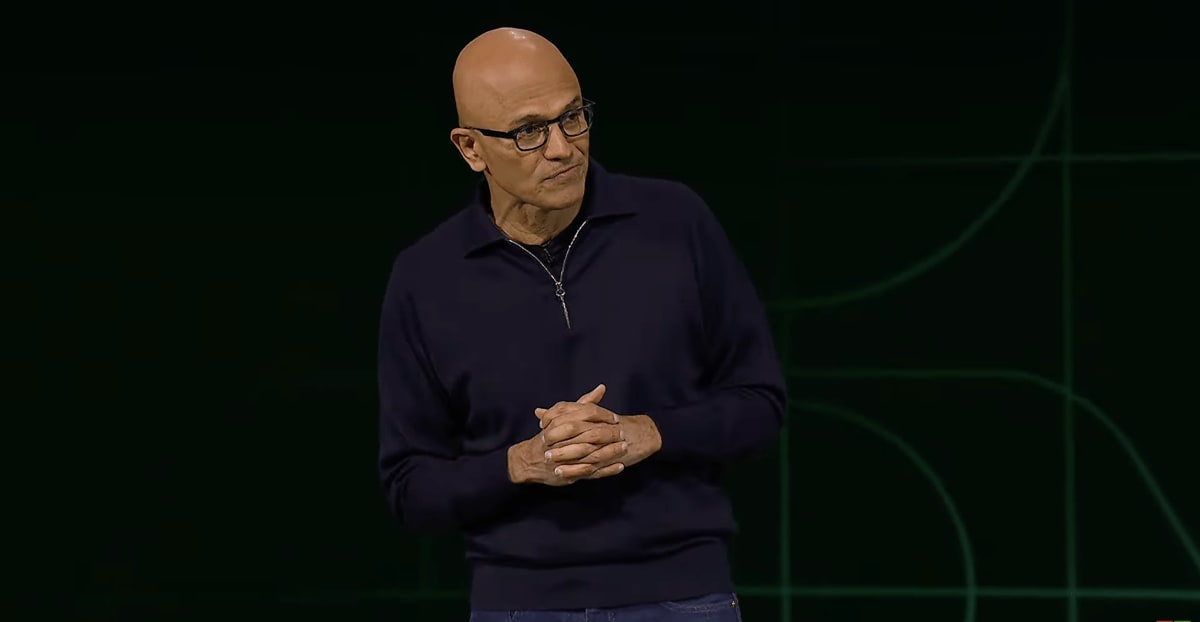
Microsoft CEO Satya Nadella has embraced the 'AGI-pilled' perspective, focusing on the profound economic and political shifts triggered by artificial general intelligence. While acknowledging its transformative power, he maintains a pragmatic stance against granting moral status or rights to AI models.
The Emergence of the AGI-Pilled Perspective
Microsoft CEO Satya Nadella’s recent declaration that he is "AGI-pilled" marks a significant shift in corporate discourse regarding the trajectory of artificial intelligence. Speaking at a roundtable following the Microsoft Ignite keynote in San Francisco, Nadella signaled that his focus has moved beyond incremental model improvements toward the systemic implications of Artificial General Intelligence (AGI). By framing his outlook through the lens of political economy, Nadella is effectively asking how global systems—ranging from labor markets to governance—must reorganize to accommodate a technology that could fundamentally alter human productivity.
Economic and Political Reorganization
The core of Nadella’s inquiry centers on the "political economy’s organization around AGI." This implies a recognition that AGI is not merely a technical milestone but a societal disruptor. As frontier models continue to scale in capability, the traditional structures of the global economy, which rely on human-centric labor and output, may face unprecedented volatility. Nadella’s concern suggests that leaders must now anticipate how wealth distribution, regulatory frameworks, and national competitive advantages will be redefined when AGI begins to perform tasks currently reserved for human intellect.
The Pragmatic Stance on Machine Consciousness
Despite his deep alignment with the potential of AGI, Nadella maintains a starkly pragmatic boundary when it comes to the nature of current frontier models. He explicitly rejected the notion that models like Anthropic’s Claude are conscious. This distinction is vital in the current AI debate, as it separates the utility and power of the technology from the philosophical temptation to anthropomorphize code. By dismissing the idea of machine consciousness, Nadella positions Microsoft as a company driven by practical application rather than the existentialist speculation that has permeated some corners of the AI research community.
Divergence in Corporate Philosophy
Nadella’s alignment with Mustafa Suleyman, the CEO of Microsoft AI, highlights a growing ideological rift in the tech industry regarding the treatment of AI. Suleyman has been vocal about his opposition to the idea that companies should grant rights to AI models or treat them as entities with moral status. This directly contrasts with the principles held by firms like Anthropic, which have integrated ethical considerations regarding model status into their core development philosophy. Nadella’s support for Suleyman’s position suggests that Microsoft intends to maintain a rigid wall between human stakeholders and the software tools they build.
Future Trends in AI Governance
Looking ahead, the industry is likely to see a hardening of these philosophical camps. As AGI moves from concept to reality, the debate over "moral status" will likely transition from academic theory into a legal and regulatory battleground. Companies that view AI as a purely instrumental tool—like Microsoft—will likely push for regulatory frameworks that emphasize safety and productivity without the baggage of corporate personhood for algorithms. Conversely, proponents of moral status for AI will continue to influence public perception and potential future legislation, creating a complex landscape for policymakers attempting to regulate an industry with fundamentally different views on the nature of its own creations.