EV batteries last longer than drivers feared
Source Entity
Kana Inagaki and Clara Murray in London
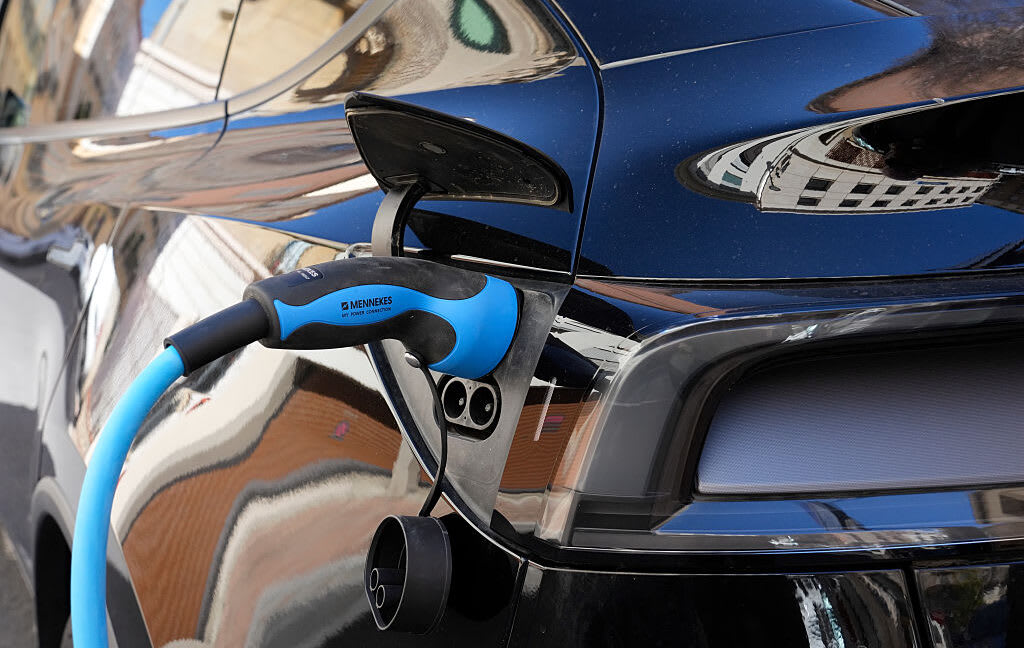
A new study by Aviloo reveals that electric vehicle batteries are significantly more durable than previously expected, retaining 90% capacity after 150,000 km. This finding addresses a primary barrier for potential EV adopters concerned about long-term battery degradation.
The Resilience of EV Battery Technology
Recent data provided by the Austrian battery diagnostic firm Aviloo offers a significant breakthrough in the public perception of electric vehicle (EV) longevity. The study reveals that, contrary to widespread anxiety regarding rapid degradation, most used electric vehicles maintain approximately 90 percent of their original battery capacity even after reaching the 150,000-kilometer milestone. This empirical evidence challenges the prevailing narrative that battery replacement is an imminent, costly necessity for second-hand EV buyers.
Addressing the 'Range Anxiety' Evolution
For years, the transition from internal combustion engines to electric powertrains has been hindered by persistent fears regarding battery health. While consumers have long been worried about the hidden costs of EV ownership, this study suggests that the technical reality of lithium-ion longevity is far more favorable than historical estimates. By maintaining 90% capacity, these vehicles remain highly functional, effectively narrowing the gap between the performance of new and used electric cars.
The Industry Standard vs. Real-World Performance
To understand the significance of these findings, one must look at current manufacturer protocols. Most automotive companies offer warranties covering eight years or 160,000 kilometers, with a mandate to replace the battery pack only if the state of health (SoH) drops below 70 percent. The fact that the median SoH is hovering around 90 percent at 150,000 kilometers indicates that the industry's conservative warranty thresholds are well-buffered, providing a substantial safety margin for owners.
Broader Economic and Environmental Implications
This durability has profound implications for the secondary automotive market. If batteries do not degrade as quickly as once feared, the residual value of used EVs will likely stabilize or increase, making them a more attractive investment. Furthermore, extending the functional life of a vehicle’s primary energy storage system reduces the overall environmental footprint of the transport sector, as it delays the demand for raw materials required for new battery production and reduces recycling pressure.
Future Trends in Battery Health
Moving forward, the normalization of high-capacity retention will likely accelerate EV adoption rates globally. As fuel prices remain volatile, the combination of lower operating costs and demonstrated battery longevity creates a compelling value proposition. We can expect future consumer behavior to shift away from 'battery anxiety' and toward more nuanced considerations, such as charging infrastructure and software-defined vehicle features, as the hardware itself proves increasingly reliable.