From mud homes to multifunctional spaces: Know-how changing lifestyles are reshaping Indian homes
Source Entity
Latest News: Todays Latest News Headlines from India & World | Hindustan Times | Hindustan Times
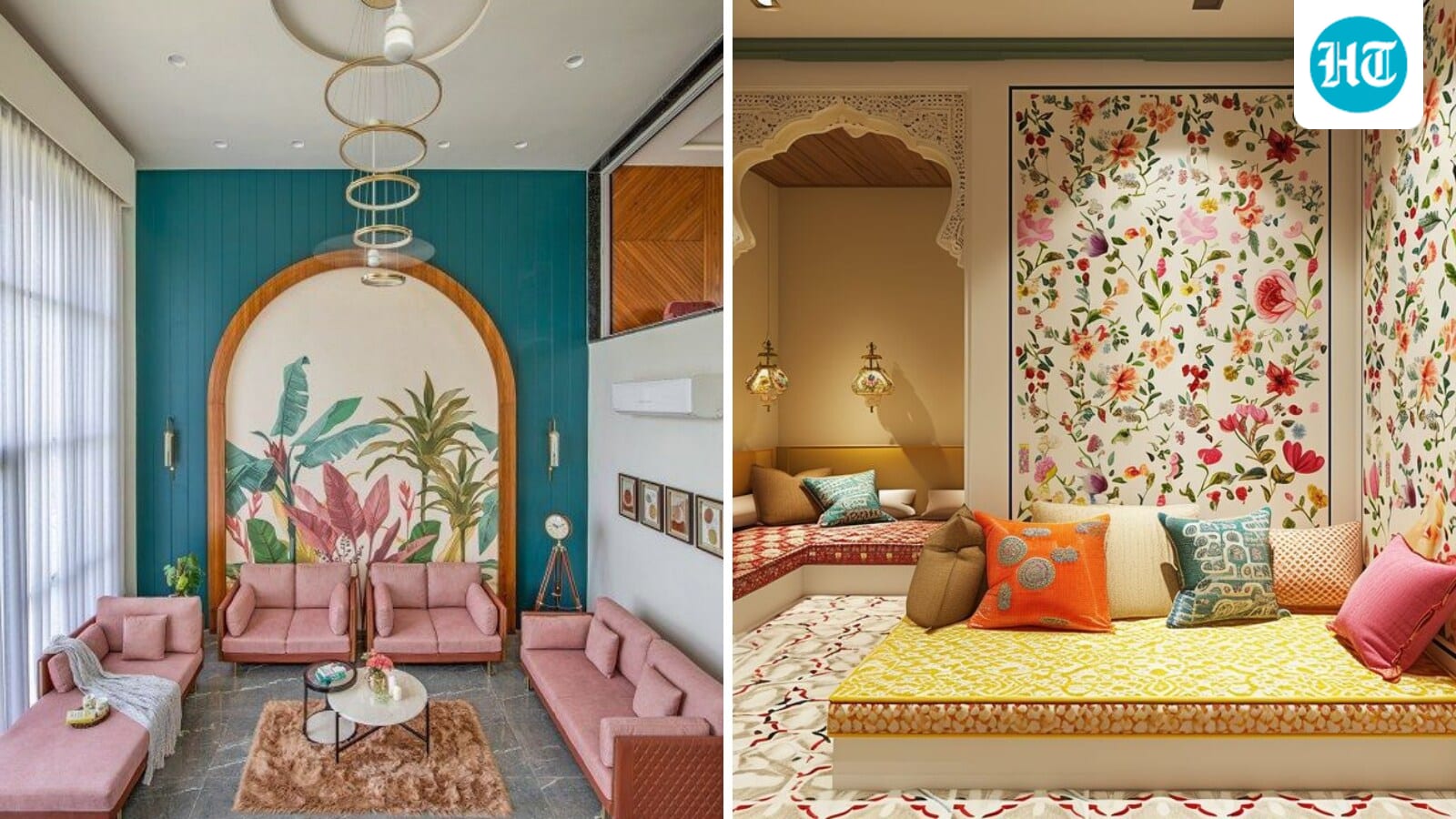
Indian home design is undergoing a significant transformation as spaces adapt to multifunctional needs like remote work and fitness. Modern construction is moving away from traditional materials toward versatile, durable solutions that suit contemporary metropolitan lifestyles.
The Evolution of the Indian Home: From Tradition to Versatility
For generations, the architectural identity of rural India was defined by the mud house—a structure deeply rooted in indigenous knowledge, offering thermal comfort and sustainable living. However, as India continues its rapid urbanization, the domestic landscape is shifting. Contemporary metropolitan construction is increasingly distancing itself from these traditional roots, driven by the practical constraints of limited urban land, the necessity for high-density multi-story developments, and the rigid requirements of modern building codes.
The Rise of Multifunctional Living
The most significant driver of this architectural shift is the changing nature of daily life. The modern Indian home is no longer merely a place of rest; it has evolved into a multifunctional hub. With the mainstreaming of remote work and the integration of wellness routines into home life, a single room must now seamlessly transition from a professional workspace during business hours to a fitness studio in the evening, and finally, a space for social entertainment. This requirement for versatility necessitates a departure from static, single-purpose room layouts.
Material Science and Modern Requirements
To meet these evolving demands, homeowners and architects are prioritizing materials that offer a triad of benefits: comfort, durability, and functionality. Unlike the porous and organic nature of mud-based construction, modern urban housing requires materials that can withstand the rigors of high-density living, provide acoustic insulation for home offices, and offer surfaces that are easy to maintain under heavy daily usage. This shift reflects a broader global trend of 'smart' interior design where every square foot is optimized for maximum utility.
Urbanization and Architectural Constraints
Urbanization in India has dictated a move toward vertical growth. As land values skyrocket in metropolitan centers, the footprint of the average home has become more compact, forcing a rethink of interior design. Architects are now employing modular furniture and open-floor plans to create an illusion of space while ensuring that the infrastructure—such as electrical load management for home offices and moisture-resistant flooring for home gyms—supports these new activities.
Future Trends in Residential Design
Looking ahead, the trajectory of Indian home design suggests a continued move toward 'hybrid' spaces. As the boundaries between professional and personal life remain blurred, we can expect an increase in the demand for smart home technology and adaptable interior systems. While the aesthetic of the mud house remains a nostalgic part of India's architectural heritage, the future of the Indian home is clearly defined by engineered efficiency, where the primary objective is to facilitate a high-functioning, multi-dimensional lifestyle within the confines of the modern city.
Verification Required?