Babita Singh Reporting and Gandhari have many similarities but differ in intent, execution
Source Entity
Saraswati Datar
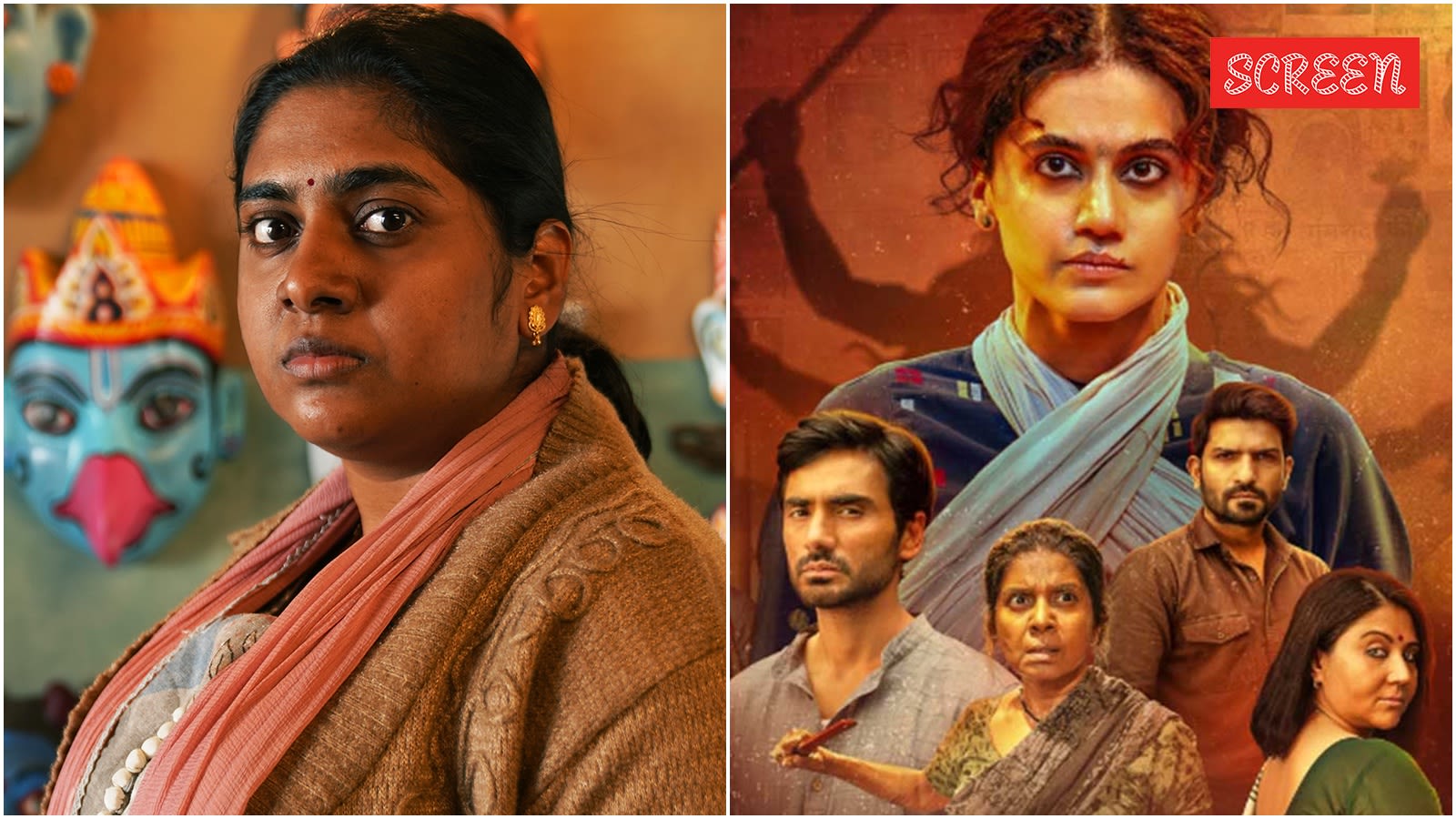
The narrative of the 'avenging woman' has become a staple in Indian cinema, drawing parallels between modern characters like Babita Singh and mythological figures. This trend reflects a societal shift toward themes of justice and agency in response to institutional shortcomings.
The Archetype of the Avenging Woman in Modern Indian Cinema
In contemporary Indian storytelling, particularly in the post-Kahaani era, a distinct archetype has emerged: the woman next door who, following a personal tragedy or an attack on a loved one, undergoes a radical transformation. Whether identified as Babita Singh or various other characters, these women move from a state of societal compliance to one of calculated, often ruthless, pursuit of justice. This narrative arc is not merely a plot device; it is a reflection of a growing disillusionment with the perceived lethargy of the police and judicial systems.
The Catalyst: Systemic Failure as a Narrative Engine
The driving force behind these narratives is almost universally rooted in the failure of the state to provide timely justice. When a 'regular' woman is forced to navigate a system that functions only half-heartedly, she is pushed to the margins of legality. By taking matters into her own hands, she transforms from a passive observer of societal rules into an active architect of her own retribution. This transition highlights a profound cultural anxiety regarding institutional efficacy in India.
Mythological Parallelisms: Durga and Kali
It is common for these characters to be framed through the lens of Hindu mythology, specifically drawing parallels to the goddesses Durga and Kali. By casting the protagonist as a warrior figure, creators elevate a personal vendetta to a moral crusade. This ennobling process serves to justify the character's often violent or manipulative methods—such as feigning helplessness to trick antagonists—framing them as necessary sacrifices in the name of a higher, divine justice.
The Gandhari Complex and Moral Ambiguity
While these characters are often compared to the mythological figure of Gandhari, the intent and execution differ significantly. Where Gandhari’s story is defined by endurance and blind loyalty, the modern 'avenging woman' is defined by action and subversion. The comparison often serves to contrast the traditional expectation of female suffering with the modern desire for female agency, showcasing a departure from passive endurance toward active, often vengeful, resolution.
Evolution of the Genre Post-'Kahaani'
The success of films like Kahaani proved that audiences are deeply invested in narratives where women leverage their 'seeming helplessness' as a tactical advantage. This trope has become a cornerstone of modern Indian thrillers, shifting the focus from the damsel in distress to the strategist who orchestrates her own victory. As these stories continue to proliferate, they reveal a cinematic landscape increasingly comfortable with exploring the blurred lines between victimhood and vigilante justice.
Conclusion: The Future of Female-Led Thrillers
Ultimately, the recurrence of this archetype suggests that the 'avenging woman' is not just a passing trend but a resonant cultural figure. By blending elements of traditional domesticity with the grit of a warrior, these stories provide a cathartic experience for viewers frustrated by real-world systemic delays. Moving forward, the industry will likely continue to refine this archetype, exploring the psychological costs of such extreme empowerment while maintaining the high-stakes drama that audiences currently find so compelling.