Growing reach of Hindi and regional languages
Source Entity
Latest News: Todays Latest News Headlines from India & World | Hindustan Times | Hindustan Times
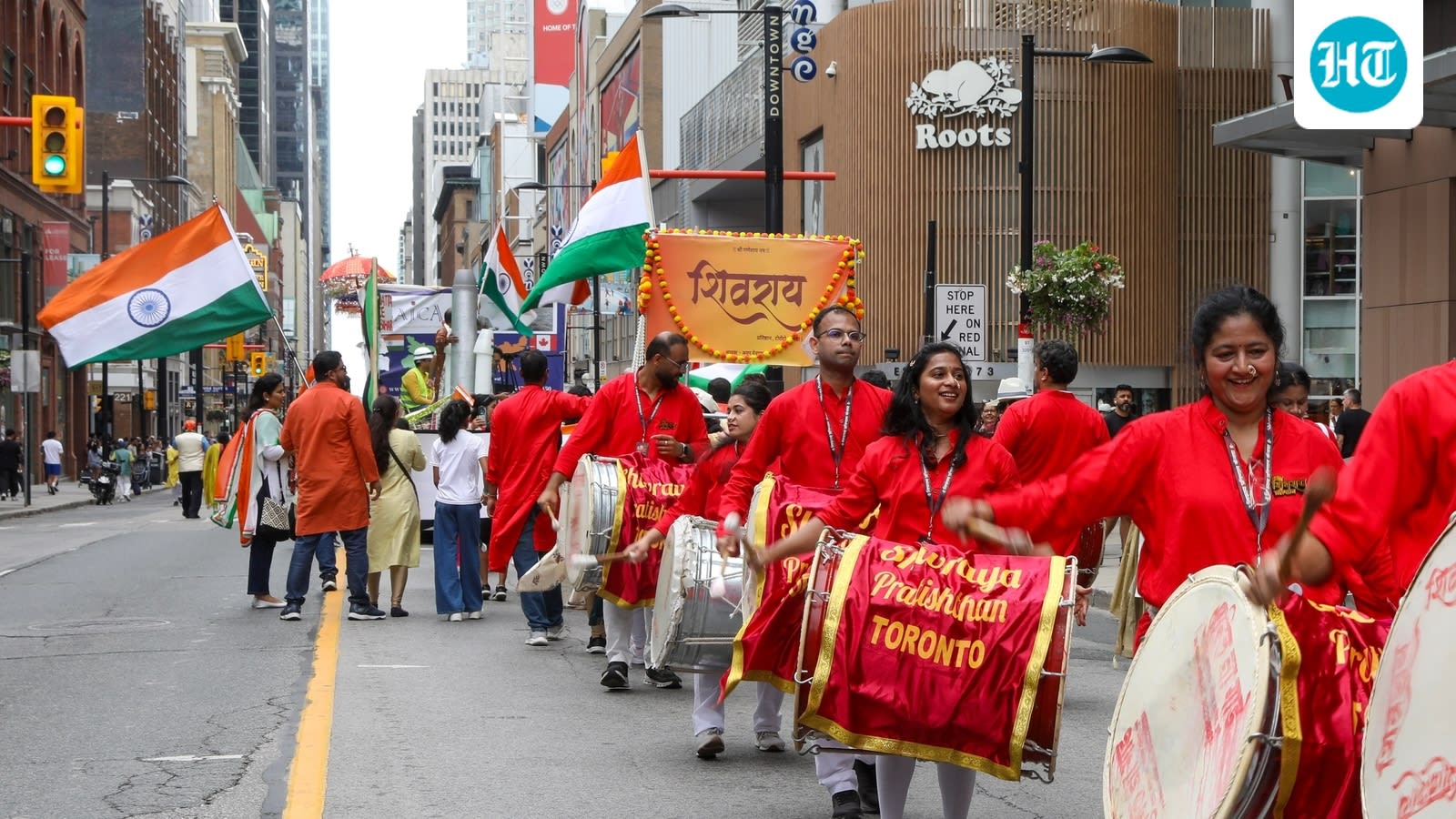
The evolving role of Hindi in Indian politics and culture reflects a shift from colonial-era standardizations to a more inclusive, regionally resonant identity. Experts argue for embracing the language's diverse historical roots to better reflect India's modern linguistic landscape.
The Evolving Political and Cultural Identity of Hindi
The discourse surrounding the Hindi language in India is currently undergoing a significant transformation, moving from a colonial-era construct of a 'fixed' linguistic entity toward a more fluid and inclusive appreciation of its diverse roots. Historically, modern Hindi has been standardized as Khari Boli, written in Devanagari script with a heavy reliance on Sanskrit-derived vocabulary. However, scholars argue that this narrow definition obscures a much richer, pluralistic past where linguistic repertoires shifted naturally based on social context, marketplace needs, and literary tradition.
The Historical Pivot and Colonial Influence
To understand the current state of Hindi, one must look at the pre-colonial era, where northern India functioned through a porous linguistic landscape. Literary and communicative texts historically traversed multiple scripts, including Kaithi, Gurmukhi, and Perso-Arabic. The colonial era significantly altered this fluidity, imposing rigid boundaries that redefined how citizens imagined their 'mother tongue.' By examining this history, contemporary debates on Hindi Diwas are pushing for a decolonization of the language, encouraging a return to the many voices that once defined the northern Indian linguistic experience.
Hindi as a Catalyst for Political Power
In the modern political arena, the significance of the 'Hindi belt' remains a cornerstone of national strategy. The perception that power in New Delhi is inextricably linked to influence in Uttar Pradesh is underscored by the state's historical contribution of seven Prime Ministers. This strategic importance is reflected in electoral choices; for instance, Prime Minister Narendra Modi’s decision to contest from Varanasi in 2014 highlights the enduring belief that the Hindi heartland is the primary gateway to national governance.
Linguistic Barriers and Political Leadership
Language has long served as a litmus test for political leadership in India. A notable historical example occurred following the death of Prime Minister Jawaharlal Nehru in 1964. When Congress Party president Kumaraswami Kamaraj was approached to lead the nation, he declined, citing his lack of proficiency in Hindi as a disqualifying factor for the premiership. This anecdote illustrates how Hindi was, and in many ways continues to be, perceived as a vital tool for national integration and political legitimacy.
Engaging the Future Generations
As India looks toward the future, the strategy for engaging younger demographics—specifically Gen Z and Gen Alpha—is increasingly centered on Hindi. Prime Minister Narendra Modi’s recent choice to address these cohorts in Hindi signifies an optimistic outlook on the language’s reach. By leveraging the language to communicate with the youth, the political establishment is signaling that Hindi is not merely a relic of the past or a bureaucratic tool, but a living, evolving medium capable of shaping the nation’s technological and cultural trajectory.
Conclusion: Toward a Pluralistic Future
Ultimately, the future of Hindi depends on balancing its role as a unifying national language with the need to embrace its regional and historical diversity. By moving away from a rigid, standardized identity and acknowledging the fluid, multi-script history of the region, Hindi can continue to grow as a vibrant, inclusive language that reflects the multifaceted identity of modern India.
Verification Required?