Trump’s RNC convention speech beaten by Jimmy Kimmel’s James Talarico interview in views; check numbers
Source Entity
Latest News: Todays Latest News Headlines from India & World | Hindustan Times | Hindustan Times
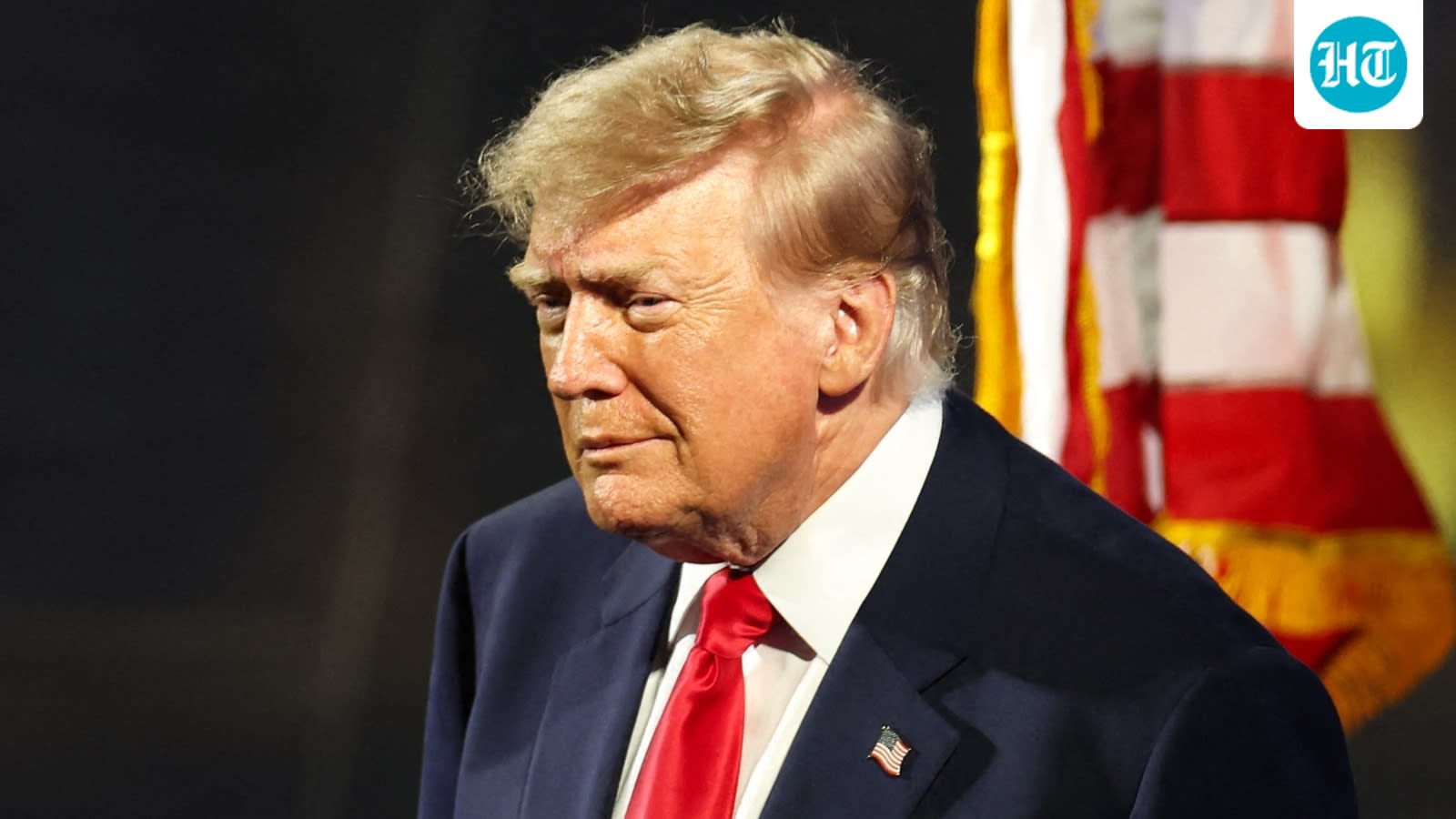
Jimmy Kimmel's YouTube interview with James Talarico has surpassed the viewership of Donald Trump's RNC convention speech. Nielsen data confirms Fox News led cable coverage with 2.5 million viewers, falling short of the viral reach achieved by the alternative digital broadcast.
The Shift in Media Consumption: Cable vs. Digital
The recent viewership metrics comparing Donald Trump’s Republican National Convention (RNC) address to Jimmy Kimmel’s interview with Democratic Senate candidate James Talarico highlight a significant evolution in American media consumption. While traditional cable networks, specifically Fox News, maintained a dominant position in the linear television landscape with 2.5 million viewers, the viral success of the Talarico interview on YouTube signals a pivot toward digital-first political engagement. This trend reflects a broader decline in cable news efficacy, where internet-based platforms are increasingly capable of capturing larger, more diverse audiences than legacy broadcast outlets.
Analyzing the Cable Landscape
According to Nielsen data and Reuters, Fox News was the primary venue for Trump’s two-hour RNC address, outperforming competitors like MSNBC (1 million viewers) and CNN (441,000 viewers). However, these numbers represent a fragmented audience. The reliance on a single major network to carry the full address underscores the challenges political campaigns face in maintaining broad-spectrum visibility on television. When viewed in the context of Trump's own claims—specifically his assertion that the event outperformed the NFL’s opening night—the data suggests a disconnect between political rhetoric and tangible audience reach.
The Digital Disruption of Political Discourse
Jimmy Kimmel’s interview with James Talarico serves as a case study in how digital platforms can bypass traditional gatekeepers. By moving the interview to YouTube—reportedly in response to alleged FCC threats—the production leveraged the accessibility of the internet to reach millions who may not have tuned into the convention. This strategy demonstrates that digital content, when coupled with high-profile personalities, can effectively compete with, and often exceed, the reach of major political events broadcast on cable.
Broader Implications for Campaign Strategy
This shift suggests that future political campaigns must prioritize digital distribution strategies to ensure maximum impact. The fact that an interview with a Senate candidate could eclipse the viewership of a high-stakes party convention indicates that audiences are increasingly seeking informal, personality-driven commentary over the structured, highly produced format of traditional party conventions. Candidates who fail to adapt to this digital-first reality risk being sidelined by platforms that offer greater reach and lower barriers to entry.
Historical Context and Future Trends
Historically, the RNC and DNC conventions were the undisputed pillars of American political communication, capturing captive audiences across all major networks. Today, those conventions are competing with a decentralized media ecosystem. As we look toward future election cycles, we can expect a continued migration of political content away from cable television. The 'viral' nature of the Talarico interview suggests that the future of political persuasion will be defined not by the platform with the most infrastructure, but by the platform with the most engagement and cultural relevance.
Verification Required?