Ex-constable sentenced to 10 years’ imprisonment in Apple executive’s killing
Source Entity
Latest News: Todays Latest News Headlines from India & World | Hindustan Times | Hindustan Times
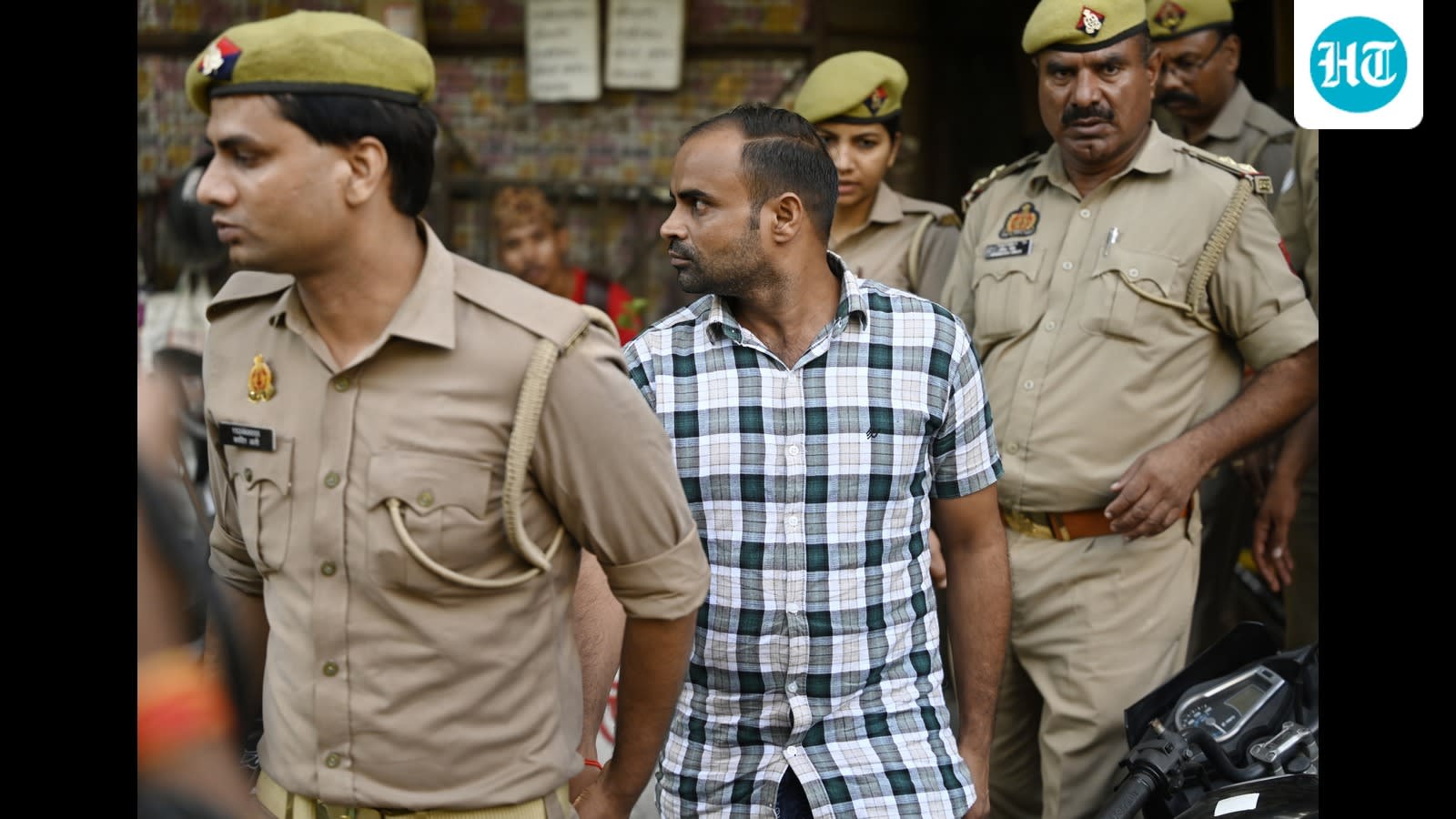
A Lucknow court has sentenced former constable Prashant Chaudhary to 10 years for the 2018 killing of Apple executive Vivek Tiwari. The judge convicted him of culpable homicide not amounting to murder, noting the act was committed with knowledge of potential lethality but without intent.
The Legal Verdict in the Vivek Tiwari Case
Nearly eight years after the tragic late-night shooting of Apple sales executive Vivek Tiwari in Lucknow, the district court has delivered its verdict. Former police constable Prashant Chaudhary has been sentenced to 10 years of imprisonment for culpable homicide not amounting to murder. This judicial conclusion follows a long-standing legal battle that began in 2018, marking a significant moment for accountability in law enforcement conduct.
Judicial Reasoning and Charges
District Judge Malkhan Singh determined that the act fell under Part-II of Section 304 of the Indian Penal Code (IPC). The court specifically noted that while Chaudhary did not harbor a direct intention to commit murder, he acted with the clear knowledge that his actions were likely to cause death. This distinction between 'intention' and 'knowledge' is a critical element of Indian criminal jurisprudence, defining the severity of the sentencing in high-profile cases involving state officials.
The Role of Detention and Sentencing
An important aspect of the court's ruling is the inclusion of the time already served. Prashant Chaudhary has been in custody since 2018, totaling approximately eight years behind bars. The court ordered that this period be set off against his 10-year sentence. Consequently, the former constable will serve an additional two years in prison before completing his term. Additionally, the court imposed a fine of ₹20,000, underscoring the gravity of the offense.
Acquittal of Co-accused
The legal proceedings also involved a second accused, Sandeep Kumar, who was present during the incident. On September 17, the court officially acquitted Kumar of all charges. This bifurcated outcome highlights the specific judicial focus on the individual actions of Chaudhary, emphasizing that the court found the direct physical act of firing the weapon to be the primary basis for the conviction, rather than a collective conspiracy.
Broader Implications for Law Enforcement
This case has served as a touchstone for public discourse regarding the conduct of police personnel during night patrols and the use of force. The sentencing of a law enforcement officer for the death of a civilian underscores the judiciary's role in maintaining checks and balances. By holding an officer accountable for an act performed under the guise of duty but outside the bounds of lawful engagement, the court reaffirms the principle that state power must be exercised with extreme caution and legal precision.
Conclusion
As this chapter closes, the case of Vivek Tiwari remains a somber reminder of the responsibilities inherent in police service. The sentencing of Prashant Chaudhary provides a measure of closure for the victim’s family and serves as a legal precedent for cases involving the misuse of authority. Moving forward, the focus remains on the systemic training and protocols governing police interactions with the public, ensuring that such tragic lapses in judgment are minimized in the future.
Verification Required?