Ex-Southern Water boss among four charged over alleged plan to manipulate water quality tests
Source Entity
BBC News
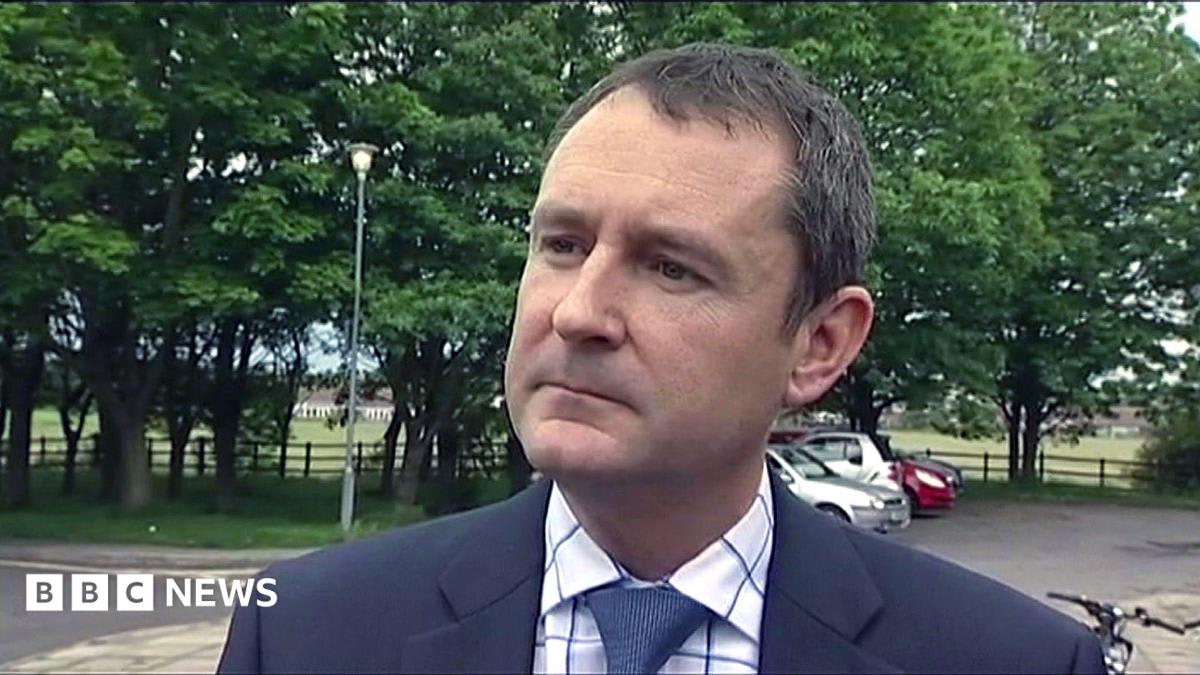
Former Southern Water CEO Matthew Wright and three former colleagues have been charged with conspiracy to defraud regulators. The charges allege manipulation of water quality tests to avoid significant financial penalties between 2012 and 2017.
The Southern Water Scandal: An Analysis of Corporate Governance Failure
Recent legal developments have brought to light a significant case of alleged corporate misconduct within the UK utility sector. Matthew Wright, the former chief executive of Southern Water, has been formally charged alongside three other former employees—Philip Barker, Clive Massey, and Mark Gregory—over allegations of conspiring to defraud the Environment Agency (EA) and the water regulator, Ofwat. The core of the allegation is that between 2012 and 2017, the company intentionally manipulated water quality test data to circumvent financial penalties that could have amounted to millions of pounds.
The Nature of the Alleged Fraud
The charges center on the systematic falsification of performance data. By allegedly skewing the results of water quality tests, the accused parties are said to have protected Southern Water from regulatory repercussions. In the utility industry, such penalties are designed to ensure companies prioritize environmental standards and public health over short-term financial gains. If proven, the manipulation represents a severe breach of the 'polluter pays' principle, which is fundamental to the environmental regulation of essential public services.
Regulatory Oversight and Legal Hurdles
The legal journey to this point has been protracted. The Environment Agency sought a summons against the four individuals, a move that was challenged by Matthew Wright. The dismissal of this legal challenge by two senior judges on Wednesday marks a pivotal shift, allowing the prosecution to proceed. While Wright’s legal representative has stated that his client denies all wrongdoing and has cooperated with the investigation, the court’s decision underscores the judiciary's commitment to holding executive leadership accountable for corporate actions.
Broader Implications for the Utility Sector
This case serves as a cautionary tale regarding corporate governance in privatized utility sectors. The potential for financial incentives to override regulatory compliance is a systemic risk that regulators like Ofwat must constantly monitor. The fact that these allegations span a five-year period suggests a deeply embedded culture of non-compliance. Future trends in the sector likely include more aggressive auditing, increased transparency requirements for environmental reporting, and a shift toward personal accountability for executive-level decisions that impact public welfare.
Environmental and Public Trust Impact
Beyond the financial implications, the alleged manipulation of water quality tests strikes at the heart of public trust. Water companies are custodians of critical national infrastructure, and any perceived lack of integrity in their operations can lead to widespread public skepticism. As the case moves forward, the scrutiny will likely intensify, forcing a broader conversation about how the UK oversees its utility providers and whether current penalty mechanisms are sufficiently robust to deter such high-level corporate fraud.
Conclusion
As the case against Matthew Wright and his former colleagues progresses, it remains a defining moment for corporate accountability in the UK. The resolution of these charges will not only determine the legal fate of the individuals involved but will also likely inform future legislative efforts to tighten the oversight of utility companies. The integrity of environmental monitoring is non-negotiable, and this case highlights the severe consequences when that integrity is compromised for corporate profit.