Former Trinamool MLA Nirmal Ghosh mobbed outside police station
Source Entity
India Latest News: Top National Headlines Today & Breaking News | The Hindu
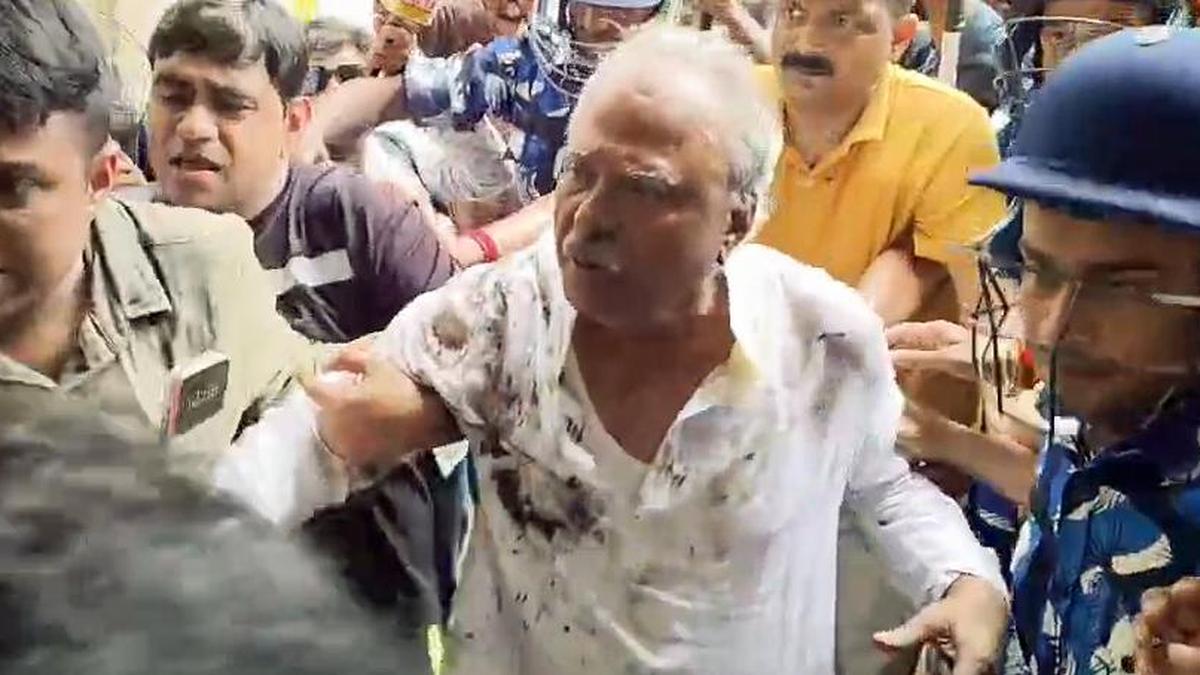
Former TMC MLA Nirmal Ghosh and co-accused Sanjeev Mukherjee were arrested for allegedly rushing the cremation of the RG Kar rape-murder victim. Following his arrest, Ghosh faced violent public backlash, including being pelted with eggs and muck by protesters.
The Arrest and Public Outcry in the RG Kar Case
The ongoing investigation into the RG Kar hospital rape-murder case has reached a significant inflection point with the arrest of former Trinamool Congress (TMC) MLA Nirmal Ghosh and his co-accused, Sanjeev Mukherjee. Mukherjee was taken into custody from a residence in Chinar Park, Kolkata, while Ghosh was apprehended in Odisha. These arrests center on allegations that the individuals used their political influence to force a hurried cremation of the victim's body, an act that has sparked immense public outrage and allegations of obstruction of justice.
Escalation of Public Anger
The public reaction to the arrest of Nirmal Ghosh highlights the deep-seated resentment surrounding the handling of the RG Kar tragedy. As Ghosh was being escorted from the Khardah Police Station toward a prison van, he was swarmed by a hostile crowd. Despite the presence of a heavy security contingent and the Rapid Action Force, the mob managed to breach the cordon, pelting the former MLA with eggs, muck, and footwear. The severity of the situation necessitated that police place a helmet on Ghosh to shield him from physical harm during the transit.
Judicial Proceedings and Continued Hostility
The volatility surrounding the case continued as Ghosh was transported to the Barrackpore sub-divisional court. Even outside the judicial premises, the former legislator faced significant public vitriol, with crowds chanting "chor, chor" (thief, thief) as he was moved into the court lock-up. This visible display of public anger underscores the intense scrutiny placed upon local political figures who are suspected of interfering with the evidentiary integrity of the high-profile rape-murder investigation.
Implications for Institutional Accountability
The "hurried cremation" allegation serves as a focal point for broader concerns regarding administrative transparency and the influence of political actors in sensitive criminal cases. By allegedly bypassing the wishes of the victim's family and potentially compromising the forensic timeline, the actions of these individuals have become a symbol of perceived institutional failure. The arrests suggest that law enforcement is now actively pursuing those accused of procedural obstruction, marking a shift in the investigative trajectory.
Future Trends and Judicial Challenges
As the legal process unfolds, the focus will likely remain on whether these arrests lead to a broader revelation of how the cremation was authorized and by whom. The intensity of the public protests indicates that the judiciary and law enforcement will face continued pressure to ensure a transparent trial. Furthermore, the physical assault on a former MLA by a mob serves as a warning of the social volatility that persists, as citizens demand accountability for the perceived mishandling of a case that has deeply shaken the state of West Bengal.
Conclusion
The arrest of Nirmal Ghosh and Sanjeev Mukherjee marks a critical development in the RG Kar investigation. As the judicial process continues, the case remains a litmus test for the rule of law and the ability of the state to manage both the criminal proceedings and the resulting public anger. The intersection of political accountability and forensic integrity will remain the defining feature of this case as it moves through the court system.
Multiple Citing Sources
Verification Required?