Exxon (XOM) Eyes a Return to Venezuela After Nearly Two Decades Away
Source Entity
Yahoo Finance
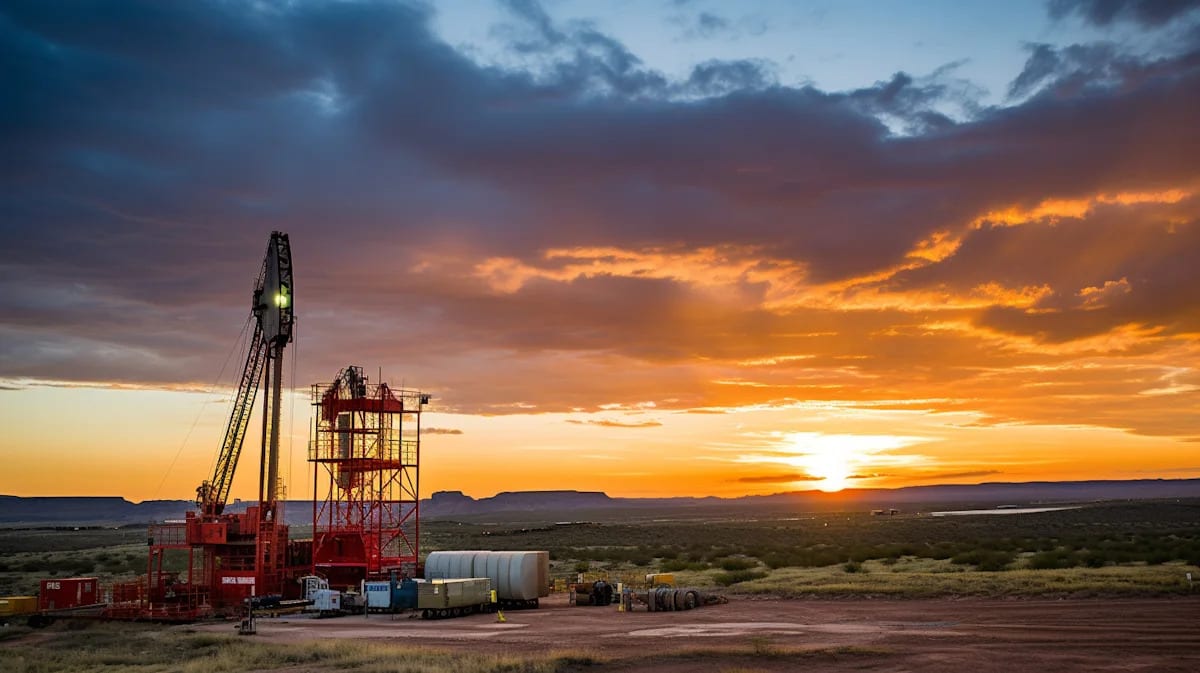
ExxonMobil is in preliminary talks to return to Venezuela's oil sector nearly two decades after its assets were nationalized. This potential move marks a significant strategic pivot for the energy giant despite previous concerns regarding the country's legal and investment environment.
The Potential Return of ExxonMobil to Venezuela
A Strategic Re-evaluation of the Orinoco Belt
Recent reports indicate that ExxonMobil is engaged in preliminary discussions with Venezuela’s state-owned oil entity, PDVSA, concerning a potential reentry into the nation's energy sector. This development is particularly significant given that ExxonMobil departed Venezuela nearly two decades ago following the sweeping nationalization of its assets. The focus of these discussions reportedly centers on the Petromonagas heavy oil project in the Orinoco Belt, as well as prospects within the neighboring Carabobo block, signaling a potential shift in the company's international asset portfolio strategy.
Overcoming a Legacy of Nationalization
The history between ExxonMobil and Venezuela has been fraught with legal and political tension. The initial exit was triggered by the government's decision to seize foreign-owned oil assets, leading to years of international arbitration and strained relations. The fact that the company is even considering a return suggests a complex recalculation of risk versus reward, driven by the immense hydrocarbon potential of the Orinoco Belt, which remains one of the largest proven oil reserves in the world.
The Challenge of 'Uninvestable' Markets
This potential rapprochement stands in stark contrast to the stance maintained by ExxonMobil’s leadership as recently as January. CEO Darren Woods had previously characterized the Venezuelan business environment as "uninvestable," citing a critical lack of durable investment protections, the need for comprehensive legal reforms, and the necessity of structural changes to the country's hydrocarbon laws. These preconditions were framed as essential safeguards against the type of arbitrary state intervention that defined the mid-2000s.
Navigating Geopolitical and Legal Hurdles
While the current talks are preliminary, they highlight the broader challenges multinational corporations face when operating in resource-rich nations with unstable regulatory frameworks. The transition from labeling a country "uninvestable" to entering formal negotiations suggests either a shift in the company's risk tolerance or an indication that the Venezuelan government may be signaling a willingness to provide the legal guarantees that ExxonMobil has long demanded.
Future Implications for Global Energy
Should these talks culminate in a finalized agreement, it would represent a landmark shift in the global energy landscape. A return of a major Western supermajor like ExxonMobil could catalyze further foreign investment in Venezuela, potentially stabilizing the nation's production levels. However, given the fragile nature of these preliminary negotiations, analysts remain cautious; the deal could still falter due to the same systemic issues—legal uncertainty and political instability—that necessitated the original exit in the first place.
Concluding Outlook
The potential return of ExxonMobil to Venezuela is a high-stakes development that balances the allure of vast crude resources against the weight of historical precedent. Whether this marks the beginning of a new era of cooperation or remains a failed diplomatic overture depends heavily on the extent of the structural reforms Caracas is willing to implement to satisfy international investors.