'Runaway Board': Abhishek Singhvi Backs Tata Trusts' 'Shareholder Primacy'
Source Entity
NDTV News Search Records Found 1000
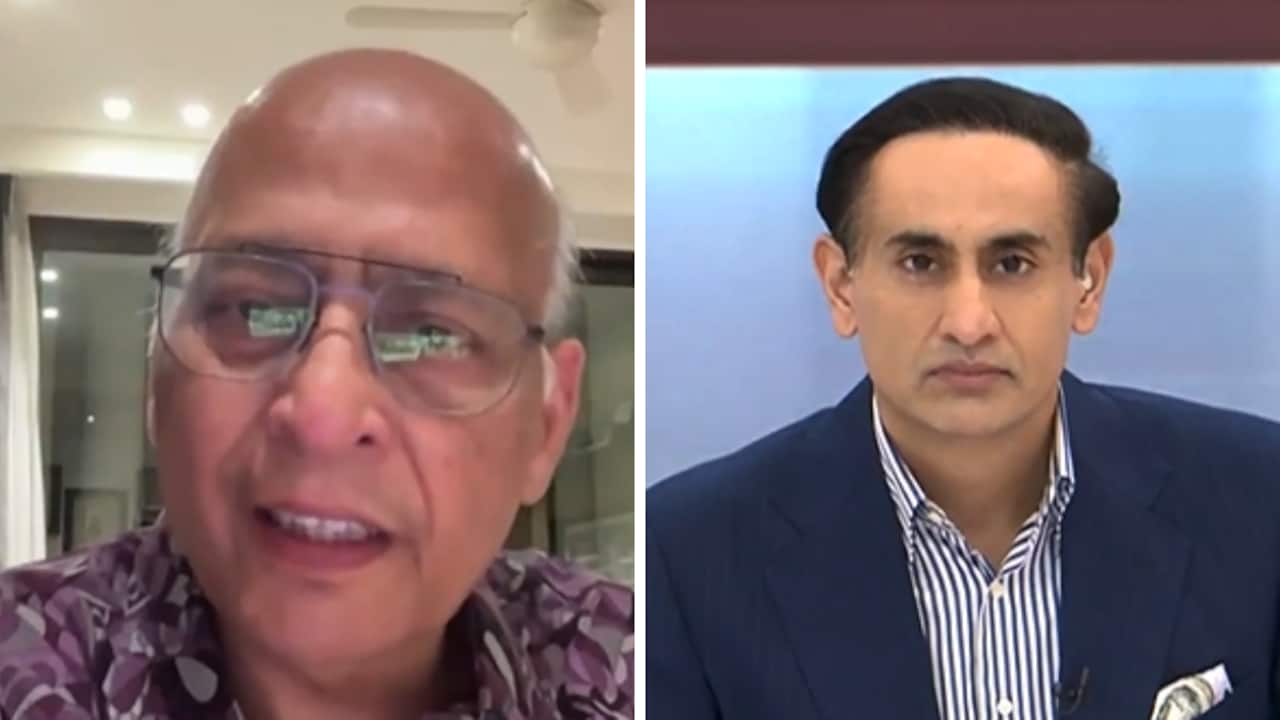
Tata Trusts has declared the reappointment of N. Chandrasekaran as Tata Sons Chairman void, citing a violation of the Articles of Association. Legal experts argue that the board cannot override the mandate of the majority shareholder.
Governance Crisis at the Tata Group
The recent declaration by Tata Trusts, the majority shareholder of Tata Sons, that the reappointment of N. Chandrasekaran is 'void ab initio' marks a significant escalation in corporate governance friction within one of India's largest conglomerates. By asserting that the board’s decision lacks legal standing, the Trusts have brought the internal structural mechanics of the salt-to-software giant into public scrutiny. At the heart of this dispute is the fundamental question of whether a board of directors can bypass the specific procedural mandates set forth in a company's Articles of Association (AoA).
The Legal Impasse of the 'Casting Vote'
The core of the conflict lies in the interpretation of voting rights. Tata Trusts argues that the affirmative support of their Nominee Directors—a requirement under the AoA—was not secured, rendering the board's subsequent actions invalid. The Trusts have explicitly rejected the validity of the Chairman’s casting vote in this context, stating that such a mechanism is reserved for scenarios of tied votes at the overall board level and cannot be used to circumvent the specific consent requirements regarding their own nominees. This distinction is critical, as it challenges the board’s perceived autonomy in decision-making.
Shareholder Primacy vs. Board Autonomy
Legal expert Abhishek Manu Singhvi has weighed in on the matter, characterizing the current board as a 'runaway board' that is attempting to act independently of the entity holding a 66 percent stake in the conglomerate. This debate touches upon the principle of shareholder primacy, which posits that a board of directors must operate within the constraints established by the majority owners. By ignoring the mandated affirmative support, the board has arguably breached the governance framework intended to balance executive power with ownership oversight.
Implications of 'Void Ab Initio'
The use of the term 'void ab initio'—meaning invalid from the outset—suggests that Tata Trusts views the board's decision not merely as a procedural error, but as a fundamental breach of corporate law. If the resolution is found to be void, it carries profound implications for the legitimacy of all subsequent actions taken by the Chairman. This creates a state of corporate instability, potentially affecting investor confidence and requiring immediate judicial or regulatory clarification to resolve the deadlock.
Future Trends and Corporate Governance
This dispute serves as a case study for the evolving nature of governance in Indian corporate conglomerates. As institutional investors and major stakeholders become more assertive, the traditional deference shown to boards may diminish. Future trends will likely see a stricter adherence to AoA provisions and a move toward more transparent voting protocols to avoid such high-stakes confrontations. The resolution of this specific impasse will likely set a precedent for how 'nominee director' clauses are interpreted in the future, potentially forcing a restructuring of board-shareholder communication channels across the industry.
Conclusion
In summary, the challenge issued by Tata Trusts is a rigorous defense of their rights as the majority shareholder. By highlighting the failure to meet the 'affirmative support' condition, they have effectively paralyzed the reappointment process of N. Chandrasekaran. Whether this leads to a formal restructuring of the board or a protracted legal battle remains to be seen, but the event underscores the necessity for boards to operate strictly within the bounds of their founding documents to maintain legal and corporate integrity.
Multiple Citing Sources
Verification Required?